Introduction
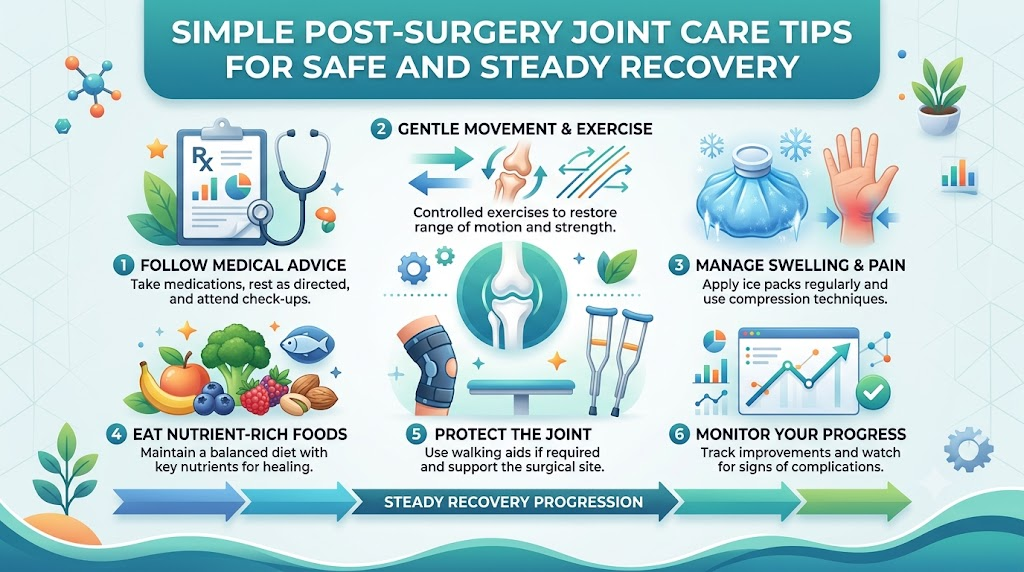
Joint surgery is only one part of recovery. The healing period also needs careful daily care. Post-surgery joint care helps protect healing tissues. It can also support safe movement and daily comfort.Care may include wound care and safe movement. It may also include rest, food, and physiotherapy. Follow-up visits are also an important part of recovery. Each person may have different recovery needs.The surgery type can affect the care plan. The joint treated can also affect daily limits. Your healing progress also matters during recovery. BestOrthoHospitals.com shares useful orthopedic health information for patients. Visit BestOrthoHospitals for more orthopedic information.
What Is Post-Surgery Joint Care?
Post-surgery joint care means caring for your body after surgery. It supports healing during the recovery period. It also helps protect the treated joint and nearby tissues.The main goals include safe movement and better function. Care can also support strength and daily activities. Different surgeries need different care plans.Knee, hip, shoulder, and ankle surgery can differ. Joint replacement recovery can also vary between patients. So, one care plan cannot suit everyone.
Why Joint Care Matters After Surgery
Recovery needs time, patience, and regular care. Some people may have pain after surgery. Others may notice swelling, stiffness, or weakness.Tiredness can also happen during recovery. These changes may not stay the same each day. Some symptoms may improve as healing continues.Too much activity can stress healing tissues. Too little movement can also affect strength. Good joint care after surgery helps maintain a safe balance.
Follow Your Surgeon’s Instructions
Your surgeon’s instructions should always come first. General online advice cannot replace personal medical advice.Your surgeon may set weight-bearing limits. You may also have movement or activity limits. Walking aids may be needed during recovery.Follow all wound care instructions from your team. Keep all planned follow-up visits. Also follow your physiotherapy instructions carefully.Do not change your recovery plan on your own. Ask questions when any instruction seems unclear. This supports safer orthopedic postoperative care.
Wound and Incision Care
A surgical wound needs careful attention while healing. Your healthcare team will explain the needed care.Follow their instructions about wound protection and dressings. Watch for changes that seem unusual or new. These changes may include increasing redness or drainage.Worsening pain can also need medical attention. Keep your follow-up visits as advised. Do not use home remedies on the wound without medical advice.Good incision care is part of joint surgery aftercare. It can help your team notice changes early.
Managing Pain and Swelling
Some pain and swelling can happen after surgery. Your medical team can create a personal pain plan.Rest may support comfort during recovery. Safe positioning may also be advised by your team. Cold therapy may suit some patients when approved.Use medicines only as prescribed by your healthcare team. Do not change or stop medicines yourself. Ask questions if your pain plan causes concerns.Swelling can change as activity levels change. New or worsening symptoms should be reported. This is an important part of postoperative joint care.
Safe Movement After Joint Surgery
Movement may be an important part of recovery. However, movement must stay within safe limits.Too much activity can stress healing tissues. Too little movement can add to stiffness and weakness. Safe movement means staying within your care team’s limits.Your surgeon or physiotherapist can guide your movement. Their advice should match your specific procedure.Do not copy exercises from online videos. A routine for one patient may not suit another. Safe joint surgery rehabilitation should remain personal.
Walking After Joint Surgery
Walking may be part of recovery for many patients. However, walking progress can differ between procedures.Some patients may need a walker or crutches. Others may later use a cane. Use walking aids only as advised.Move slowly on safe and clear surfaces. Keep your walking path free from loose items. Follow all weight-bearing limits from your care team.Do not compare your walking progress with others. Your joint recovery should follow your own care plan.
Role of Physiotherapy
Physiotherapy helps people rebuild movement and strength. It can be an important part of joint rehabilitation.A physiotherapist may work on movement and balance. They may also help with walking and daily tasks. Muscle strength and joint flexibility may also receive attention.Every rehabilitation plan should match the patient. It should also match the surgery and healing stage.BestOrthoHospitals.com also shares information about guided rehabilitation. It explains why procedure-specific care can matter.
Managing Joint Stiffness
Joint stiffness can happen after orthopedic surgery. Reduced movement may play a role during recovery. Healing tissues may also affect joint movement.Guided movement can support safe recovery. Physiotherapy may also help improve movement over time. Regular follow-up helps the team check progress.Do not force a stiff joint. Do not copy another person’s stretching routine. Patience is an important part of joint recovery tips.Your healthcare team can explain suitable movement limits. Follow those limits during your recovery.
Rest and Sleep During Recovery
Rest gives your body time to heal. Good sleep can also support general health.Take breaks when you feel tired. Avoid doing too much in one period. Keep your recovery space comfortable and easy to use.Sleep may become harder after surgery. Pain or changes in routine may affect sleep. Ongoing sleep problems should be discussed with your care team.A steady daily routine can also help. Rest should work alongside safe movement and rehabilitation.
Nutrition and Hydration
Good nutrition supports general recovery after surgery. Try to eat a varied and balanced diet.Protein-rich foods can be part of healthy meals. Fruits and vegetables provide useful nutrients. Whole grains can also support balanced eating.Adequate fluids are important for general health. Some patients may have special food needs. Follow any diet advice from your healthcare team.Do not use supplements as a replacement for food. Ask your care team about special nutrition needs.
Preventing Falls at Home
Fall prevention is important after joint surgery. Pain or weakness may affect balance. Walking aids may also change how you move.Keep walkways clear around your home. Use good lighting in important areas. Remove loose rugs that may cause trips.Keep useful items within easy reach. Use prescribed walking aids as advised. Ask for help when you feel unsafe.Simple home safety supports orthopedic recovery tips. It can also help reduce avoidable falls.
Returning to Daily Activities
Daily activities often return at different stages. Recovery depends on the surgery and personal healing.Activities may include bathing and dressing. Cooking, walking, and household tasks may also change. Work and driving may need special planning.Do not use another person’s recovery as your timeline. Your healthcare team can explain activity limits.Medical clearance may be needed for some activities. A gradual return can support safer care after joint surgery.
Exercise After Joint Surgery
Exercise and rehabilitation are not always the same. Rehabilitation follows the needs of your specific surgery.Your surgeon or physiotherapist should guide exercises. They can choose activities for your recovery stage. They can also adjust them as healing changes.Online exercise videos may not suit every patient. Avoid copying routines without medical guidance.Safe rehabilitation should focus on your own needs. This is a key part of orthopedic surgery recovery.
Follow-Up Appointments
Follow-up visits help your healthcare team check recovery. They may check wound healing, pain, and joint movement.They may also check strength and walking. Your rehabilitation plan may change during these visits.Some surgeries may need imaging during follow-up. Your healthcare team decides when imaging is needed. They can also explain the results clearly.Do not skip planned appointments without medical advice. Follow-up care is important for joint replacement recovery.
Emotional Health During Recovery
Recovery can affect emotions as well as the body. Some patients may feel worried or frustrated.Others may feel tired or impatient. Recovery may not feel the same every day. This can make the process feel harder.Talk with your healthcare team when concerns continue. Family support can also help during recovery.Simple encouragement can make daily tasks feel easier. Emotional support is also part of healthy recovery.
Common Post-Surgery Joint Care Mistakes
Some mistakes can affect safe recovery. Doing too much too soon is one example.Ignoring movement limits can also cause problems. Skipping physiotherapy may affect planned rehabilitation. Missing follow-up visits can reduce needed support.Using random online exercises can also be unsafe. Walking without prescribed support may increase fall risk. Comparing recovery with another person can create stress.Good post surgery joint care tips should focus on personal guidance. Every surgery and patient can have different needs.
Warning Signs After Joint Surgery
Some symptoms need prompt medical assessment. Contact your healthcare team when symptoms become new or worse.Warning signs can include severe or increasing pain. Major swelling or new redness may also need attention. Wound drainage should also be reported.Fever, chills, new numbness, or new weakness can matter. Sudden loss of movement also needs medical attention.New calf pain or swelling should not be ignored. Sudden breathing problems or chest pain need emergency medical attention.These symptoms can have different causes. A healthcare professional should assess concerning changes.
When to Contact the Orthopedic Team
Contact your orthopedic team when symptoms change. This matters more when symptoms become severe or worse.Ask about wound changes, pain, or swelling. You can also discuss movement and walking concerns.Medication problems should also be reported. Tell your team about physiotherapy concerns. Do not change treatment on your own.Your orthopedic surgeon and physiotherapist can guide your care. Their advice should remain central during recovery.
How to Support a Family Member After Surgery
Family members can provide useful daily support. They can help keep the home safe and clear.They may help with appointments and simple daily tasks. They can also provide emotional support during recovery.Family members should not replace medical professionals. They should follow the patient’s care team’s advice.They can also notice changes in daily function. If something seems wrong, encourage medical contact.
Simple Recovery Comparison
| Recovery Area | Main Goal | Important Reminder |
|---|---|---|
| Wound care | Support healing | Follow the care team’s instructions |
| Movement | Restore safe function | Stay within prescribed limits |
| Physiotherapy | Build strength and mobility | Follow the personal program |
| Rest | Support recovery | Avoid overactivity |
| Follow-up | Check healing progress | Attend scheduled visits |
Choosing an Orthopedic Hospital for Follow-Up Care
Good follow-up care can support the recovery process. Patients can consider several factors when choosing care.Look for access to orthopedic specialists and physiotherapy. Rehabilitation support may also be useful. Diagnostic facilities can support some follow-up needs.Clear communication is also important. Patients should understand their care plan and visits.Emergency support may also matter for some patients. BestOrthoHospitals.com can help readers explore orthopedic care information.The goal is not to find one hospital for everyone. Patients can compare services based on their own needs.
How BestOrthoHospitals.com Can Help
BestOrthoHospitals.com provides orthopedic health information for readers. Patients can learn about joint procedures and recovery.The site also covers rehabilitation and postoperative care. Readers can explore information about orthopedic specialists and hospitals.This information can help patients prepare questions. Those questions can support better conversations with doctors.The site also discusses joint movement and physiotherapy. It covers rehabilitation and orthopedic follow-up topics.This content is meant for general education. It does not replace advice from your healthcare team.
Practical Educational Example
Educational example: A patient has joint surgery and returns home. They follow their surgeon’s movement limits and attend physiotherapy.They also keep planned follow-up visits. When new symptoms appear, they contact their care team.This example shows the value of steady aftercare. It does not represent every patient’s recovery.
Frequently Asked Questions
1. What is post-surgery joint care?
Post-surgery joint care means caring for your body after surgery. It includes safe movement, wound care, rest, and follow-up.
2. Why is physiotherapy important after joint surgery?
Physiotherapy helps rebuild movement and strength. The plan should match your surgery and recovery needs.
3. Can I move my joint after surgery?
Movement may be part of recovery. Always follow the movement limits given by your care team.
4. How can I prevent falls after joint surgery?
Keep walkways clear and use good lighting. Use walking aids as advised by your healthcare team.
5. Why are follow-up visits important after surgery?
Follow-up visits help check healing and recovery progress. They also allow care plans to change when needed.
6. What should I do about swelling after joint surgery?
Some swelling can happen after surgery. Follow your care team’s advice and report worsening swelling.
7. When should I contact my orthopedic team?
Contact your team when symptoms are new or worsening. Also report concerns about wounds, pain, swelling, or movement.
8. Can I exercise after joint surgery?
Exercise may become part of rehabilitation. Follow exercises given by your surgeon or physiotherapist.
9. How can family members support joint surgery recovery?
Family can help with safe movement and daily tasks. They can also support appointments and home safety.
10. How can BestOrthoHospitals.com help with orthopedic recovery information?
BestOrthoHospitals.com offers orthopedic health information. It can help readers learn about procedures, rehabilitation, and follow-up care.
Final Thoughts
Surgery is only one part of joint recovery. Good aftercare can support safe healing and daily function.Follow your surgeon and physiotherapist’s instructions closely. Focus on safe movement, wound care, rest, and nutrition.Follow-up visits also remain important during recovery. Fall prevention can help make home recovery safer.Recovery differs between patients and procedures. Avoid comparing your progress with another person.BestOrthoHospitals.com can help you learn about orthopedic recovery. Use trusted information to prepare better questions for your care team.