Introduction
The shoulder joint is one of the most flexible and dynamic structural mechanisms within the human body. From lifting objects and reaching overhead to driving, swimming, and executing precise athletic movements, shoulder mobility plays a fundamental role in everyday activities. Unlike stable, deep-seated joints, the shoulder relies heavily on an intricate network of muscles and soft tissues to maintain balance. This high degree of mobility makes the shoulder uniquely versatile, but also leaves it highly susceptible to injury and functional wear over time.
Seeking an early, accurate diagnosis change the path of recovery. Identifying structural issues before they cause significant tissue damage allows patients to access gentle, conservative treatment options rather than complex surgical choices. This educational guide simplifies the complexities of joint anatomy, explains common underlying causes of pain, and outlines modern rehabilitation paths. To explore structured physician directories, access verified bone and joint resources, and connect with leading clinical networks, visit BESTORTHOHOSPITALS to support your ongoing journey toward stable, pain-free movement.
Understanding the Shoulder Joint
The shoulder is structurally classified as a ball-and-socket joint, consisting of three primary bones: the humerus (upper arm bone), the scapula (shoulder blade), and the clavicle (collarbone). The head of the upper arm bone rests within a shallow socket in the shoulder blade, known as the glenoid cavity. Because the socket is shallow, the design resembles a golf ball sitting on a small tee, a structure that allows for an exceptional range of motion in multiple directions.
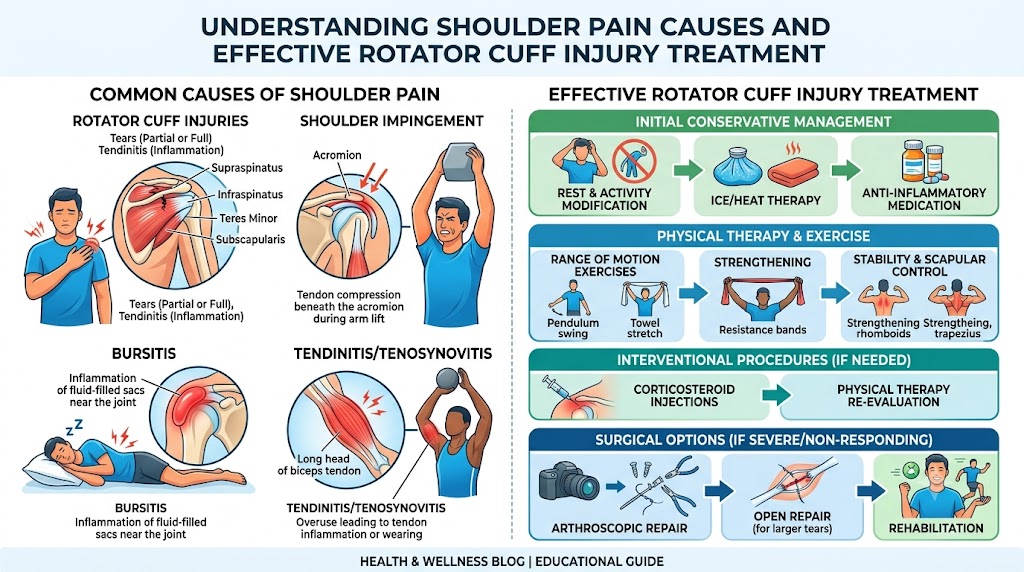
To compensate for this shallow socket and maintain stability, the joint relies on a specialized ring of fibrous cartilage called the labrum, which deepens the socket. Surrounding this cartilage is the rotator cuff—a dedicated group of four muscles and their connecting tendons that wrap securely around the head of the humerus. These muscles work continuously to pull the upper arm bone firmly into the socket during movement.
+-----------------------------------------------------------------+
|                  SHOULDER STABILITY BALANCERS                   |
+-----------------------------------------------------------------+
|  [The Glenoid Labrum] --------> Deepens the Shallow Bone Socket  |
|  [The Rotator Cuff] ----------> Anchors and Centers the Humerus |
|  [Capsular Ligaments] --------> Restricts Extreme Over-Extension|
+-----------------------------------------------------------------+
This reliance on soft tissues rather than deep bone-to-bone contact makes the shoulder inherently vulnerable to injuries. If any part of the rotator cuff, surrounding ligaments, or protective fluid pads becomes inflamed or torn, the entire mechanics of the joint shift. Maintaining joint stability requires all these components to work together seamlessly; a weakness in one muscle forces others to overwork, leading to increased wear, irritation, and eventual restriction.
Common Causes of Shoulder Injuries
Shoulder pain can develop from acute physical impacts, repetitive strain, or the natural structural changes that happen over time.
Sports Injuries and High-Velocity Impacts
Athletics involving forceful overhead movements—such as tennis, baseball pitching, swimming, and weightlifting—place exceptional stress on the rotator cuff and supporting tendons. Acute tissue tears or joint dislocations can also occur from direct impacts during contact sports like football, rugby, or basketball.
Sudden Falls and Accidents
Bracing yourself with an outstretched hand during a sudden fall is a common cause of acute shoulder trauma. The force of the impact travels up the arm bone, which can tear the labrum, rupture rotator cuff tendons, or dislocate the humerus from its socket.
Repetitive Strain and Work Movements
Occupations that require repetitive overhead activities—such as painting, carpentry, construction work, or loading stock shelves—can cause gradual micro-tears in the shoulder tendons. Over time, these small injuries can cause chronic irritation even without a single, specific injury event.
Aging-Related Structural Changes
As the body matures, blood flow to tendon tissues naturally decreases, reducing the body’s ability to repair everyday wear. This gradual reduction makes the tendons less flexible and more susceptible to tearing during normal daily activities.
Posture Imbalances and Ergonomics
Spending long hours slouching over a desk or computer keyboard can pull the shoulder blades forward out of their natural alignment. This persistent shift reduces the space inside the joint, compressing the tendons during movement and leading to ongoing discomfort.
Shoulder Injuries Comparison Table
| Injury Type | Common Symptoms | Typical Treatment Approach |
| Rotator Cuff Tear | Deep dull ache, progressive arm weakness, sleep disruptions | Target physical therapy, anti-inflammatories, or surgery |
| Frozen Shoulder | Gradual loss of movement, severe stiffness, deep joint pain | Controlled stretching, steroid injections, gentle tracking |
| Shoulder Dislocation | Visible structural deformity, sharp intense pain, swelling | Professional joint repositioning, immobilization, therapy |
| Bursitis | Localized swelling, warmth, tenderness when touching the joint | Targeted rest, ice therapy, anti-inflammatory measures |
| Tendinitis | Sharp pain during overhead reach, clicking sounds during use | Physiotherapy, activity modifications, postural balancing |
Symptoms That Should Not Be Ignored
Paying close attention to how your shoulders respond to daily physical movements is an important part of joint care. Certain symptoms warrant a professional orthopedic assessment.
Persistent Shoulder Pain
Experiencing a constant, deep ache inside the joint that lasts for more than a few weeks—especially pain that wakes you up at night or doesn’t improve with rest—suggests an underlying structural issue rather than simple muscle fatigue.
Limited Range of Motion
Noticing a gradual or sudden inability to raise your arm overhead, reach behind your back to zip a dress, or extend your arm fully to the side indicates joint restriction or inflammation that requires care.
Progressive Arm Weakness
Finding it difficult to lift a light object onto a shelf, carry a grocery bag, or keep your arm extended during simple daily tasks points to potential tearing or nerve compression within the muscle network.
Localized Swelling and Inflammation
Visible puffiness, redness, or a distinct feeling of heat around the shoulder joint indicates that the inner protective structures are irritated and need professional evaluation.
Clicking, Catching, or Structural Instability
Hearing or feeling a distinct popping, clicking, or grinding sound when moving your arm—or feeling as though the joint is slipping out of its socket—suggests a possible labral tear or ligament issue.
Common Shoulder Conditions Explained
Understanding the distinct patterns of common shoulder conditions helps patients participate effectively in their care plans.
+-----------------------------------------------------------------------+
|                    COMMON SHOULDER CONDITIONS                         |
+-----------------------------------------------------------------------+
|  [Rotator Cuff Injury] ----> Tendon Fraying, Weakness, Night Pain     |
|  [Frozen Shoulder] --------> Joint Capsule Tightening, Severe Lock    |
|  [Impingement Syndrome] ---> Compressed Tendons, Sharp Overhead Pain |
|  [Shoulder Dislocation] ---> Bone Displaced from Socket, Instability   |
|  [Shoulder Arthritis] -----> Cartilage Loss, Chronic Deep Grinding    |
+-----------------------------------------------------------------------+
Rotator Cuff Injuries
Rotator cuff injuries range from mild inflammation (tendinitis) to complete structural tears where the tendon detaches from the bone. These issues typically cause a deep, dull ache in the shoulder that can worsen when sleeping on the affected side or reaching overhead. Treatment begins with targeted physical therapy to strengthen surrounding muscles, but larger tears or severe weakness may benefit from surgical repair to restore function.
Frozen Shoulder
Clinically known as adhesive capsulitis, frozen shoulder occurs when the connective tissue capsule surrounding the joint becomes thick, inflamed, and tight. This condition develops over three distinct phases: a painful freezing stage, a restricted frozen stage, and a gradual thawing phase. Care focuses on controlling discomfort and using gentle stretching to maintain as much mobility as possible throughout the recovery process.
Shoulder Impingement Syndrome
Impingement happens when the top edge of the shoulder blade rubs against or pinches the underlying rotator cuff tendons and bursa pads during arm movements. This pinching causes a sharp, sudden pain when reaching upward or backwards. Treatment focuses on improving posture, reducing inflammation, and using targeted exercises to create more space within the joint.
Shoulder Dislocation
A dislocation occurs when an acute impact forces the head of the upper arm bone completely out of its shallow glenoid socket. This injury causes immediate pain, visible deformity, and potential stretching of the surrounding ligaments. After a medical professional safely repositions the bone, a structured rehabilitation plan is essential to rebuild joint stability and help prevent future dislocations.
Arthritis of the Shoulder
Shoulder arthritis involves the gradual breakdown of the smooth, protective cartilage that covers the joint surfaces. As this cartilage wears away, the bones can rub directly against each other, causing chronic deep pain, stiffness, and a grinding sensation during movement. Management focuses on low-impact exercise, heat therapy, and anti-inflammatory support to maintain mobility and comfort.
Diagnostic Tests Table
| Diagnostic Test | Primary Clinical Purpose | Direct Benefit to the Patient |
| Physical Examination | Manual evaluation of joint movement, strength, and pain patterns | Provides an immediate baseline overview to guide testing |
| X-Ray Imaging | Captures high-contrast views of bone structures and alignment | Identifies fractures, bone spurs, and signs of joint narrowing |
| MRI Scan | Details soft-tissue layers, including muscles and tendons | Pinpoints precise location and size of tears or inflammation |
| Ultrasound | Offers real-time imaging of moving muscles and tendons | Allows for dynamic assessment of tissue catching during use |
| CT Scan | Creates detailed, multi-dimensional views of complex bone structures | Assists in planning treatment for intricate or severe fractures |
Treatment Options for Shoulder Injuries
Orthopedic specialists use a variety of treatment approaches, focusing on conservative options first whenever possible to support the body’s natural recovery.
- Rest and Activity Modification: Temporarily reducing overhead activities and avoiding painful movements gives irritated tissues the time they need to heal.
- Targeted Medications: Using short-term anti-inflammatory medications or topical gels helps reduce localized swelling and manage daily discomfort.
- Physiotherapy: A structured exercise program designed to safely rebuild joint flexibility, improve posture, and strengthen the supporting muscle network.
- Steroid Injections: Guided cortisone injections delivered directly into the joint can provide temporary relief from severe swelling, making it easier to participate in physical therapy.
- Arthroscopic Surgery: A minimally invasive procedure where a surgeon uses tiny incisions and a small camera to repair torn tendons or clear away irritating bone spurs.
- Joint Replacement Surgery: Advanced options, such as a standard or reverse total shoulder replacement, considered when severe arthritis or complex fractures limit joint function.
Importance of Rehabilitation and Physiotherapy
Participating in a structured rehabilitation plan is an essential component of recovering from any shoulder injury or surgical procedure. Because the joint relies heavily on muscles for its stability, simply resting the arm is rarely enough to ensure long-term wellness.
+-----------------------------------------------------------------+
|                    PROGRESSIVE REHAB SEQUENCE                   |
+-----------------------------------------------------------------+
|  [Pain Management] --> [Flexibility Focus] --> [Strength Build] |
|   Ice & Gentle Movement   Restoring Range         Rotator Tracking|
+-----------------------------------------------------------------+
Physiotherapy guides the joint through a safe, progressive recovery. Initially, treatments emphasize gentle manual stretching to prevent the joint capsule from tightening and causing long-term stiffness. As inflammation goes down, the focus shifts to building strength in the rotator cuff and shoulder blade muscles, helping them support the joint evenly. This comprehensive conditioning helps restore your natural movement patterns, reduces pressure on healing tissues, and protects the shoulder from future injuries, allowing you to return to your favorite activities with confidence.
Rehabilitation Benefits Table
| Rehabilitation Method | Core Focus | Primary Benefit to the Joint |
| Stretching Exercises | Gently extends the joint capsule and surrounding muscles | Restores natural range of motion and prevents joint stiffness |
| Strength Training | Builds the rotator cuff and supporting muscle network | Improves joint stability and reduces strain on healing tendons |
| Physiotherapy Sessions | Guided manual therapies and movement tracking | Rewrites healthy movement patterns and lowers re-injury risk |
| Posture Correction | Aligns the shoulder blades and upper back properly | Opens up space within the joint to prevent tendon pinching |
| Home Exercise Programs | Independent daily conditioning and care | Supports long-term tissue strength and maintains recovery gains |
How to Prevent Shoulder Injuries
- Use Proper Exercise Techniques: Avoid lifting weights that compromise your form, and ensure your arm movements stay within comfortable paths during athletics.
- Incorporate Warm-Up Routines: Spend five to ten minutes doing light cardio and dynamic arm swings before workouts to increase blood circulation to your muscles.
- Maintain Balanced Posture: Sit with your shoulders relaxed and your chest open, using ergonomic desk chairs to help prevent your shoulder blades from pulling forward.
- Avoid Repetitive Strain: Take regular breaks during repetitive overhead tasks to allow your muscles to rest and recover from localized fatigue.
- Strengthen Supporting Muscles: Focus on exercises that balance both the front and back of the shoulder complex, including the rhomboids and lower trapezius.
Common Mistakes Patients Make
- Ignoring Early Warning Signs: Pushing through mild shoulder pain during workouts or daily tasks, which can turn a simple strain into a significant tear.
- Delaying Professional Evaluation: Waiting several months to see an orthopedic specialist, which can allow compensatory movement patterns to cause neck or back strain.
- Returning to Activity Too Early: Resuming heavy lifting or overhead sports as soon as immediate pain improves, before the muscles have regained their full strength.
- Skipping Rehabilitation Exercises: Stopping your physical therapy routine once basic movement returns, leaving the joint vulnerable to re-injury.
- Self-Medicating Without Guidance: Using over-the-counter pain relievers continuously to mask discomfort rather than addressing the underlying issue.
Real-Life Patient Scenarios
Scenario 1: Rebuilding Function After a Rotator Cuff Tear
An active individual developed a sharp, persistent ache in their dominant shoulder that made it difficult to lift objects or sleep comfortably at night. An orthopedic evaluation and subsequent MRI scan identified a partial-thickness tear in one of the rotator cuff tendons.
Instead of moving immediately to surgery, the patient committed to a dedicated, twelve-week physical therapy program. The therapist focused on strengthening the surrounding rotator cuff muscles and improving shoulder blade alignment. This targeted conditioning completely resolved the pain and restored the patient’s full arm strength, allowing them to return to their daily routines comfortably without requiring surgery.
Scenario 2: Managing Frozen Shoulder with Gradual stretching
A professional noticed their shoulder was becoming increasingly stiff, eventually making simple tasks like reaching for a seatbelt or combing their hair uncomfortable. They visited an orthopedic clinic and were diagnosed with the early stages of a frozen shoulder.
Their care team designed a progressive management plan, combining short-term anti-inflammatory support with a gentle, daily home stretching routine. By consistently following these light, controlled exercises, the patient managed their discomfort effectively and maintained functional mobility throughout the freezing phase, leading to a smooth, stable recovery.
Future of Shoulder Treatment
The field of orthopedic care is advancing quickly, combining advanced digital systems with innovative surgical methods to make shoulder treatments more precise and personalized.
+-----------------------------------------------------------------+
|                     FUTURE OF ORTHOPEDIC CARE                   |
+-----------------------------------------------------------------+
|  [Advanced Arthroscopy] --> Smaller instruments, faster recovery |
|  [Robotic Assistance] ----> Exceptional accuracy in alignment   |
|  [AI Scan Tracking] ------> Identifies microscopic tissue shifts |
|  [Digital Rehab Logs] ----> Connects your daily progress to MD   |
+-----------------------------------------------------------------+
Minimally invasive arthroscopic surgery continues to improve, utilizing smaller instruments and high-definition cameras that allow surgeons to perform complex tendon repairs with minimal disruption to surrounding tissues. This precision helps reduce post-operative swelling and supports a faster, more comfortable recovery for patients.
At the same time, robotic-assisted systems and artificial intelligence are becoming valuable parts of joint replacement care. Surgeons can use AI software to analyze high-resolution scans and map out a patient’s unique bone structures before surgery. During a procedure, robotic tools provide real-time guidance to ensure optimal implant alignment, helping to extend the lifespan of the new joint and restore natural movement patterns comfortably.
FAQs (Frequently Asked Questions)
1.What causes common shoulder pain?
Shoulder pain frequently stems from rotator cuff irritation, joint impingement, muscle strains, bad posture, or gradual cartilage wear within the joint.
2.What is a rotator cuff injury?
A rotator cuff injury involves inflammation, fraying, or structural tearing of the tendons and muscles that support and anchor the upper arm bone.
3.Can a frozen shoulder heal naturally over time?
Yes, a frozen shoulder generally resolves on its own, but the process can take several months, and gentle physical therapy is highly beneficial for managing stiffness.
4.When should surgery be considered for a shoulder injury?
Surgery is typically considered when conservative options like physical therapy fail to provide relief, or when severe muscle weakness or complex fractures limit function.
5.Is physiotherapy necessary after a joint dislocation?
Yes, a structured physical therapy program is essential after a dislocation to rebuild the muscle strength and ligament stability needed to help prevent future joint instability.
6.How long does recovery typically take after a shoulder injury?
Recovery timelines vary based on the specific injury; mild strains can improve in a few weeks, while recovering from a complex tendon repair can take several months of dedicated care.
7.How can I safely prevent shoulder strain during daily workouts?
You can protect your joints by warming up thoroughly before exercise, using steady, controlled movements, and avoiding lifting weights that compromise your form.
8.Why does a shoulder injury often feel worse at night?
When lying down flat, gravity no longer pulls the arm bone down, allowing the tissues to compress slightly, which can increase pressure on inflamed tendons or bursa pads.
9.What is the primary difference between a shoulder sprain and a strain?
A sprain involves stretching or tearing the ligaments that connect bones together, while a strain refers to injury within the muscles or connecting tendons.
10.Can bad posture cause ongoing shoulder pain?
Yes, slouching forward pulls the shoulder blades out of alignment, narrowing the joint space and increasing the risk of compressing the underlying tendons.
11.What is a shoulder impingement?
Impingement occurs when the top edge of the shoulder blade pinches or rubs against the rotator cuff tendons during overhead movements, causing a sharp discomfort.
12.Are cortisone injections a permanent solution for shoulder pain?
No, cortisone injections provide temporary relief from severe inflammation and swelling, helping to manage pain so you can participate comfortably in physical therapy.
13.What is a reverse total shoulder replacement?
This is a specialized surgery where the positions of the ball and socket are reversed, allowing the larger deltoid muscle to lift the arm when the rotator cuff is severely damaged.
14.How soon can I return to lifting objects after a minor strain?
It is best to wait until your full range of motion returns without any pain, and then gradually reintroduce light weights under your doctor’s guidance.
15.Where can I find a verified hospital specializing in orthopedic care?
You can search through reputable medical directories, request a referral from your primary care doctor, or browse accredited providers on specialized orthopedic health platforms.
Final Thoughts
Prioritizing your joint health and addressing shoulder concerns early is an essential step in protecting your daily mobility and independence. By learning to identify key warning signs—such as progressive weakness or limited range of motion—you can work alongside your healthcare team effectively. Addressing joint issues proactively ensures you receive accurate testing and a customized care plan tailored to your lifestyle.Partnering with an experienced orthopedic specialist ensures your recovery is supported by modern diagnostics and evidence-based treatments. Embracing healthy daily routines—such as proper exercise techniques, balanced posture, and regular rehabilitation stretching—helps make protecting your shoulder health a natural, simple part of your life. To look through comprehensive provider directories, access helpful joint guides, and connect with trusted specialists, utilize the clinical tools available at BESTORTHOHOSPITALS.