Introduction
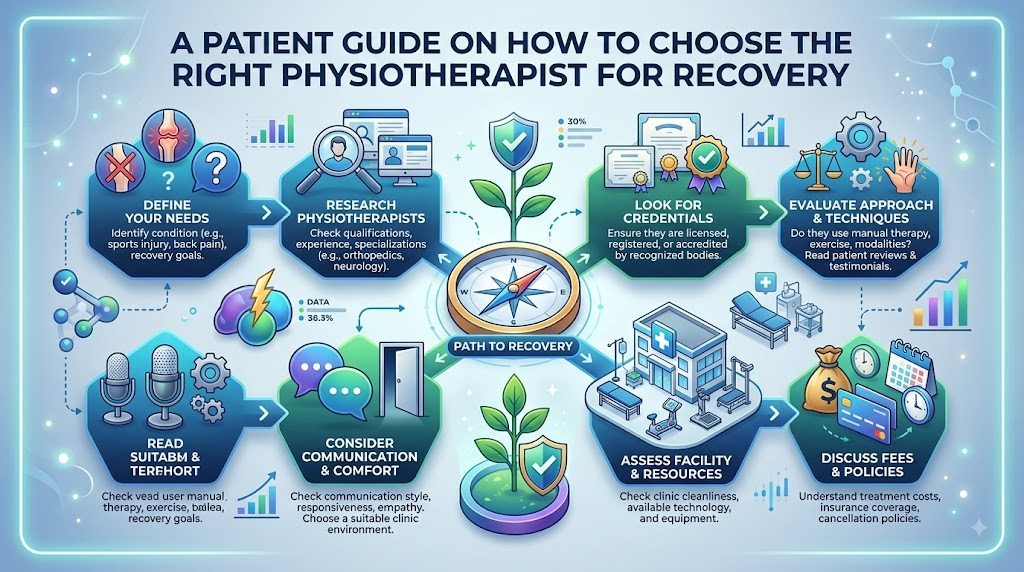
Finding a skilled physiotherapist involves much more than picking the clinic closest to your house or selecting the first result in an internet search. While convenient location matters, effective rehabilitation depends heavily on finding a licensed professional whose clinical expertise, educational background, and communication style align directly with your health condition.Selecting a practitioner with relevant clinical experience creates a collaborative environment where recovery goals are realistic, structured, and tailored to you. Educational platforms like Bestorthohospitals help patients research orthopedic hospitals, learn about rehabilitation options, and prepare thoughtful questions before beginning therapy.
What Does a Physiotherapist Do?
A physiotherapist evaluates physical movement and designs personalized recovery strategies based on an individual’s medical history, current capabilities, and personal goals.
┌─────────────────────────────────────────────────────────────────────────┐
│                    THE SCOPE OF PHYSIOTHERAPY PRACTICE                  │
├─────────────────────────────────────────────────────────────────────────┤
│ PHYSICAL EVALUATION                                                     │
│ • Assessing joint range of motion and muscle strength                    │
│ • Analyzing gait (walking pattern), balance, and posture                 │
│ • Identifying movement limitations driving pain or dysfunction           │
├─────────────────────────────────────────────────────────────────────────┤
│ INTERVENTION & REHABILITATION                                           │
│ • Prescribing targeted therapeutic exercise programs                     │
│ • Providing manual (hands-on) techniques when clinically indicated       │
│ • Educating patients on movement strategies and home ergonomics          │
│ • Guiding safe return to daily activities, work, or sports               │
└─────────────────────────────────────────────────────────────────────────┘
Physiotherapy focuses on empowering patients with the movement tools, knowledge, and structured exercises necessary to manage physical challenges independently over time.
Why Choosing the Right Professional Matters
Not all movement conditions require the same clinical approach. A treatment plan designed for a high-school athlete recovering from an ACL reconstruction will look vastly different from a plan created for an older adult recovering from a stroke or managing severe arthritis.
                  ┌──────────────────────────────────────────┐
                  │    Matching Specialization to Needs      │
                  └─────────────────────┬────────────────────┘
                                        │
      ┌──────────────────┬──────────────┴───────────────┬──────────────────┐
      ▼                  ▼                              ▼                  ▼
┌───────────┐    ┌──────────────┐              ┌───────────────┐    ┌──────────────┐
│ Post-Op   │    │ Sports       │              │ Neurological  │    │ Geriatric    │
│ Joint     │    │ Ligament     │              │ Stroke / MS   │    │ Balance &    │
│ Surgical  │    │ Sprains &    │              │ Rehabilitation│    │ Fall Risk    │
│ Expertise │    │ Muscle Tears │              │ Focus         │    │ Management   │
└───────────┘    └──────────────┘              └───────────────┘    └──────────────┘
Selecting a physiotherapist who routinely manages your specific condition helps ensure:
- Targeted Interventions: Your care plan is guided by current, evidence-based practices for your specific diagnosis.
- Appropriate Intensity: Exercise progressions match your healing phase without overstressing recovering tissues.
- Safety Focus: Early signs of complications or unexpected responses to movement are recognized quickly.
Check Qualifications and Licensing
Before booking an initial assessment, verify that the practitioner holds valid professional credentials and a current license to practice.
┌─────────────────────────────────────────────────────────────────────────┐
│                    CREDENTIAL VERIFICATION CHECKLIST                    │
├───────────────────┬─────────────────────────────────────────────────────┤
│ Verification Item │ Details to Confirm                                  │
├───────────────────┼─────────────────────────────────────────────────────┤
│ Professional Degree│ Entry-level degree (e.g., DPT, BPT, MPT, or MSc PT) │
│                   │ from an accredited university program.              │
├───────────────────┼─────────────────────────────────────────────────────┤
│ State/National    │ Active registration with the appropriate licensing │
│ License           │ board or professional regulatory body.              │
├───────────────────┼─────────────────────────────────────────────────────┤
│ Advanced Board    │ Specialty certifications (e.g., Board-Certified     │
│ Certifications    │ Orthopedic or Sports Clinical Specialist).          │
├───────────────────┼─────────────────────────────────────────────────────┤
│ Continuing        │ Ongoing participation in post-graduate clinical     │
│ Education         │ training and skill updates.                         │
└───────────────────┴─────────────────────────────────────────────────────┘
Note: Licensing systems, professional titles, and registration registries vary by country and state. Patients should check the regulatory registry applicable to their geographic location.
Match Experience to Your Specific Condition
Clinical experience with your specific health issue allows the physical therapist to anticipate recovery milestones and navigate unexpected challenges.
| Patient Health Need | Relevant Clinical Experience to Look For |
| Knee, Hip, or Shoulder Surgery | Post-operative orthopedic rehabilitation protocols |
| Chronic Low Back or Neck Pain | Musculoskeletal assessment & movement re-education |
| Sports Injury (Ligament/Tendon) | Sports physiotherapy, biomechanical evaluation, & return-to-play testing |
| Stroke, Parkinson’s, or MS | Neurological rehabilitation, motor learning, & functional retraining |
| Balance Issues or Frequent Falls | Geriatric physiotherapy, vestibular therapy, & fall-prevention training |
| Developmental or Pediatric Conditions | Pediatric physical therapy & early intervention movement care |
Understand Physiotherapy Specializations
Physical therapy includes several recognized specialty areas, allowing clinicians to focus their practice on specific body systems or patient populations.
Specialty Areas Overview
├── Musculoskeletal & Orthopedics ──► Joints, Bones, Muscles, Post-Surgical
├── Sports Rehabilitation        ──► Athletic Performance, Acute Injuries, Biomechanics
├── Neurological Care            ──► Brain, Spinal Cord, Nerve-Related Movement
├── Geriatric Physical Therapy   ──► Mobility in Aging, Osteoporosis, Fall Prevention
├── Pediatric Rehabilitation      ──► Child Development, Congenital Movement Needs
└── Cardiopulmonary Care         ──► Endurance, Heart & Lung Recovery Programs
- Orthopedic Physiotherapy: Focuses on restoring function to bones, joints, ligaments, tendons, and muscles following injury, wear, or surgery.
- Sports Physiotherapy: Specializes in athletic injuries, biomechanical screening, sport-specific movement patterns, and safe return-to-play guidelines.
- Neurological Physiotherapy: Concentrates on helping individuals with brain, spinal cord, or nerve conditions improve coordination, balance, and independence.
- Geriatric Physiotherapy: Focuses on maintaining functional independence, managing joint pain, and addressing balance challenges in older adults.
- Pediatric Physiotherapy: Tailored to infants, children, and adolescents navigating developmental delays, genetic conditions, or childhood injuries.
- Cardiopulmonary Physiotherapy: Assists patients recovering from cardiac procedures, heart conditions, or chronic lung diseases to safely restore exercise tolerance.
What to Expect During the Initial Assessment
A comprehensive initial assessment lays the foundation for safe and effective physical therapy.
┌────────────────────────────────────────────────────────────────────────┐
│                   INITIAL ASSESSMENT WORKFLOW                          │
├────────────────────────────────────────────────────────────────────────┤
│ 1. HEALTH HISTORY: Detailed review of symptoms, surgeries, and goals   │
│ 2. MOVEMENT EXAMINATION: Evaluating posture, range of motion, & gait   │
│ 3. PHYSICAL TESTING: Measuring muscle strength, flexibility, & balance  │
│ 4. COLLABORATIVE GOAL-SETTING: Defining clear, functional milestones   │
│ 5. INITIAL PLAN OF CARE: Outline of session frequency & home movement   │
└────────────────────────────────────────────────────────────────────────┘
The initial visit should be interactive. A therapist will evaluate how your body moves, listen to your concerns, and work with you to establish measurable goals—such as walking comfortably, returning to work, or playing a sport.
Evaluating the Proposed Treatment Plan
A clear treatment plan outlines the path from initial evaluation to functional independence.
                  ┌──────────────────────────────────────────┐
                  │   Elements of a Quality Care Plan        │
                  └─────────────────────┬────────────────────┘
                                        │
      ┌──────────────────┬──────────────┴───────────────┬──────────────────┐
      ▼                  ▼                              ▼                  ▼
┌───────────┐    ┌──────────────┐              ┌───────────────┐    ┌──────────────┐
│ Clear     │    │ Prescribed   │              │ Periodic      │    │ Focus on     │
│ Functional│    │ Home Exercise│              │ Progress      │    │ Patient      │
│ Goals     │    │ Program      │              │ Re-evaluations│    │ Independence │
└───────────┘    └──────────────┘              └───────────────┘    └──────────────┘
Communication Style and Patient-Centered Care
The relationship between a patient and a physiotherapist is a active partnership. Effective recovery requires clear, two-way communication.
┌─────────────────────────────────────────────────────────────────────────┐
│                   EVALUATING CLINICAL COMMUNICATION                     │
├───────────────────┬─────────────────────────────────────────────────────┤
│ Positive Indicator│ Practical Observation                               │
├───────────────────┼─────────────────────────────────────────────────────┤
│ Active Listening  │ Does the therapist listen closely to your history   │
│                   │ and take your concerns seriously?                   │
├───────────────────┼─────────────────────────────────────────────────────┤
│ Clear Explanations│ Do they explain your assessment and exercises in   │
│                   │ plain, understandable language?                     │
├───────────────────┼─────────────────────────────────────────────────────┤
│ Shared Decisions  │ Are your lifestyle priorities reflected in the      │
│                   │ treatment goals?                                    │
├───────────────────┼─────────────────────────────────────────────────────┤
│ Patient Comfort   │ Does the clinician respect your tolerance levels and│
│                   │ modify exercises when pain occurs?                  │
└───────────────────┴─────────────────────────────────────────────────────┘
Evaluating Clinic Facilities and Accessibility
The clinic environment can significantly impact your overall therapy experience.
┌────────────────────────────────────────────────────────────────────────┐
│                     CLINIC EVALUATION CHECKLIST                        │
├────────────────────────────────────────────────────────────────────────┤
│  1. Space & Layout: Adequate area for open exercise and mobility work  │
│  2. Equipment: Safe, clean, and well-maintained rehabilitation tools    │
│  3. Accessibility: Accessible entryways, elevators, and wide doorways   │
│  4. Hygiene Protocols: Clean treatment rooms and disinfected gear      │
│  5. Location & Travel: Manageable commute from your home or workplace   │
│  6. Appointment Scheduling: Availability matching your regular routine  │
└────────────────────────────────────────────────────────────────────────┘
Navigating Cost, Billing, and Insurance
Financial transparency prevents unexpected expenses during your rehabilitation journey.
┌─────────────────────────────────────────────────────────────────────────┐
│                    FINANCIAL QUESTIONS TO CONSIDER                      │
├───────────────────┬─────────────────────────────────────────────────────┤
│ Financial Topic   │ Specific Question to Ask the Clinic                 │
├───────────────────┼─────────────────────────────────────────────────────┤
│ Assessment Fee    │ Is the initial evaluation billed at a different     │
│                   │ rate than follow-up sessions?                       │
├───────────────────┼─────────────────────────────────────────────────────┤
│ Session Rates     │ What is the out-of-pocket cost per visit?           │
├───────────────────┼─────────────────────────────────────────────────────┤
│ Insurance Network │ Is this facility in-network for my insurance plan?  │
├───────────────────┼─────────────────────────────────────────────────────┤
│ Pre-Authorization │ Does my insurance policy require medical referral or│
│                   │ prior approval before sessions begin?               │
└───────────────────┴─────────────────────────────────────────────────────┘
Note: Healthcare billing and insurance coverage rules vary by country and provider policy. Always confirm expected out-of-pocket costs with the clinic staff prior to starting therapy.
Interpreting Online Reviews and Feedback
Online ratings can offer broad insight into clinic operations, but they should be considered alongside objective clinical factors.
┌─────────────────────────────────────────────────────────────────────────┐
│                   BALANCING REVIEWS WITH CLINICAL FIT                   │
├───────────────────────────────────────────┬─────────────────────────────┤
│ Useful Patterns to Notice                 │ Limitations of Ratings      │
├───────────────────────────────────────────┼─────────────────────────────┤
│ • Timeliness of appointment scheduling     │ • Star ratings rarely measure│
│ • Friendliness of administrative staff     │   clinical specialization.  │
│ • Overall clinic cleanliness & hygiene     │ • Reviews reflect individual│
│ • Ease of parking and building access     │   subjective experiences.   │
└───────────────────────────────────────────┴─────────────────────────────┘
Use online reviews as one helpful data point alongside formal qualifications, clinical experience, and initial communication style.
Avoiding Price-Only Decision Making
Choosing a provider based solely on the lowest price—or assuming the most expensive clinic provides the highest quality care—can be misleading.
               ┌───────────────────────────────────────────────┐
               │    Balanced Selection Strategy Framework      │
               └───────────────────────┬───────────────────────┘
                                       │
      ┌──────────────────┬─────────────┴───────────────┬──────────────────┐
      ▼                  ▼                             ▼                  ▼
┌───────────┐    ┌──────────────┐             ┌───────────────┐    ┌──────────────┐
│ Verify    │    │ Confirm      │             │ Assess        │    │ Balance      │
│ Licensing │    │ Relevant     │             │ Communication │    │ Cost &       │
│ & Degrees │    │ Experience   │             │ & Patient Fit │    │ Convenience  │
└───────────┘    └──────────────┘             └───────────────┘    └──────────────┘
A high-value therapy experience blends proper professional credentials, clinical expertise matched to your condition, respectful communication, manageable travel time, and transparent pricing.
Patient Safety: Red Flags to Watch Out For
Be cautious if a physical therapy provider or facility demonstrates any of these red flags:
┌─────────────────────────────────────────────────────────────────────────┐
│                          CLINICAL RED FLAGS                             │
├─────────────────────────────────────────────────────────────────────────┤
│ ❌ Guarantees 100% full recovery or precise recovery timelines          │
│ ❌ Pushes large, non-refundable treatment packages before an evaluation │
│ ❌ Refuses to explain the purpose of prescribed exercises or techniques │
│ ❌ Discourages you from consulting your physician or medical specialist │
│ ❌ Cannot show clear evidence of professional licensing or registration │
│ ❌ Ignores increasing pain or worsening neurological symptoms           │
│ ❌ Relies solely on passive treatments (e.g., heat packs) without exercise│
└─────────────────────────────────────────────────────────────────────────┘
When a Physiotherapist Refers You to Another Professional
A key sign of professional competence is knowing when a patient’s condition requires additional medical evaluation.
[ Physical Therapy Evaluation ]
               │
               ├─────────────────────────────────────────┐
               ▼                                         ▼
[ Expected Movement Issue ]               [ Unexpected Medical Finding ]
               │                                         │
               ▼                                         ▼
[ Continue Physical Therapy ]              [ Prompt Medical Referral ]
                                                         │
                                    ┌────────────────────┴────────────────────┐
                                    ▼                                         ▼
                         [ Orthopedic Surgeon / PCP ]            [ Neurologist / Specialist ]
Physiotherapists will refer patients back to a primary care physician, orthopedic surgeon, or medical specialist if they detect:
- Unexplained or rapidly worsening neurological symptoms (e.g., sudden numbness or weakness).
- Signs of joint instability or structural damage requiring surgical evaluation.
- Systemic red flags, such as unexpected weight loss, fever, or night pain unrelated to movement.
- A lack of expected functional progress over a reasonable timeframe.
Preparing for Your First Appointment
Arriving prepared for your initial evaluation helps ensure a thorough assessment.
┌─────────────────────────────────────────────────────────────────────────┐
│                  FIRST APPOINTMENT PREPARATION CHECKLIST                │
├───────────────────┬─────────────────────────────────────────────────────┤
│ Item to Bring     │ Purpose                                             │
├───────────────────┼─────────────────────────────────────────────────────┤
│ Medical Documents │ Relevant operation reports, physician referrals, or │
│                   │ imaging summaries (X-ray, MRI reports).             │
├───────────────────┼─────────────────────────────────────────────────────┤
│ Medication List   │ A current record of all prescription drugs, OTC     │
│                   │ medications, and supplements you take.              │
├───────────────────┼─────────────────────────────────────────────────────┤
│ Comfortable Clothing│ Loose-fitting athletic wear that allows clear       │
│                   │ movement of the area being evaluated.               │
├───────────────────┼─────────────────────────────────────────────────────┤
│ Written Goals     │ A list of specific daily activities or goals you    │
│                   │ want to return to doing comfortably.                │
└───────────────────┴─────────────────────────────────────────────────────┘
Comparing Roles: Physiotherapist vs. Orthopedic Doctor
Physiotherapists and orthopedic doctors frequently work together to guide recovery, but their clinical roles are distinct:
| Characteristic | Physiotherapist (Physical Therapist) | Orthopedic Doctor (Surgeon / Specialist) |
| Primary Focus | Movement analysis, functional rehabilitation, exercise | Medical diagnosis, surgical intervention, medication management |
| Core Method | Therapeutic exercise, manual care, movement re-education | Diagnostic imaging, joint injections, surgical repairs |
| Session Model | Multiple progressive sessions over weeks or months | Consultation visits, surgical procedures, periodic checkups |
| Main Goal | Restoring mobility, strength, and functional independence | Correcting structural issues, diagnosing conditions, medical care |
Terminology: Physiotherapist vs. Physical Therapist
In most clinical contexts worldwide, physiotherapist and physical therapist refer to practitioners in the same healthcare profession.
┌─────────────────────────────────────────────────────────────────────────┐
│                    REGIONAL TERMINOLOGY DIFFERENCES                     │
├───────────────────┬─────────────────────────────────────────────────────┤
│ Region            │ Commonly Used Professional Title                    │
├───────────────────┼─────────────────────────────────────────────────────┤
│ United States     │ Physical Therapist (PT)                             │
├───────────────────┼─────────────────────────────────────────────────────┤
│ United Kingdom,   │ Physiotherapist                                     │
│ Canada, Australia │                                                     │
├───────────────────┼─────────────────────────────────────────────────────┤
│ India & Other     │ Both terms are widely used interchangeably in       │
│ Global Regions    │ clinical and public settings.                       │
└───────────────────┴─────────────────────────────────────────────────────┘
Regardless of regional titles, the core clinical focus remains consistent: assessing movement, supporting healing, and helping patients recover physical function safely.
Structured Comparison Framework: Therapist A vs. Therapist B
Use this decision matrix when choosing between multiple providers:
| Decision Factor | Provider Candidate A | Provider Candidate B |
| License Verified? | [ ] Yes [ ] No | [ ] Yes [ ] No |
| Treats My Condition Regularly? | [ ] Yes [ ] No | [ ] Yes [ ] No |
| Recognized Specialization? | [ ] Yes [ ] No | [ ] Yes [ ] No |
| One-on-One Session Time | _____ minutes | _____ minutes |
| Distance from Home/Work | _____ miles/km | _____ miles/km |
| Insurance Accepted? | [ ] Yes [ ] No | [ ] Yes [ ] No |
| Clear Communication Style? | [ ] Yes [ ] No | [ ] Yes [ ] No |
| Transparent Pricing? | [ ] Yes [ ] No | [ ] Yes [ ] No |
Special Considerations: Post-Surgical Rehabilitation
Recovering after surgery requires clear coordination between your orthopedic surgeon and your physical therapist.
┌────────────────────────────────────────────────────────────────────────┐
│               POST-SURGICAL REHABILITATION STEPS                       │
├────────────────────────────────────────────────────────────────────────┤
│ 1. SURGICAL PROTOCOL: Follow specific weight-bearing and movement rules│
│ 2. COORDINATED CARE: Ensure the therapist communicates with the surgeon│
│ 3. TIMED PROGRESSION: Advance exercise intensity based on tissue healing│
│ 4. SYMPTOM MONITORING: Track joint swelling, incision healing, & discomfort│
└────────────────────────────────────────────────────────────────────────┘
Look for a therapist who regularly handles post-surgical cases and respects surgical healing guidelines.
Special Considerations: Sports Injuries
Athletes recovering from sports injuries require structured, progressive rehabilitation to return to play safely.
[ Acute Injury Phase ] ──► [ Mobility & Muscle Activation ] ──► [ Strength & Biomechanics ]
                                                                      │
                                                                      ▼
[ Safe Return to Sport ] ◄── [ Sport-Specific Testing ] ◄── [ Agility & Power Work ]
A sports physiotherapist evaluates biomechanics, movement patterns, and agility to help lower the risk of re-injury when returning to full activity.
Special Considerations: Older Adults and Balance Care
For older adults, physical therapy focuses on preserving independence, improving joint mobility, and reducing fall risks.
┌─────────────────────────────────────────────────────────────────────────┐
│                    GERIATRIC PHYSICAL THERAPY FOCUS                     │
├───────────────────┬─────────────────────────────────────────────────────┤
│ Focus Area        │ Clinical Objective                                  │
├───────────────────┼─────────────────────────────────────────────────────┤
│ Balance & Gait    │ Strengthening leg muscles and refining posture to   │
│                   │ steady walking patterns.                            │
├───────────────────┼─────────────────────────────────────────────────────┤
│ Fall Prevention   │ Identifying movement deficits and building confidence│
│                   │ during everyday daily tasks.                        │
├───────────────────┼─────────────────────────────────────────────────────┤
│ Joint Mobility    │ Managing arthritis symptoms to keep joint movement  │
│                   │ comfortable and functional.                         │
└───────────────────┴─────────────────────────────────────────────────────┘
Common Myths vs. Medical Facts
┌─────────────────────────────────────────────────────────────────────────┐
│                            MYTHS VS. FACTS                              │
├───────────────────────────────────────────┬─────────────────────────────┤
│ MYTH                                      │ MEDICAL FACT                │
├───────────────────────────────────────────┼─────────────────────────────┤
│ "The most expensive clinic is always best."│ "Licensing, experience, and │
│                                           │  clinical fit matter more." │
├───────────────────────────────────────────┼─────────────────────────────┤
│ "Any physiotherapist can treat any condition."│ "Specialized experience     │
│                                           │  improves targeted care."   │
├───────────────────────────────────────────┼─────────────────────────────┤
│ "Physical therapy is only for athletes."  │ "Physiotherapy supports     │
│                                           │  people of all ages/needs." │
├───────────────────────────────────────────┼─────────────────────────────┤
│ "More pain during therapy means faster healing."│ "Therapy should be adapted│
│                                           │  to respect tissue healing."│
├───────────────────────────────────────────┼─────────────────────────────┤
│ "More sessions always yield better results."│ "Effective plans focus on │
│                                           │  building home independence."│
└───────────────────────────────────────────┴─────────────────────────────┘
Common Mistakes to Avoid When Choosing a Provider
- Focusing Only on Location: Selecting a clinic solely because it is nearby, without verifying experience with your condition.
- Skipping Credential Checks: Assuming every clinic practitioner holds valid state or national registration.
- Overlooking Home Exercises: Expecting clinic sessions alone to produce results without active home exercise practice.
- Ignoring Communication Issues: Continuing therapy with a provider who does not answer your questions or listen to your concerns.
- Buying Bulk Packages Early: Paying for large, non-refundable session packages before completing an initial evaluation.
How Bestorthohospitals Can Support Your Search
Finding quality rehabilitation resources requires reliable information. Bestorthohospitals.com provides educational content to help patients:
- Explore Rehabilitation Services: Learn about orthopedic programs and post-surgical recovery pathways.
- Understand Care Options: Compare clinical approaches to joint, spine, and sports injury care.
- Prepare for Appointments: Access question checklists to make conversations with healthcare providers more productive.
Downloadable-Style Patient Selection Checklist
Use this quick summary checklist when making your final decision:
┌────────────────────────────────────────────────────────────────────────┐
│                   PHYSIOTHERAPIST SELECTION CHECKLIST                  │
├────────────────────────────────────────────────────────────────────────┤
│ [ ] Professional license and registration verified                     │
│ [ ] Academic degrees and qualifications confirmed                      │
│ [ ] Experience with my specific condition or surgery confirmed         │
│ [ ] Recognized clinical specialization matches my goals                │
│ [ ] Initial evaluation scope and expected costs explained              │
│ [ ] Treatment goals set collaboratively                                │
│ [ ] Home exercise program provided and demonstrated clearly            │
│ [ ] Insurance coverage or payment options verified                     │
│ [ ] Clinic location and scheduling work well for my routine            │
│ [ ] Communication feels respectful, open, and clear                    │
└────────────────────────────────────────────────────────────────────────┘
Frequently Asked Questions (FAQs)
1.How do I choose the right physiotherapist?
Choose a physiotherapist by verifying their professional license, evaluating their experience with your specific condition, asking about their specializations, and assessing their communication style.
2.What qualifications should a physiotherapist have?
A physiotherapist should hold a university degree in physical therapy (such as a BPT, MPT, or DPT) from an accredited institution and maintain an active license with their regional regulatory body.
3.How important is clinical experience when choosing a therapist?
Clinical experience with your specific diagnosis—such as post-surgical care or sports injuries—is important, as it helps the therapist tailor exercises safely to your healing phase.
4.Should I choose a physiotherapist who specializes in my condition?
Choosing a therapist with specialized training (such as orthopedics, sports, or neurology) ensures your care plan reflects evidence-based practices for your specific health needs.
5.What should I ask a physiotherapist before starting treatment?
Ask about their licensing, their experience treating your condition, how they evaluate progress, session costs, and what your home exercise program will involve.
6.How do I find a qualified orthopedic physiotherapist?
Look for licensed practitioners who focus on musculoskeletal care, work closely with orthopedic surgical teams, or hold board certifications in orthopedic physical therapy.
7.Should I rely on online reviews when selecting a physiotherapist?
Online reviews offer insight into clinic cleanliness, staff friendliness, and scheduling ease, but they should be considered alongside formal credentials and clinical experience.
8.How much does physical therapy cost?
Costs vary by region, clinic type, and insurance coverage. It is best to contact the clinic directly to confirm evaluation fees, session rates, and out-of-pocket costs.
9.Does health insurance cover physical therapy?
Many health insurance policies provide partial or full coverage for physical therapy, though pre-authorization or a physician referral may be required depending on your policy.
10.What happens during the first physiotherapy visit?
The therapist will review your health history, assess your movement, strength, and balance, discuss your goals, and design an initial care plan.
11.Can I choose my own physiotherapist after surgery?
Yes. Patients generally have the right to select their physical therapy provider, provided the therapist follows any post-operative guidelines established by your surgeon.
12.What type of physiotherapist treats sports injuries?
A sports physiotherapist specializes in athletic injuries, biomechanical movement evaluations, sport-specific conditioning, and safe return-to-play testing.
13.When should a physiotherapist refer me to a doctor?
A therapist should refer you to a physician if they observe red-flag symptoms, suspect structural damage requiring imaging, or notice a lack of expected progress.
14.How often are physiotherapy sessions scheduled?
Session frequency depends on your condition, healing phase, and functional goals. Visits often range from one to three times per week initially, tapering as home independence increases.
15.What should I bring to my first physiotherapy appointment?
Bring comfortable athletic clothing, a list of current medications, relevant surgical or imaging reports, physician referral forms, and your health insurance information.
Final Conclusion
Choosing the right physiotherapist is a valuable investment in your physical health, mobility, and long-term recovery. Rather than relying solely on convenience or online ratings, evaluate potential providers based on verified qualifications, active licensing, relevant clinical experience, and clear communication.By asking thoughtful questions, setting clear functional goals, and actively participating in your home exercise program, you can build a strong partnership with a physical therapy professional dedicated to helping you move safely and comfortably.