Introduction
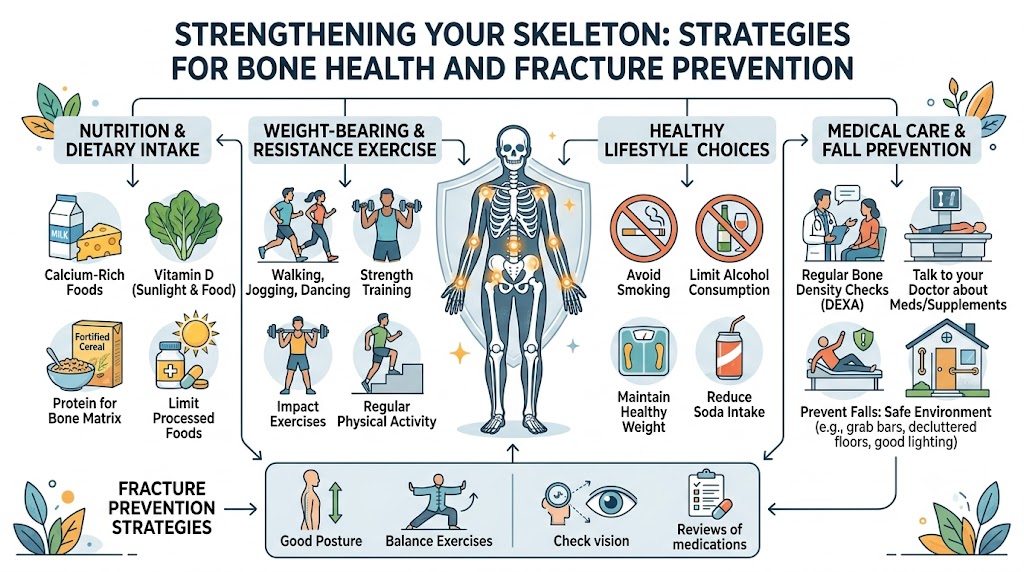
Bones serve as the structural framework of the human body, supporting our movement, protecting our organs, and storing vital minerals. While we often think of our skeleton as a permanent, unchanging structure, it is actually a living tissue that constantly rebuilds itself. Maintaining healthy, strong bones is essential for preserving mobility, independence, and overall quality of life as we age.Fractures can range from minor cracks to severe breaks, each carrying the potential to interrupt our daily lives and long-term health. However, many fractures are not merely “accidents”—they are often the result of cumulative lifestyle choices and environmental factors that can be managed. By understanding how to nurture our skeletal health and implement smart safety habits, we can significantly reduce the likelihood of orthopedic injuries. For those seeking expert-led care and high-quality orthopedic resources, BestOrthoHospitals offers a dedicated platform to help you navigate your journey toward stronger, more resilient bones. This guide explores the foundational principles of fracture prevention.
Understanding Bone Fractures
A bone fracture occurs when the physical force applied to a bone exceeds its strength. While healthy bones are remarkably resilient, they can succumb to sudden impact or the cumulative effects of weakened structure, known as low bone density.
Fractures can be categorized by the nature of the break and the force involved. Understanding these distinctions helps in recognizing why prevention focuses on both bone quality (density) and environment (fall prevention).
BONE FRACTURE OVERVIEW TABLE
| Fracture Type | Description | Common Causes |
| Simple Fracture | A clean break where the bone remains in place. | High-impact falls or accidents. |
| Stress Fracture | Tiny cracks caused by repetitive force. | Overuse in sports or intense training. |
| Compression Fracture | Bone collapses, common in the spine. | Osteoporosis or significant trauma. |
| Greenstick Fracture | Bone bends and cracks, usually in children. | Soft, developing bone trauma. |
| Compound Fracture | Bone breaks through the skin. | Severe trauma or high-energy accidents. |
Why Bone Fractures Happen
Fractures are typically the result of one of two things: a force that is simply too great for any bone to withstand, or a bone that has become too weak to support normal activity.
- Falls: The most common cause of fractures, particularly among older adults.
- Sports Injuries: High-velocity impacts or awkward landings.
- Motor Vehicle Accidents: Significant force that affects multiple skeletal areas.
- Osteoporosis: A condition where bone tissue thins, making bones fragile.
- Repetitive Stress: Small, cumulative damage from overtraining.
- Workplace Injuries: Improper lifting techniques or unsafe environments.
Common Bone Fractures by Body Area
Injuries often cluster in specific areas based on how we interact with our environment.
COMMON FRACTURES TABLE
| Body Area | Common Fracture Type | Typical Risk Factors |
| Wrist | Colles’ fracture (from bracing a fall) | Low bone density, poor balance. |
| Hip | Femoral neck fracture | Osteoporosis, elderly age. |
| Ankle | Malleolar fracture | Uneven terrain, sports pivoting. |
| Arm | Mid-shaft humerus fracture | High-impact collisions. |
| Leg | Tibia/Fibula fracture | Sports and vehicular accidents. |
| Shoulder | Clavicle fracture | Falls onto the shoulder. |
| Spine | Compression fracture | Osteoporosis, heavy lifting. |
Risk Factors for Bone Fractures
Risk factors are not always static. By identifying them, we can build a strategy for change.
- Low Bone Density: Reduces the internal lattice of the bone.
- Vitamin D Deficiency: Prevents the body from absorbing essential calcium.
- Calcium Deficiency: Leads to poor bone mineralization.
- Smoking: Interferes with blood flow and nutrient absorption to bones.
- Excessive Alcohol Consumption: Affects bone cell formation.
- Poor Balance: Increases the frequency of falls.
FRACTURE RISK FACTORS TABLE
| Risk Factor | Impact on Bone Health | Prevention Strategy |
| Osteoporosis | Brittle, porous bone structure | Medication, weight-bearing exercise. |
| Vitamin D Deficiency | Impaired calcium absorption | Sunlight, supplements, diet. |
| Calcium Deficiency | Weak bone tissue | Dairy, greens, fortified foods. |
| Smoking | Reduced blood flow to bones | Smoking cessation programs. |
| Alcohol Use | Lowered bone formation | Moderate or limit intake. |
| Sedentary Lifestyle | Reduced bone stress stimulus | Regular weight-bearing exercise. |
How to Strengthen Bones Naturally
Strength is built through nutrition, exercise, and lifestyle consistency.
Calcium-Rich Nutrition
Calcium is the building block of bone. Incorporating dairy, leafy greens, and calcium-fortified foods ensures your body has what it needs to maintain density.
Vitamin D Intake
Without Vitamin D, the body cannot effectively use calcium. Spend time outdoors and consult your doctor about testing your levels.
Weight-Bearing Exercise
Bones grow stronger when forced to work against gravity. Walking, jogging, and dancing are essential.
Strength Training
Using resistance (weights or bands) creates micro-stresses that signal the body to deposit more bone mineral.
BONE HEALTH NUTRITION TABLE
| Nutrient | Role in Bone Health | Common Food Sources |
| Calcium | Structural support | Milk, yogurt, kale, almonds. |
| Vitamin D | Enhances calcium absorption | Sunlight, fatty fish, egg yolks. |
| Protein | Essential for bone matrix structure | Lean meats, legumes, tofu. |
| Magnesium | Assists bone mineral regulation | Nuts, seeds, whole grains. |
| Phosphorus | Works with calcium for strength | Poultry, beans, whole grains. |
Exercises That Help Prevent Fractures
Exercise is the ultimate tool for bone density.
EXERCISE BENEFITS TABLE
| Exercise Type | Bone Health Benefit |
| Walking | Low-impact stimulus for bone maintenance. |
| Strength Training | Stimulates bone density through muscle pull. |
| Balance Training | Crucial for preventing falls before they occur. |
| Stretching | Keeps joints flexible and reduces fall risk. |
| Low-Impact Aerobics | Maintains bone health with minimal joint strain. |
Preventing Falls and Injuries
Fall prevention is the single most effective way to avoid fractures in middle and older age.
- Home Safety: Remove rugs, ensure cords are tucked, and add grab bars.
- Footwear: Wear shoes with non-slip soles.
- Vision Care: Clear vision is your first defense against tripping.
- Workplace Safety: Use correct lifting techniques and ergonomic equipment.
FALL PREVENTION CHECKLIST TABLE
| Safety Measure | Benefit |
| Proper Lighting | Clearly see obstacles in your path. |
| Handrails | Provides immediate support on stairs. |
| Non-Slip Flooring | Prevents sliding in wet areas. |
| Safe Footwear | Improves grip and stability. |
| Regular Vision Checks | Ensures you can navigate your environment safely. |
Bone Health Across Different Age Groups
Children and Adolescents
This is the “window of opportunity” where the majority of bone density is built. High activity and calcium are key.
Young Adults
Focus on maintaining the density achieved during the peak bone mass period through consistent physical activity.
Middle-Aged Adults
Start monitoring bone health. Hormonal changes, particularly in women, can accelerate bone loss.
Older Adults
Focus on balance, fall prevention, and nutritional support to preserve what density remains.
Recognizing Signs of Weak Bone Health
- Frequent Fractures: Breaking a bone from a minor fall is a major red flag.
- Loss of Height: Can indicate silent compression fractures in the spine.
- Poor Posture: A stooped posture often results from weakening spinal vertebrae.
- Chronic Bone Pain: Discomfort that isn’t clearly related to muscle soreness.
Future of Bone Health and Fracture Prevention
The future is becoming increasingly predictive. AI-assisted risk assessments can now analyze medical images to detect early signs of bone loss before a fracture occurs. Wearable devices that detect falls can alert emergency services instantly, and personalized orthopedic care will allow for custom supplement and exercise plans based on your specific genetic bone markers.
FUTURE OF ORTHOPEDIC CARE TABLE
| Innovation | Potential Benefit |
| AI Risk Assessment | Predicts fracture risk early. |
| Wearable Devices | Fall detection and prevention monitoring. |
| Advanced Imaging | Superior detection of bone micro-cracks. |
| Personalized Care | Custom health plans for bone resilience. |
| Digital Monitoring | Tracking density changes remotely. |
FAQs
- What causes bone fractures?
Excess force on a bone exceeding its density. - How can I strengthen my bones?
Nutrition, weight-bearing exercise, and avoiding smoking. - Which foods support bone health?
Dairy, leafy greens, fish, and legumes. - Can exercise prevent fractures?
Yes, by increasing density and balance. - What is osteoporosis?
A condition of low bone density leading to brittleness. - How much calcium do adults need?
Generally 1,000–1,200 mg per day. - How does aging affect bones?
Natural bone turnover slows down, leading to loss. - Are fractures more common in women?
Post-menopause, yes, due to hormonal shifts. - What are stress fractures?
Small cracks from repetitive activity. - How can falls be prevented?
Lighting, handrails, and balance training. - Do I need supplements?
Only if your doctor confirms a deficiency. - Is bone pain normal?
No, consult a doctor for persistent pain. - Can kids break bones easily?
Yes, their bones are still soft and growing. - Is lifting weights safe?
Yes, for most, if done with proper form. - What is the best way to screen?
A DEXA scan to check density.
Final Thoughts
Your bones are the foundation of everything you do. By taking a proactive approach today—through consistent nutrition, smart movement, and a safe home environment—you can protect your skeletal health for decades to come. Don’t wait for a fracture to prioritize your bone density. For more resources on orthopedic health, screenings, and expert wellness planning, visit BestOrthoHospitals and take the first step toward a stronger, more resilient future.