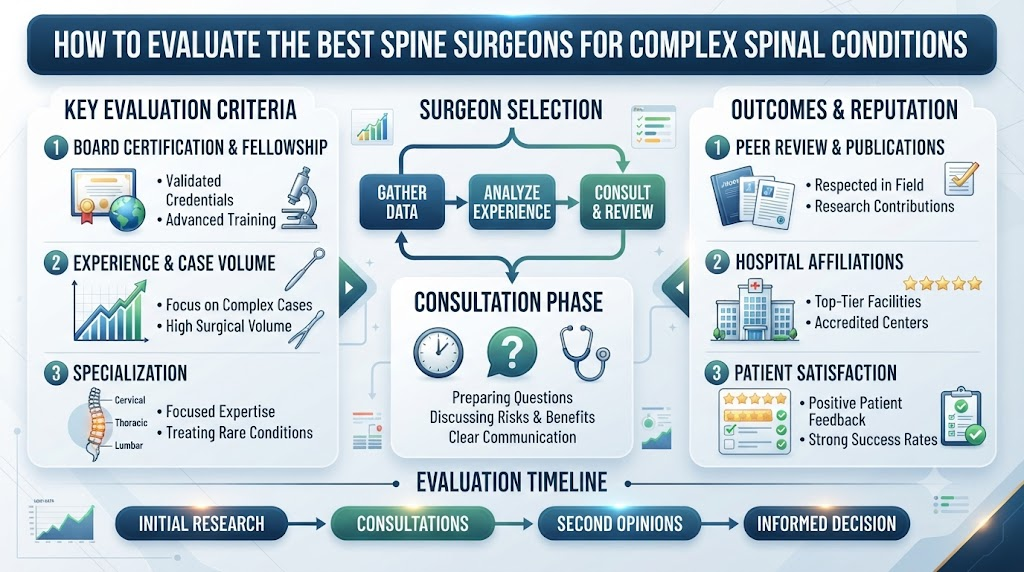
Dealing with persistent back pain, neck discomfort, or a complex spinal condition can feel overwhelming. Spine health impacts every aspect of daily life, from basic mobility to sleep quality, productivity, and overall well-being. Because the spine is an intricate network of bones, discs, nerves, and muscles, resolving a spinal issue often requires specialized medical expertise. When conservative treatments such as rest, basic exercise, or over-the-counter adjustments fail to provide relief, patients often find themselves facing a critical medical decision: where to seek specialized spine care.Choosing the right healthcare facility and specialist is an important step toward achieving better health outcomes. Spine problems range widely in severity, from temporary muscle strains and mild disc bulges to complex structural deformities like scoliosis or progressive conditions like spinal stenosis. Because no two spine conditions are identical, different problems require different types of specialized intervention. Some patients need dedicated physical rehabilitation and non-surgical pain management, while others require advanced surgical procedures performed by highly skilled teams.
Understanding Spine Care
To navigate treatment options effectively, it helps to understand what spine care encompasses and how various conditions affect the body. The spine serves as the primary structural support for the human body while protecting the spinal cord—the crucial pathway that transmits signals between the brain and the rest of the body. When structural or neurological issues affect the spine, the resulting symptoms can range from localized aching to severe radiating pain, numbness, or loss of mobility.
Several common conditions frequently prompt individuals to seek specialized spine evaluation:
- Back Pain and Neck Pain: These are among the most frequent medical complaints worldwide. While many instances resolve with time, chronic or severe pain can indicate underlying disc, joint, or nerve issues.
- Herniated or Slipped Discs: This occurs when the soft cushion between the vertebrae bulges or ruptures, potentially irritating nearby nerves and causing sharp pain, tingling, or weakness in the arms or legs.
- Spinal Stenosis: A narrowing of the spaces within the spine, which can put pressure on the spinal cord and nerves, frequently causing leg cramping, numbness, or difficulty walking.
- Scoliosis and Spinal Deformities: Abnormal curvatures of the spine that can affect posture, cause discomfort, and in severe cases, impact lung function or internal organs.
- Degenerative Spinal Conditions: Age-related wear and tear on the discs and facet joints, which can lead to osteoarthritis of the spine or spinal instability.
- Spinal Injuries and Trauma: Acute damage resulting from accidents, falls, or sports injuries that require immediate, specialized orthopedic or neurosurgical evaluation.
- Nerve-Related Spinal Problems: Issues like sciatica, where compression on specific spinal nerve roots causes sharp, radiating discomfort down the lower body.
Spine care is a broad medical field that spans multiple disciplines. Treatment plans are tailored to individual clinical findings and usually begin with conservative, non-surgical approaches wherever appropriate. Management may involve structured medical evaluations, diagnostic imaging such as MRIs or CT scans, targeted physical therapy, short-term medication, activity modification, and image-guided spinal injections. Surgery is generally considered only when conservative options fail to provide adequate relief, or when structural issues pose a risk of long-term nerve damage. Recognizing that many spinal conditions can be successfully managed without surgery allows patients to approach their options with a balanced, clear perspective.
What to Look for When Choosing the Best Spine Hospital
When researching facilities for diagnostic evaluation or ongoing treatment, several key factors distinguish a comprehensive healthcare center. Patients should evaluate facilities beyond basic surface impressions, examining clinical infrastructure, specialist qualifications, and patient care philosophies.
First, look for comprehensive diagnostic facilities. Accurate diagnosis is the cornerstone of effective spine treatment. High-quality centers feature advanced imaging technology, such as high-resolution MRI scanners, CT systems, digital X-rays, and electrodiagnostic equipment. Having access to state-of-the-art diagnostic tools on-site ensures that medical teams can pinpoint the precise origin of symptoms.
Second, evaluate the depth of specialized expertise and multidisciplinary collaboration. The best spine hospitals bring together multidisciplinary teams consisting of orthopedic spine surgeons, neurosurgeons, physiatrists (physical medicine and rehabilitation specialists), pain management physicians, physical therapists, and dedicated nursing staff. A collaborative approach ensures that patient cases are reviewed from multiple professional angles, reducing the likelihood of unnecessary surgical recommendations and optimizing non-surgical treatment plans.
How to Compare the Best Spine Surgery Hospitals
If conservative treatments prove insufficient and surgical evaluation becomes necessary, comparing specialized surgery centers requires an extra layer of scrutiny. Surgical procedures on the spine require extreme precision, specialized equipment, and highly trained personnel.
When evaluating hospitals that provide spine surgery, consider the following critical elements:
- Surgical Expertise and Case Volume: Specialized facilities that perform higher volumes of specific spine procedures often exhibit well-established clinical protocols, highly coordinated operating room teams, and refined postoperative workflows.
- Comprehensive Anesthesia and Perioperative Support: Spinal procedures require specialized anesthesia teams experienced in managing complex surgical cases, as well as dedicated intensive care units (ICU) or high-dependency units for postoperative monitoring when necessary.
- Advanced Intraoperative Technology: Leading surgical facilities utilize tools such as intraoperative neuromonitoring (IONM) to protect nerve function during surgery, as well as computer-assisted navigation systems that enhance surgical precision.
- Structured Preoperative and Postoperative Care: Quality surgical centers conduct thorough preoperative evaluations to clear patients for procedure safety and provide detailed, clear guidance regarding post-surgical recovery and rehabilitation schedules.
- Focus on Patient Education: Reputable surgical facilities prioritize teaching patients about their proposed procedure, potential risks, expected timelines, and alternative approaches, ensuring patients make informed choices.
Surgical suitability depends entirely on a patient’s specific diagnosis, health history, and physical evaluation. An exceptional surgical center will always emphasize thorough evaluation over immediate surgical intervention.
How to Choose the Best Hospital for Spine Surgery
Selecting a hospital for an upcoming procedure involves reviewing the facility’s clinical environment and support systems. When evaluating options, patients should feel confident that the institution can support their complete surgical journey—from preoperative planning through long-term recovery.
Begin by evaluating the hospital’s specific experience with your diagnosed condition. A facility highly regarded for general orthopedic procedures may not necessarily specialize in complex spinal reconstructive surgery or delicate intradural neurosurgery. Ensure the institution has established experience treating your specific condition.
Finding the Best Spine Hospital Near Me
Geographic convenience is an understandable priority when seeking medical treatment. Looking for local healthcare facilities allows for easier travel, simpler scheduling for follow-up appointments, and convenient access to rehabilitation sessions. Having family members and loved ones nearby during inpatient stays or recovery periods also provides essential emotional and practical support.
However, balancing physical location with clinical appropriateness is crucial. While convenience is important, the closest medical facility is not automatically the most suitable option for specialized spinal care. Basic back care or routine physical therapy can often be managed close to home, but complex spinal conditions, rare deformities, or intricate surgical procedures may warrant traveling to a regional specialized center.
When searching for local care options, consider a tiered approach:
- Routine Care and Evaluation: Initial consultations, standard imaging, and ongoing non-surgical physical therapy can often be conveniently conducted at local centers.
- Specialized Interventions: For complex surgical evaluations, revision surgeries, or specialized treatments, prioritizing clinical expertise, surgeon specialization, and hospital infrastructure over geographic proximity often yields better long-term clinical alignment.
- Follow-Up and Rehabilitation: Work with your medical team to see if long-term post-treatment follow-up and physical therapy can be coordinated closer to home even if a primary procedure is performed at a specialized regional hospital.
How to Find the Best Spine Surgeons
The skill, experience, and clinical judgment of your treating physician are foundational to receiving quality care. Finding a qualified spine specialist involves looking past superficial rankings or internet reviews to evaluate verified qualifications and practical experience.
Key criteria to consider when evaluating spine specialists include:
- Medical Credentials and Board Certification: Verify that the specialist is board-certified in orthopedic surgery or neurosurgery with formal fellowship training specifically dedicated to spine care.
- Specialized Experience: Ask about the specialist’s direct experience treating your specific condition. A surgeon who specializes primarily in degenerative lumbar spine care may have a different focus than one who specializes in cervical spine surgery or complex scoliosis reconstruction.
- Treatment Approach: A balanced specialist favors conservative, non-surgical approaches whenever clinically appropriate and reserves surgical recommendations for cases where clear indicators exist.
- Communication Style: Choose a doctor who listens carefully to your concerns, explains medical concepts in plain language, reviews diagnostic images with you directly, and addresses risks and limitations openly.
- Hospital Affiliations: The facilities where a surgeon holds privileges reflect their standing within the professional community and determine where your care will take place.
Finding the most appropriate doctor is an individualized process. The right specialist for one patient’s condition may not necessarily be the right fit for another’s distinct medical needs.
Understanding Spine Surgery Hospitals and Their Services
Specialized care centers bring a wide range of diagnostic, therapeutic, and surgical services together under one institutional roof. Understanding the scope of services available at a dedicated center helps patients know what to expect during their clinical care.
Services commonly provided by specialized facilities include:
- Comprehensive Diagnostic Imaging: Specialized X-ray systems, high-field strength MRI, CT scanning, and bone density assessments tailored for spinal evaluations.
- Specialist Consultations: Outpatient evaluations with orthopedic spine specialists, neurosurgeons, physiatrists, and pain management experts.
- Non-Surgical Interventions: Image-guided epidural steroid injections, facet joint injections, radiofrequency ablation, and custom medical bracing.
- Surgical Interventions: Comprehensive surgical facilities designed for procedures ranging from simple decompression to complex spinal fusion and deformity correction.
- Dedicated Pain Management: Specialized acute and chronic pain management support during inpatient stays and outpatient recovery.
- Physical Therapy and Rehabilitation: Specialized therapeutic gyms and movement laboratories staffed by physical therapists trained in spinal rehabilitation.
- Postoperative Monitoring and Follow-Up Care: Structured routine checkups, functional milestone evaluations, and long-term spine health assessments.
Available procedures and specialized tools vary among institutions. Choosing a facility that offers a full range of services ensures that care transitions smoothly as your treatment plan evolves.
Minimally Invasive Spine Surgery
Minimally invasive spine surgery (MISS) represents a significant development in surgical technique. Unlike traditional open procedures that require larger incisions and muscle separation, minimally invasive approaches utilize specialized tubular retractors, tiny cameras, and specialized surgical instruments to access the spine through smaller openings.
Potential aspects of minimally invasive approaches include:
- Smaller Incisions: Reduced skin incision sizes can lead to less disruption of overlying muscle and soft tissue.
- Targeted Tissue Access: Specialized instruments allow surgeons to create small pathways directly to the affected area of the spine.
- Focused Recovery: In appropriate candidates, less tissue disruption can contribute to reduced postoperative discomfort and slightly faster immediate hospital discharges.
It is critical to recognize that minimally invasive techniques are not suitable for every spinal condition. Complex deformities, extensive multi-level degenerative conditions, and certain emergency situations may still require traditional open surgical approaches to achieve the safest, most effective clinical result. Minimally invasive surgery is a set of specialized techniques, not a universal replacement for standard surgery. Suitability depends entirely on your anatomical findings, diagnosis, surgeon assessment, and overall health status.
Choosing the Best Hospital for Scoliosis Surgery
Scoliosis involves an abnormal side-to-side curvature and rotation of the spine. Treating scoliosis requires specialized expertise, as the condition varies widely depending on patient age, curve magnitude, progression risk, and structural severity.
When researching medical facilities for scoliosis management, consider the following key factors:
- Age-Specific Expertise: Scoliosis affects pediatric, adolescent, and adult populations differently. Ensure the medical facility features specialists dedicated specifically to pediatric spinal deformities or adult degenerative scoliosis based on patient age.
- Advanced Deformity Imaging: Diagnostic capabilities should include full-spine standing X-rays (EOS imaging) and specialized dynamic scans to map three-dimensional spinal curvature accurately.
- Comprehensive Care Options: Look for centers that offer non-surgical management, such as custom physical therapy (such as the Schroth method) and specialized bracing, alongside advanced surgical correction capabilities.
- Experienced Surgical Teams: Scoliosis surgery involves delicate spinal alignment and fusion techniques. Choose institutions with surgeons who possess deep experience in spinal deformity reconstruction.
- Long-Term Follow-Up Programs: Deformity care requires ongoing structural monitoring over months and years to ensure stability and proper healing.
Not every individual diagnosed with scoliosis requires surgical intervention; many individuals manage the condition effectively through regular monitoring, specialized exercise, and corrective bracing under professional guidance.
Choosing the Best Hospital for Slipped Disc Treatment
A herniated or “slipped” disc is a common source of sharp back pain, neck discomfort, and radiating symptoms such as sciatica. When a spinal disc bulges or ruptures, it can impinge upon adjacent nerve roots, producing localized pain, numbness, tingling sensations, or focal weakness in the extremities.
When evaluating facilities for herniated disc treatment, prioritize those offering a stepped approach to care:
- Initial Diagnostic Precision: Look for centers with advanced MRI capabilities to clearly identify the location, size, and nerve impact of the disc herniation.
- Emphasis on Conservative Care: The vast majority of slipped disc cases improve over time with conservative care. Top centers offer structured physical therapy, targeted anti-inflammatory regimens, activity guidance, and lifestyle modifications as initial treatment steps.
- Interventional Pain Management: When conservative steps need additional support, access to image-guided epidural injections can help manage local nerve inflammation while the body heals naturally.
- Surgical Precision for Unresolved Cases: If severe nerve compression persists, causes significant weakness, or fails to respond to conservative care, surgical options like microdiscectomy may be considered to relieve nerve pressure.
Prompt professional evaluation is essential if disc symptoms involve severe radiating pain, progressive leg or arm weakness, or any changes in bowel or bladder function.
What Makes the Best Spine Treatment Hospitals Different?
The distinction between an average healthcare center and a top-tier spine treatment hospital rests on integrated, high-quality care. Leading institutions stand out by focusing on comprehensive patient outcomes rather than isolated procedures.
Key distinguishing qualities of leading spine care centers include:
- Integrated Multidisciplinary Teams: Physicians, surgeons, physical therapists, and pain specialists work collaboratively, reviewing patient cases together to build balanced, multi-faceted care strategies.
- Focus on Diagnostic Accuracy: Investing time in thorough physical examinations and high-resolution imaging reduces misdiagnosis rates and prevents unnecessary medical interventions.
- Patient-Centered Decision Making: Encouraging patients to actively participate in decisions, providing realistic descriptions of outcomes, and respecting personal preferences foster trust and confidence.
- Robust Rehabilitation Programs: Prioritizing long-term functional physical therapy ensures patients rebuild core strength, regain flexibility, and protect their spine post-treatment.
- Standardized Quality and Safety Practices: Maintaining rigorous infection-control protocols, safety standards, and clear clinical management pathways minimizes risk and maximizes patient safety.
Selecting a hospital that reflects these values helps ensure your care is comprehensive, evidence-based, and focused on long-term functional health.
How to Prepare for a Spine Consultation
A initial consultation with a spine specialist is a valuable opportunity to gather information, understand your diagnosis, and establish a treatment path. Careful preparation ensures you make the most of your appointment time.
Bring Relevant Medical Records
Gather and bring all pertinent medical documentation to your appointment, including:
- Recent imaging files (actual MRI, CT, or X-ray discs) along with their corresponding written radiologist reports.
- Records or summary notes of previous non-surgical treatments, including physical therapy notes or injection records.
- A complete list of current prescription medications, over-the-counter supplements, and known allergies.
- Relevant medical history, including records of prior surgeries or major health conditions.
Describe Symptoms Clearly
Be ready to explain your symptoms concisely to the clinical team:
- When your symptoms first began and whether they appeared suddenly or gradually.
- The exact locations of pain, numbness, tingling, or weakness.
- Whether pain radiates down your arms or legs.
- Specific movements, positions, or daily activities that aggravate or relieve discomfort.
- How your symptoms affect your ability to work, sleep, move, and complete daily tasks.
Prepare Questions
Write down a list of priority questions before your visit to ensure you do not forget important details during your discussion.
Share Relevant Medical History
Provide an honest overview of your medical background, lifestyle factors, physical job demands, and previous treatments. Accurate health details help your specialist design safe, realistic treatment options tailored to your body.
Ask About Treatment Options
Inquire directly about all appropriate treatment avenues. Ask about non-surgical alternatives, physical therapy strategies, expected timelines, and what signs might indicate that a different clinical step is necessary.
Questions to Ask a Spine Surgeon
When meeting with a spine surgeon to discuss potential surgical options, clear questions help clarify your decision. Essential questions to consider asking include:
- What specific structural issue is causing my symptoms according to diagnostic tests?
- Are there non-surgical care options or lifestyle modifications we have not yet tried?
- What specific surgical procedure are you recommending, and why is it appropriate for my condition?
- What are the primary expected benefits of this procedure, and what are the potential risks or complications?
- Are there alternative surgical approaches, such as minimally invasive techniques, suitable for my situation?
- How many times have you performed this specific procedure?
- What will the immediate postoperative recovery process look like in the hospital?
- What type of physical therapy or rehabilitation will I need after the operation?
- How much time will I need to take off from work, driving, and daily activities?
- What should I expect regarding long-term outcome potential and ongoing spinal care?
Common Mistakes to Avoid When Choosing a Spine Hospital
When researching treatment options, avoiding common decision-making pitfalls helps ensure a safer, more effective healthcare experience.
- Relying Exclusively on Search Result Order: Assuming the first facility listed on a web search is automatically the highest quality can be misleading. Search positions reflect online marketing strategies rather than verified medical quality.
- Equating Cost with Quality: Assuming that the most expensive hospital guarantees the best clinical outcome is incorrect. Focus on verified specialist qualifications, infrastructure, and multidisciplinary care instead.
- Focusing Solely on Surgical Options: Overlooking non-surgical care, physical therapy, and lifestyle adjustments can lead to unnecessary procedures. Choose facilities that offer comprehensive conservative options.
- Ignoring Post-Treatment Rehabilitation: Underestimating the role of physical therapy and long-term rehabilitation can compromise surgical recovery. Ensure your chosen hospital offers structured post-treatment support.
- Selecting Specialists Without Relevant Experience: Failing to check whether a surgeon specializes in your specific spinal condition can result in less-targeted care.
- Relying Uncritically on Online Reviews: Depending entirely on anonymous online reviews rather than professional credentials and clinical evaluations can lead to skewed perceptions.
- Overlooking Travel Requirements: Forgetting to account for practical travel needs during follow-up appointments and physical rehabilitation can cause unnecessary logistical strain.
- Believing Unrealistic Claims: Trusting sources that guarantee complete pain elimination, instant recovery, or risk-free procedures should be avoided. Reputable medical professionals offer realistic, balanced guidance.
- Delaying Necessary Medical Evaluation: Prolonging needed clinical consultations while conducting endless online research can allow progressive symptoms or nerve issues to worsen.
How BestSpineHospitals Can Help Patients Research Their Options
Navigating healthcare systems, evaluating specialist credentials, and comparing facility capabilities can be time-consuming and confusing for patients and families. Platform platforms designed to simplify healthcare research can make this process far more manageable.
BestSpineHospitals serves as an informative, patient-focused research and comparison resource designed to help individuals evaluate spine care options clearly and systematically. Through the platform, patients can explore detailed information about:
- Specialized spine hospitals and regional healthcare centers.
- Board-certified orthopedic spine surgeons and neurosurgeons.
- Various spine treatments, surgical procedures, and conservative care programs.
- Medical centers specializing in specific conditions like scoliosis, herniated discs, or spinal stenosis.
By allowing users to organize their research based on location, specialist availability, specific treatment needs, and hospital expertise, BestSpineHospitals helps bridge the gap between patient concerns and clear medical information. The platform provides structured, educational insights to help patients prepare for consultations and make informed choices alongside qualified medical professionals.
The Role of Rehabilitation in Spine Care
Rehabilitation is an integral part of high-quality spine care, regardless of whether a patient undergoes surgical intervention or manages their condition conservatively. A healthy spine relies heavily on surrounding core musculature, ligament stability, flexibility, and proper movement mechanics to function without excessive strain.
Key elements of structured spinal rehabilitation include:
- Targeted Physical Therapy: Customized exercise programs designed to strengthen abdominal, back, and pelvic muscles, reducing pressure on spinal discs and joints.
- Posture and Movement Education: Guidance on proper lifting mechanics, sitting ergonomics, and daily posture adjustments to protect the spine from recurrent injury.
- Flexibility and Mobility Exercises: Controlled stretching routines to improve joint range of motion, relieve muscular tension, and support balanced biomechanics.
- Postoperative Physical Recovery: Guided, progressive physical rehabilitation programs designed to safely rebuild mobility, strength, and confidence following surgical procedures.
- Long-Term Maintenance Planning: Customized home exercise programs that empower patients to maintain core strength and manage spinal health independently.
Rehabilitation requirements and recovery timelines vary widely depending on individual diagnoses, physical condition, and treatment complexity. Working closely with dedicated physical therapists ensures that physical recovery progresses safely and effectively.
The Growing Role of Digital Healthcare Research
Digital technology has changed how individuals approach their personal healthcare management. Today, patients have access to vast educational resources, enabling them to understand health conditions, research treatment approaches, and evaluate provider credentials before stepping into a clinic.
Valuable developments in digital healthcare research include:
- Accessible Healthcare Directories: Structured online directories that allow patients to view physician profiles, hospital services, and clinical specialties in one place.
- Patient Education Portals: Informative articles, anatomical guides, and procedural descriptions that break down complex medical concepts into easy-to-understand language.
- Digital Consultation Tools: Online scheduling systems and communication channels that simplify booking evaluations and managing medical records.
- Remote Information Sharing: Convenient platforms for sharing diagnostic history and medical records with specialists prior to in-person consultations.
While digital research tools empower patients to become active participants in their health journey, online information should always complement—rather than replace—direct evaluation, physical examinations, professional diagnostic imaging, and personalized guidance from qualified healthcare specialists.
Frequently Asked Questions About Spine Hospitals and Spine Treatment
1.How Do I Choose the Best Spine Hospital?
Choosing a spine hospital involves assessing specialized expertise, diagnostic facilities, available non-surgical and surgical treatment options, rehabilitation services, and follow-up care. Look for institutions with multidisciplinary teams, verified safety practices, clear patient communication, and a location that allows for manageable follow-up visits.
2.What Should I Look for in the Best Spine Surgeons?
Focus on board certification, specialized fellowship training in spine care, demonstrated experience treating your specific condition, hospital affiliations, and clear communication habits. A qualified surgeon should explain diagnostic findings clearly, discuss both non-surgical and surgical options, and prioritize safety and evidence-based care.
3.How Can I Find the Best Spine Hospital Near Me?
Start by searching regional medical directories and healthcare research tools while considering travel distance, facility expertise, specialist availability, and available services. Balance geographic convenience with clinical quality, ensuring that the local facility meets the specific clinical demands of your diagnosed spinal condition.
4.When Is Spine Surgery Usually Considered?
Spine surgery is typically considered after non-surgical conservative treatments—such as physical therapy, targeted exercise, activity modification, and medical management—have failed to relieve persistent, debilitating symptoms over an adequate period, or when severe structural issues, progressive nerve compression, or functional loss make procedure-based intervention clinically necessary.
5.Is Minimally Invasive Spine Surgery Suitable for Everyone?
No, minimally invasive spine surgery is not suitable for every patient or condition. While it offers advantages such as smaller incisions and reduced muscle disruption for selected procedures, its appropriateness depends entirely on your diagnosis, anatomical factors, overall health, and a thorough assessment by a spine specialist.
6.How Do I Choose a Hospital for Scoliosis Treatment?
Look for facilities with specialized experience in spinal deformities, advanced full-spine diagnostic imaging capabilities, age-appropriate specialist teams (pediatric or adult), comprehensive non-surgical options like bracing and physical therapy, and experienced surgical reconstruction teams.
7.What Should I Consider When Choosing a Hospital for Slipped Disc Treatment?
Evaluate the facility’s diagnostic MRI capabilities, emphasis on initial non-surgical management, availability of interventional pain management therapies, surgical precision for severe cases, integrated rehabilitation programs, and continuous follow-up care.
8.Do All Spine Problems Require Surgery?
No, the majority of spine problems can be managed effectively through non-surgical methods such as structured physical therapy, medical care, targeted injections, and lifestyle adjustments. Surgery is reserved for specific cases where severe pain, nerve compression, or structural instability persists despite conservative treatment.
9.What Should I Bring to a Spine Consultation?
Bring all relevant diagnostic imaging files (MRI, CT, or X-rays) along with official written reports, records of prior treatments or physical therapy, a list of current medications and allergies, a copy of your medical history, and a written list of questions regarding your symptoms and options.
10.Can BestSpineHospitals Help Me Research Spine Hospitals and Surgeons?
Yes, BestSpineHospitals provides an informative research platform where patients can explore, evaluate, and compare spine hospitals, specialists, treatments, and procedures based on location, treatment requirements, and facility expertise, helping patients make well-informed healthcare choices.
Conclusion
Navigating spine health requires careful research, clear communication, and informed decision-making. Because spinal conditions vary greatly in complexity—ranging from mild back strain and herniated discs to structural deformities like scoliosis—finding the right clinical care tailored to your specific needs is essential. High-quality care relies on accurate diagnostic imaging, qualified spine specialists, comprehensive non-surgical and surgical treatment options, and dedicated rehabilitation programs.When evaluating your options, consider specialist credentials, multidisciplinary care standards, facility infrastructure, geographic convenience, and clear communication. Remember that conservative treatment remains the primary path for many conditions, with surgery reserved for cases where specific clinical indicators exist. Preparing thoroughly for consultations, asking informed questions, and taking advantage of reliable digital resources like BestSpineHospitals can help you feel confident throughout your research journey, ensuring you choose care that supports your long-term health, mobility, and well-being.