Introduction
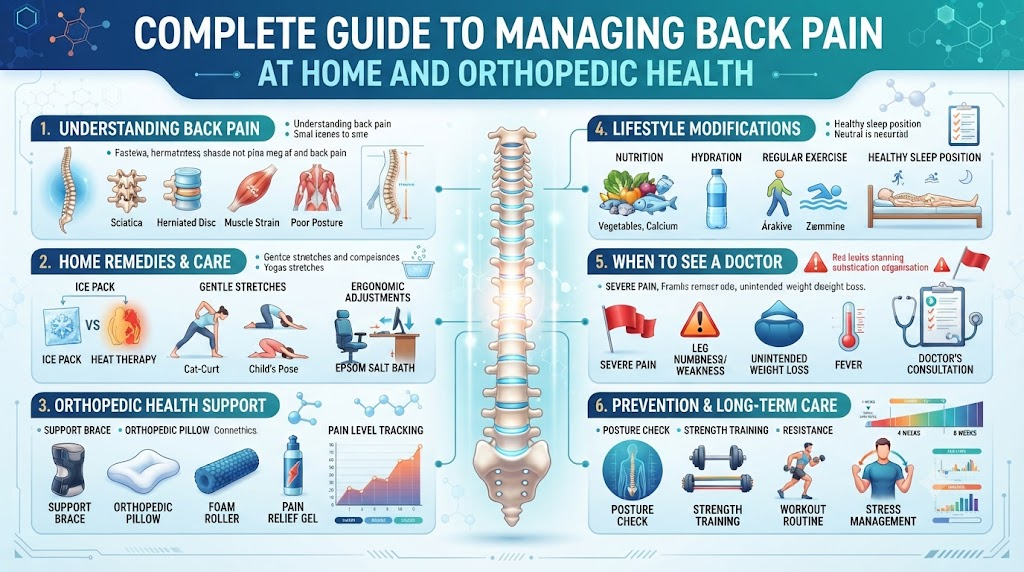
Back pain can significantly impact work, sleep, movement, and everyday activities, presenting unique challenges for individuals across all walks of life. Because back discomfort can stem from many different causes—ranging from muscular strain to postural stress—understanding how to navigate mild symptoms safely is vital. For mild or occasional back discomfort, appropriate self-care and gentle habits may sometimes improve comfort and promote recovery.However, home care is not suitable for every type of back pain, making it essential to recognize symptoms that require professional medical evaluation. For patients and families seeking reliable orthopedic guidance, platforms like BestOrthoHospitals provide valuable resources to help individuals explore medical information and understand musculoskeletal care. This comprehensive guide explores everything readers need to know about tips for managing back pain at home, from safe self-care approaches, posture adjustments, and ergonomic adjustments to recognizing warning signs that necessitate professional orthopedic care.
Understanding Back Pain
What Is Back Pain?
Back pain describes any ache, tension, or discomfort experienced anywhere along the spine, from the neck down to the tailbone.
Common Areas of Back Pain
- Lower Back Pain: Discomfort felt in the lumbar region, which is one of the most frequent areas affected by mechanical strain.
- Upper Back Pain: Aches occurring in the thoracic spine area, often related to posture or desk work.
- Mid-back pain: Discomfort situated between the upper and lower spine.
- Pain that may spread to nearby areas: Sensations that can radiate into the buttocks or thighs.
Acute vs. Chronic Back Pain
Acute back pain refers to sudden, short-term discomfort that typically lasts for a few days to weeks, whereas chronic back pain persists for longer periods, often lasting twelve weeks or more.
Why Back Pain Can Have Different Causes
Discomfort can stem from muscles, joints, spinal discs, nerves, poor posture, minor injuries, or other complex anatomical contributors.
The Importance of Proper Evaluation
Persistent or severe symptoms require professional assessment by a qualified healthcare professional to determine the exact underlying cause.
Common Causes of Back Pain
- Muscle Strain or Overuse: Stretching or tearing of muscle fibers due to unaccustomed exertion.
- Poor Posture: Slouching or holding unnatural positions for extended periods.
- Prolonged Sitting: Remaining seated without adequate breaks, which increases pressure on spinal structures.
- Repetitive Movements: Performing identical physical actions repeatedly without adequate recovery.
- Lifting and Physical Strain: Using improper lifting mechanics to handle heavy objects.
- Age-Related Changes: Natural wear and tear affecting spinal joints and discs over time.
- Disc-Related Problems: Bulging or herniated discs placing pressure on surrounding nerves.
- Joint Conditions: Degenerative changes in the facet joints of the spine.
- Nerve Irritation: Compression or inflammation of nerve pathways, such as the sciatic nerve.
- Previous Injuries: Residual effects from past physical trauma or accidents.
Only a qualified healthcare professional can accurately determine the specific cause of an individual’s back pain.
Safe Ways to Manage Mild Back Pain at Home
- Stay Gently Active: Keeping the body moving promotes blood flow and prevents stiffness.
- Avoid Prolonged Bed Rest: Extended bed rest can weaken muscles and slow recovery.
- Modify Pain-Aggravating Activities: Temporarily adjusting tasks that trigger discomfort.
- Use Supportive Posture: Maintaining neutral spine alignment during daily tasks.
- Take Regular Movement Breaks: Interrupting long periods of sitting or standing.
- Create an Ergonomic Work Area: Adjusting chair heights and computer screens to support comfort.
- Pace Daily Activities: Breaking physically demanding chores into manageable segments.
Activity recommendations differ depending on the underlying cause and severity of the pain.
Practical Home Strategies for Managing Mild Back Discomfort
| Home Care Strategy | General Purpose | Important Consideration |
| Gentle Movement | Encourages muscular flexibility and prevents joint stiffness. | Keep movements slow and avoid pushing through sharp pain. |
| Short Walking Breaks | Stimulates circulation and light muscular engagement. | Keep walks short and comfortable rather than exhausting. |
| Posture Awareness | Reduces uneven mechanical stress on spinal discs and joints. | Check alignment frequently throughout work and rest periods. |
| Activity Modification | Prevents aggravation of sensitive soft tissues. | Temporarily pause heavy lifting or twisting tasks. |
| Heat Therapy | Relaxes tense muscles and improves local tissue blood flow. | Use moderate temperatures and protect the skin from burns. |
| Cold Therapy | Helps calm acute localized inflammation and minor swelling. | Apply ice wrapped in a cloth for short intervals only. |
| Supportive Sitting Position | Maintains natural lumbar curves during seated tasks. | Utilize an ergonomic chair or lumbar support cushion. |
| Sleep Position Adjustments | Relieves nocturnal pressure on spinal joints and muscles. | Use pillows between knees or under legs for comfort. |
| Regular Movement Breaks | Combats the negative effects of prolonged static posture. | Stand up, stretch, and walk briefly every hour. |
| Stress Management | Reduces secondary muscle tension caused by mental stress. | Practice deep breathing or relaxation techniques daily. |
Home strategies may help ease mild back discomfort, but they are not a substitute for medical assessment when symptoms are severe, persistent, unexplained, or worsening. Relying solely on home care for complex issues can delay necessary diagnosis.
When home measures fail to provide gradual improvement, consulting an orthopedic professional ensures that any hidden structural issues are identified and addressed safely.
Heat and Cold Therapy for Back Pain
- When Heat May Feel Helpful: Heat application is often used to relax tight, spastic muscles and improve blood circulation to stiff areas.
- When Cold May Feel Helpful: Cold packs can be useful immediately following a minor strain to help numb discomfort and minimize localized swelling.
- Using Heat or Cold Safely: Limiting applications to fifteen to twenty minutes at a time prevents skin damage.
- Protecting the Skin: Always placing a cloth barrier between an ice pack or heating pad and bare skin.
- Understanding Individual Responses: People react differently to thermal therapies, so choose whichever method provides comfortable relief.
Gentle Movement and Physical Activity
- Why Movement May Be Helpful: Controlled movement nourishes spinal tissues and prevents muscle atrophy.
- Walking and Everyday Activity: Light walking is an accessible way to maintain basic mobility.
- Avoiding Prolonged Inactivity: Remaining completely sedentary often prolongs recovery times.
- Gentle Stretching: Simple, pain-free stretches can relieve tension in the lower back and hamstrings.
- Core and Back Strengthening: Building supportive abdominal and back muscles under proper guidance.
- When to Stop an Activity: Immediately stopping any movement that causes sharp or radiating pain.
Exercises should always match the individual’s specific condition and may require professional guidance from a physical therapist.
Improving Posture During Daily Activities
- Sitting Posture: Keeping feet flat on the floor, hips back in the chair, and maintaining natural spinal curves.
- Standing Posture: Distributing body weight evenly across both feet and avoiding slumping.
- Working at a Desk: Positioning monitors at eye level and keeping keyboards close to avoid reaching.
- Using a Mobile Phone: Lifting devices closer to eye level rather than bending the neck and upper back downward.
- Lifting Everyday Objects: Bending at the knees and hips, keeping loads close to the body, and avoiding twisting while lifting.
- Taking Regular Breaks: Changing positions frequently to prevent muscular fatigue.
Managing Back Pain While Sleeping
- Choosing a Comfortable Sleep Position: Selecting a posture that minimizes spinal twisting and strain.
- Back Sleeping: Placing a pillow beneath the knees to maintain the lower back’s natural curve.
- Side Sleeping: Placing a supportive pillow between the knees to keep the pelvis aligned.
- Pillow Support: Ensuring head pillows support the neck without pushing the head upward.
- Mattress Comfort and Support: Using a mattress that supports spinal alignment without sagging excessively.
- Getting Out of Bed Carefully: Rolling onto your side and using your arms to push yourself up into a seated position.
The ideal sleeping position varies from person to person based on personal comfort and physical needs.
Lifestyle Habits That May Affect Back Health
- Physical Activity: Regular, low-impact exercise strengthens the musculoskeletal framework.
- Body Weight: Carrying excess weight increases mechanical load on the lower spine.
- Smoking and Musculoskeletal Health: Nicotine impairs blood flow to spinal discs, potentially delaying healing.
- Stress and Muscle Tension: Mental stress frequently manifests as physical tightness in the back and shoulders.
- Sleep Quality: Restorative sleep is essential for tissue recovery and pain modulation.
- Daily Movement Patterns: Incorporating ergonomic habits into daily routines protects spinal health.
- Balanced Nutrition: Providing essential nutrients supports bone and muscle maintenance.
Lifestyle modifications support overall wellness, though they cannot cure every underlying cause of back pain.
Back Pain and Work
- Office and Desk Work: Organizing workspaces to minimize postural strain during long hours.
- Long Hours of Sitting: Utilizing sit-stand desks or setting alarms to take movement breaks.
- Physically Demanding Jobs: Practicing safe lifting mechanics and pacing strenuous tasks.
- Repetitive Movements: Varying physical tasks when possible to reduce overuse injuries.
- Safe Work Habits: Utilizing lifting aids and teamwork for heavy loads.
- Discussing Workplace Adjustments: Requesting ergonomic evaluations or modified duties from employers when necessary.
Understanding When Home Care May Not Be Enough
| Situation or Symptom | General Approach | Why Professional Evaluation May Be Needed |
| Mild, Recent Back Discomfort | Apply self-care, rest briefly, and use gentle movement. | Helps manage minor muscular strain without medical intervention. |
| Pain That Continues or Worsens | Reassess symptoms and consult a healthcare provider. | Persistent pain may indicate underlying disc or joint issues. |
| Pain After a Significant Injury | Seek immediate professional assessment. | Rules out fractures, severe ligament tears, or acute trauma. |
| Pain With Numbness or Weakness | Promptly schedule an evaluation with a specialist. | Suggests potential nerve root compression or neurological impact. |
| Pain Affecting Daily Activities | Review limitations and seek guidance from a clinician. | Ensures proper diagnosis and prevents prolonged functional decline. |
| Unexplained Severe Pain | Contact a medical professional for thorough screening. | Severe pain without a clear mechanical cause requires investigation. |
| Back Pain With Fever or Feeling Very Unwell | Seek urgent medical evaluation immediately. | Can signal underlying systemic infection or inflammatory conditions. |
| Changes in Bladder or Bowel Control | Go to an emergency medical facility right away. | Indicates cauda equina syndrome, a serious medical emergency. |
| Sudden Major Loss of Strength | Seek immediate emergency professional assessment. | Points to acute neurological compromise requiring urgent care. |
| Other Serious or Rapidly Worsening Symptoms | Consult a physician or emergency services promptly. | Ensures rapid identification of critical underlying pathologies. |
Warning signs can indicate conditions requiring prompt medical assessment. Ignoring these red flags can lead to delayed diagnoses and prolonged or permanent complications.
When symptoms involve neurological changes, systemic illness, or severe trauma, immediate professional evaluation is non-negotiable.
When Should You See an Orthopedic Specialist?
- Persistent Back Pain: Discomfort that does not improve after several weeks of careful home management.
- Recurrent Pain: Back pain that repeatedly flares up and interferes with daily life.
- Pain Affecting Daily Activities: Limitations in working, walking, or caring for oneself.
- Pain After an Injury: Discomfort following a fall, car accident, or sports trauma.
- Numbness or Weakness: Sensations of tingling, pins and needles, or muscular weakness in the limbs.
- Pain That Does Not Improve With Appropriate Care: Lack of progress despite following basic self-care routines.
- Need for a Personalized Rehabilitation Program: Seeking expert guidance for structured recovery and core strengthening.
An orthopedic specialist or qualified healthcare provider evaluates the underlying mechanical and structural causes of pain to formulate targeted care plans.
Warning Signs That Require Urgent Medical Evaluation
Certain serious symptoms require prompt or emergency professional evaluation:
- Sudden severe back pain following significant trauma or accidents.
- New or worsening muscular weakness in the legs or feet.
- Numbness in the groin, buttocks, or inner thighs (saddle anesthesia).
- New loss of bladder or bowel control.
- Severe pain accompanied by fever, chills, or unexplained weight loss.
- Rapidly worsening symptoms that defy normal self-care measures.
- Other major neurological changes such as sudden balance loss.
These symptoms can stem from various serious medical causes and demand immediate professional attention.
Common Mistakes People Make When Managing Back Pain at Home
- Staying in Bed for Too Long: Prolonged bed rest weakens muscles and delays overall recovery.
- Ignoring Persistent Pain: Hoping that severe or ongoing discomfort will vanish on its own.
- Returning to Heavy Activity Too Quickly: Resuming intense workouts or heavy lifting before tissues have healed.
- Using Poor Lifting Techniques: Bending from the waist instead of the knees when handling objects.
- Trying Too Many Exercises Without Guidance: Performing complex stretches or movements that aggravate pain.
- Ignoring Workplace Ergonomics: Maintaining poor seating and desk setups day after day.
- Self-Medicating Without Professional Advice: Relying excessively on over-the-counter remedies without understanding underlying causes.
- Stopping Prescribed Treatment Without Consulting a Professional: Discontinuing physical therapy or medical advice prematurely.
Approaching these challenges with patience and self-compassion supports a much safer healing journey.
Real-Life Patient Scenarios
Disclaimer: The following patient scenarios are hypothetical examples illustrating typical clinical pathways in back care and do not constitute personal medical advice.
Scenario 1: Desk-Related Lower Back Discomfort
An office worker experiences dull lower back tension after sitting through long computer sessions. Following general self-care advice, they introduce an ergonomic lumbar cushion, take short hourly walking breaks, and perform gentle daily stretches to relieve muscular stiffness.
Scenario 2: Back Pain After Physical Overexertion
An individual strains their lower back while lifting heavy boxes during a home move. They modify their physical activities, apply intermittent cold packs for initial soreness, and allow their back a few days of gentle movement before gradually returning to routine tasks.
Scenario 3: Persistent Back Pain Affecting Daily Activities
A person experiences ongoing lower back ache that persists for over a month and begins interfering with sleep and light housework. Recognizing that home care alone is no longer sufficient, they schedule an orthopedic evaluation to identify the mechanical source of the discomfort.
Scenario 4: Back Pain With New Neurological Symptoms
An individual develops sudden severe back pain accompanied by noticeable weakness in one foot and numbness down the leg. Recognizing critical warning signs, they seek immediate emergency medical evaluation for specialized neurological assessment.
The Future of Back Pain Management
The management of musculoskeletal health continues to evolve through technological and clinical innovations. Personalized rehabilitation programs tailor exercises to individual genetic and biomechanical profiles. Digital physical therapy platforms and remote monitoring tools allow clinicians to track patient progress outside the clinic.
Wearable technology and AI-supported movement analysis help identify faulty movement patterns before injuries occur. Furthermore, advanced imaging diagnostics and multidisciplinary pain management models provide deeper insights into chronic back conditions. These advancements offer encouraging tools, though they serve to support expert clinical judgment rather than replace professional care.
Frequently Asked Questions (FAQ)
1. What is the best way to manage mild back pain at home?
Mild back pain is often managed safely by staying gently active, avoiding prolonged bed rest, using appropriate heat or cold therapy, maintaining good posture, and modifying pain-aggravating activities.
2. Should I rest in bed when my back hurts?
Extended bed rest is generally discouraged because it can lead to muscle weakening and stiffness. Short periods of rest are acceptable, but gentle movement and short walks promote faster recovery.
3. Is walking good for back pain?
Yes, short and comfortable walking sessions encourage gentle muscular engagement, stimulate blood flow, and help prevent spinal stiffness without overloading the back.
4. Should I use heat or cold for back pain?
Cold therapy is often helpful immediately following a minor strain to calm localized inflammation, while heat therapy works well later to relax tight, spastic muscles and improve blood flow.
5. Can poor posture cause back pain?
Yes, slouching, leaning forward, or holding unnatural postures for extended periods places uneven mechanical stress on spinal discs, joints, and supporting muscles, frequently leading to discomfort.
6. What sleeping position is best for back pain?
Sleeping on your back with a pillow beneath your knees or on your side with a pillow between your knees helps maintain the spine’s natural curves and reduces nocturnal muscle tension.
7. Can sitting all day make back pain worse?
Prolonged sitting increases pressure on the lumbar spinal discs and weakens core support muscles over time, which can trigger or exacerbate back discomfort.
8. When should I see a doctor for back pain?
You should see a doctor if your back pain persists for more than a few weeks, worsens over time, recurs frequently, or interferes significantly with your daily activities and sleep.
9. When is back pain considered an emergency?
Back pain is an emergency when it is accompanied by progressive leg weakness, loss of bladder or bowel control, numbness in the groin area, high fever, or follows major physical trauma.
10. Can stress contribute to back discomfort?
Yes, emotional stress often manifests physically as chronic muscle tension, particularly in the neck, shoulders, and lower back, amplifying pain perception.
11. Should I exercise when I have back pain?
Gentle, low-impact exercise approved by a healthcare professional is usually beneficial, but you should avoid high-intensity workouts or movements that cause sharp or radiating pain.
12. Can weight affect back health?
Carrying excess body weight increases the mechanical load on the lower spine and supporting structures, which can contribute to chronic back strain.
13. Why does back pain keep coming back?
Recurrent back pain often stems from unaddressed contributing factors such as poor posture, weak core muscles, improper lifting habits, or unresolved mechanical issues.
14. Can an orthopedic specialist help with chronic back pain?
Yes, an orthopedic specialist can diagnose the exact structural cause of chronic back pain and recommend targeted treatments, physical therapy, or rehabilitation plans.
15. How can I prevent back pain from returning?
You can help prevent back pain by maintaining a healthy lifestyle, exercising regularly to strengthen core muscles, practicing good ergonomics, and using safe lifting mechanics.
Final Thoughts
Navigating back discomfort requires a balanced understanding of safe self-care approaches and professional medical boundaries. Recognizing that mild discomfort often responds well to gentle movement, proper posture, and appropriate thermal therapy empowers individuals to manage minor strains effectively. However, appreciating that home care is not suitable for every situation is equally critical for long-term health and safety.Recognizing red flags—such as neurological deficits, trauma, or persistent, worsening pain—ensures that patients seek timely professional evaluation from qualified orthopedic specialists. Tailored treatment plans, physical therapy, and individualized rehabilitation offer powerful pathways toward restoring mobility and functional independence.