Introduction
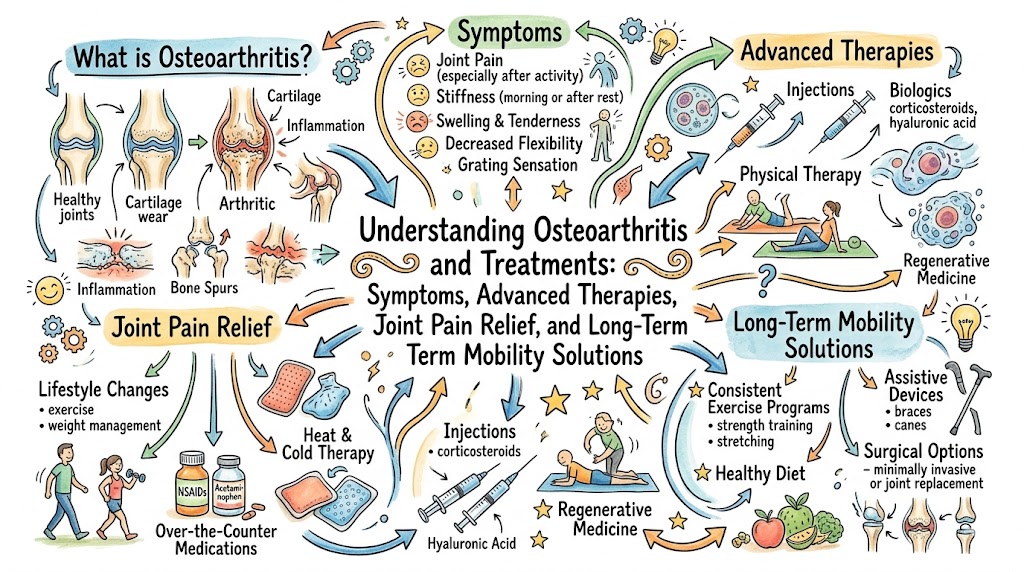
Joint health is the cornerstone of an active, fulfilling life. When you experience persistent discomfort, finding clarity is the first step toward recovery. At BestOrthoHospitals, we bridge the gap between patients and specialized care, helping you compare top-tier orthopedic hospitals, connect with expert surgeons, and access the latest treatment information tailored to your specific needs.Understanding osteoarthritis and treatments is essential for anyone navigating the challenges of joint degeneration. Whether you are dealing with chronic knee stiffness or hip discomfort, early intervention is the gold standard for preserving your quality of life. In this comprehensive guide, we explore the nuances of this condition and how modern orthopedic care can help you regain your mobility.
What Is Osteoarthritis?
Osteoarthritis (OA) is the most common form of arthritis, often referred to as “wear-and-tear” arthritis. It occurs when the protective cartilage that cushions the ends of your bones wears down over time. While it can damage any joint, it most commonly affects joints in your hands, knees, hips, and spine.
Unlike inflammatory types of arthritis, OA is primarily degenerative. As the cartilage erodes, the bones may begin to rub against each other, causing pain, swelling, and a loss of motion.
Causes and Risk Factors
Understanding the “why” behind joint degeneration helps in prevention and management. Key factors include:
- Aging: The risk increases as you get older.
- Joint Injury: Previous injuries, such as those from sports or accidents, increase the likelihood of OA.
- Obesity: Excess weight puts extra stress on weight-bearing joints like the hips and knees.
- Genetics: Some people inherit a predisposition to OA.
- Repetitive Stress: Jobs or activities that place constant stress on a joint.
- Bone Deformities: Issues with bone structure or cartilage health from birth.
Common Symptoms of Osteoarthritis
Recognizing symptoms early can significantly change the trajectory of your joint health.
Table 1: Common Symptoms of Osteoarthritis
| Symptom | Description | Impact on Daily Life |
| Joint Pain | Ache or soreness during or after movement. | Limits physical activity and participation in hobbies. |
| Stiffness | Most noticeable upon waking or after inactivity. | Makes simple tasks like getting out of bed difficult. |
| Swelling | Soft tissue inflammation around the joint. | Causes discomfort and reduces range of motion. |
| Reduced Flexibility | Inability to move the joint through its full range. | Affects balance and ability to perform daily chores. |
| Tenderness | Sensitivity to light pressure on the joint. | Causes pain when performing routine tasks. |
How Osteoarthritis Is Diagnosed
Diagnosis requires a combination of clinical evaluation and diagnostic imaging.
- Physical Examination: An orthopedic specialist will check for tenderness, swelling, and range of motion.
- X-rays: The primary tool to visualize cartilage loss, bone spurs, and joint space narrowing.
- MRI Scans: Used to get detailed images of soft tissues, including cartilage and ligaments.
- Laboratory Tests: Blood tests or joint fluid analysis are sometimes used to rule out other forms of arthritis like rheumatoid arthritis or gout.
Understanding Disease Progression
OA typically advances in stages, starting with minor cartilage thinning (Grade 1) and potentially progressing to bone-on-bone contact (Grade 4). Early detection allows for conservative management, which is significantly more effective than waiting until the disease is advanced.
Non-Surgical Treatment Options
Before considering surgery, most patients benefit from a structured conservative care plan.
Table 2: Treatment Options for Osteoarthritis
| Treatment | Purpose | Benefits |
| Physical Therapy | Strengthen muscles and improve range. | Increases stability and reduces joint load. |
| Weight Management | Reduce pressure on joints. | Decreases pain and prevents further cartilage wear. |
| Medications | Manage inflammation and pain. | Provides immediate symptom relief. |
| Joint Injections | Lubricate and soothe the joint. | Temporarily restores mobility and comfort. |
Surgical Treatment Options
When conservative measures no longer provide adequate pain relief or functional improvement, surgical intervention may be recommended.
- Arthroscopy: Minimally invasive surgery to remove debris or repair damaged tissue.
- Osteotomy: Realignment of bone to shift weight away from a damaged area.
- Joint Replacement Surgery: Replacing the damaged joint surfaces with high-quality artificial components (prosthetics). This is often the “gold standard” for severe, end-stage OA.
Benefits of Early Treatment
Early intervention focusing on understanding osteoarthritis and treatments can prevent the need for more invasive procedures. By managing weight, staying active, and controlling inflammation, patients often slow the progression of cartilage loss, preserving their natural joint function for years longer.
Lifestyle Changes for Better Joint Health
- Low-Impact Activity: Swimming, cycling, and walking are excellent for joint health.
- Ergonomics: Use supportive footwear and furniture to minimize joint stress.
- Stress Management: Chronic stress increases systemic inflammation.
- Rest: Balancing activity with adequate rest to allow joint healing.
Best Exercises for Osteoarthritis Patients
Movement is medicine for stiff joints.
Table 3: Recommended Exercises for Osteoarthritis
| Exercise | Benefits | Frequency |
| Swimming | Non-weight bearing, builds muscle. | 3x per week |
| Static Stretching | Improves flexibility and reduces stiffness. | Daily |
| Strength Training | Supports the joint with stronger muscles. | 2-3x per week |
Nutrition and Bone Health
Your joints rely on a nutrient-dense diet to fight inflammation. Focus on:
- Omega-3 Fatty Acids: Found in fish and flaxseeds to reduce inflammation.
- Calcium and Vitamin D: Essential for bone density.
- Antioxidant-Rich Foods: Berries and leafy greens to combat oxidative stress.
Managing Daily Activities with Osteoarthritis
Use adaptive tools, such as reachers, elevated toilet seats, or ergonomic kitchen utensils, to reduce strain on your joints during daily tasks. Planning your day to include frequent, short breaks can also prevent flare-ups.
Preventing Disease Progression
Focus on maintaining a healthy weight, avoiding high-impact repetitive stress, and treating minor joint injuries immediately rather than “working through the pain.”
Mental and Emotional Well-Being
Chronic pain can impact mental health. Practices like mindfulness, meditation, or joining support groups can help you maintain a positive outlook while managing the physical symptoms of arthritis.
Common Myths vs Facts About Osteoarthritis
- Myth: Exercise makes arthritis worse.
- Fact: Inactivity causes muscles to weaken, which leads to more joint pain.
- Myth: Only the elderly get osteoarthritis.
- Fact: Injuries and genetics mean younger people can also develop the condition.
Latest Innovations in Orthopedic Care
- Regenerative Medicine: Stem cell and PRP therapies are being explored for cartilage repair.
- Robotic-Assisted Surgery: Provides unparalleled precision in joint replacements, leading to faster recovery times.
- Biologic Scaffolds: Advanced materials designed to support natural tissue growth.
Future of Orthopedic Care
The future lies in personalized medicine, where treatment plans are based on your genetic profile and specific disease markers, ensuring the right intervention at the right time.
Expert Recommendations
- Stay active, but prioritize low-impact movements.
- Monitor your weight to protect your knees and hips.
- Do not ignore chronic pain; seek an early evaluation.
- Keep your muscles strong—they are your joints’ best support system.
Patient Self-Care Checklist
Checklist 1: Daily Joint Maintenance
- Perform 10 minutes of gentle range-of-motion stretches.
- Ensure you are hydrated.
- Check your posture while sitting or standing.
- Use heat or cold therapy as needed for discomfort.
Checklist 2: Long-Term Success
- Schedule an annual orthopedic check-up.
- Maintain a journal to track pain triggers.
- Optimize your diet for anti-inflammatory benefits.
- Review your exercise plan with a physical therapist.
Benefits of Rehabilitation Programs
Rehabilitation is not just for post-surgery; it is a critical component of non-surgical management. A structured program helps you relearn proper movement patterns, corrects muscle imbalances, and builds the endurance necessary to remain active.
Key Takeaways
- Osteoarthritis is manageable, especially with early detection.
- Physical activity is essential—do not stay sedentary due to fear of pain.
- Non-surgical options like weight management and physical therapy are highly effective.
- Modern surgery offers high success rates for restoring function when conservative options fail.
Role of Technology in Osteoarthritis Management
From wearable devices that track your gait and activity levels to advanced diagnostic AI that analyzes X-rays for microscopic changes, technology is empowering patients to take an active role in their treatment.
Long-Term Joint Preservation Strategies
Preservation is about protecting the cartilage you have left. This involves a combination of weight control, avoiding activities that cause “clicking” or sharp pain, and ensuring that any systemic inflammation is well-controlled.
Patient Success Factors for Better Mobility
Successful outcomes are almost always linked to patient adherence to physical therapy and lifestyle modifications. Those who take ownership of their health and maintain consistent, low-impact exercise regimes tend to report higher satisfaction and better mobility.
Future Innovations in Arthritis Care
Expect to see more focus on “Cartilage Regeneration” rather than just replacement. Gene therapy and advanced biochemical markers are currently in clinical trials, aiming to stop the degradation process before it requires surgery.
Frequently Asked Questions
- Can osteoarthritis be cured? Currently, no, but it can be effectively managed.
- What is the best exercise for knee OA? Swimming and cycling.
- Does cracking knuckles cause arthritis? No, there is no evidence for this.
- Is heat or ice better? Heat for stiffness, ice for inflammation.
- How can I prevent OA? Maintain weight and stay active.
- Are supplements effective? Glucosamine and chondroitin help some, but consult a doctor.
- Is surgery always necessary? No, most patients find relief without it.
- How long does a joint replacement last? Often 15–20+ years.
- Can diet help? Yes, an anti-inflammatory diet is very effective.
- What is the first sign of OA? Occasional joint stiffness.
- Does weather affect joints? Yes, many feel more pain during pressure changes.
- Is OA hereditary? It can be, but it’s not guaranteed.
- How often should I see a doctor? Annually or if pain worsens.
- Is yoga good for arthritis? Yes, if done gently.
- What is “bone-on-bone” arthritis? The final stage where cartilage is gone.
- Do I need an MRI? Only if your doctor needs more soft-tissue detail.
- Can I still play sports? Yes, but low-impact ones are preferred.
- What is the most effective pain relief? A combination of physical therapy and NSAIDs.
- Will I need a wheelchair? Extremely rare with modern treatment.
- Where can I find the best care? Visit BestOrthoHospitals.com.
Conclusion
Understanding osteoarthritis and treatments is a journey that requires patience, consistency, and expert guidance. As we have explored throughout this guide, osteoarthritis is far more than just “getting old”—it is a complex condition involving cartilage degradation that can be significantly slowed or managed through proactive health decisions. By integrating non-surgical interventions like physical therapy, weight management, and targeted nutrition, patients can often regain substantial function and comfort.The importance of early diagnosis cannot be overstated. By catching the early signs of joint degeneration—whether it be subtle morning stiffness or reduced flexibility—you open the door to conservative treatments that preserve the integrity of your joints. When these methods are no longer sufficient, modern orthopedic advancements, such as robotic-assisted joint replacement and minimally invasive arthroscopy, offer life-changing results that can restore your ability to live without the constraints of chronic pain.