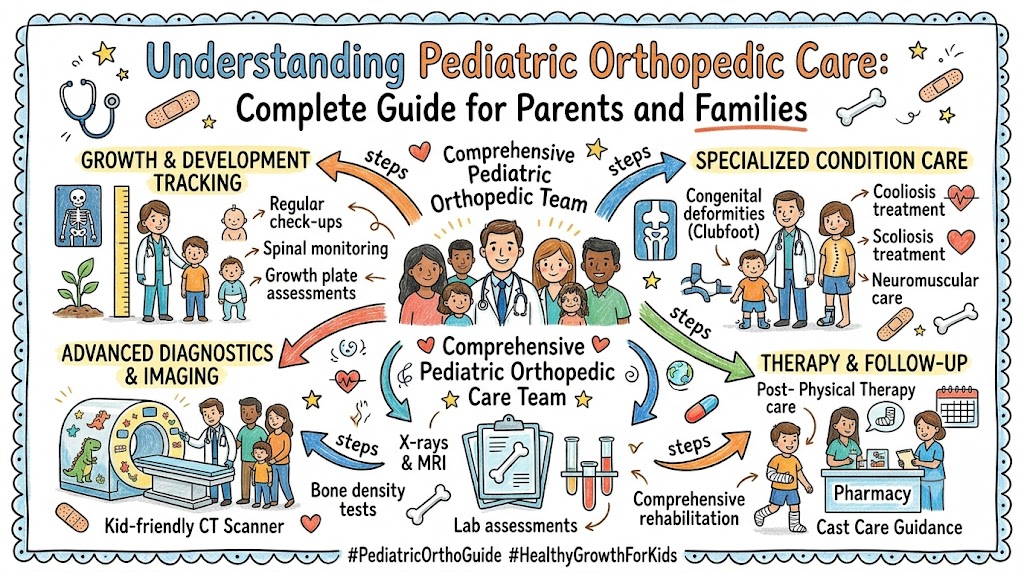
Introduction
Watching your child grow, run, and explore the world is one of the greatest joys of parenthood. From those first unsteady steps to the high-energy movements of a teenager, your child’s skeleton is constantly changing and adapting. However, during these critical years of development, orthopedic conditions can arise that require specialized medical attention. Ensuring that your child’s bones, joints, and muscles develop correctly is vital for their long-term health and mobility.Pediatric orthopedic care is a specialized field dedicated to treating the unique musculoskeletal needs of infants, children, and adolescents. Unlike adults, children have growing bones, which means their injuries and conditions must be managed with a focus on future development. Choosing the right care early on can make all the difference in your child’s ability to live an active, pain-free life.In this guide, we will walk you through the world of pediatric orthopedics, helping you understand common conditions, treatment options, and what to look for in a care provider. If you are seeking expert guidance for your child’s bone and joint health, you can find trusted resources and specialized care options at BestOrthoHospitals to help your family navigate this journey with confidence. Let’s explore how to provide the best support for your child’s growing body.
Quick Answer
Pediatric orthopedic care focuses on the diagnosis, treatment, and management of bone, joint, and muscle disorders in children from infancy through adolescence. Because children have growth plates and developing skeletons, their care requires specialists trained in pediatric-specific techniques. Children may need an evaluation for issues such as persistent joint pain, abnormal walking patterns, scoliosis, or sports-related injuries. Early intervention by a pediatric orthopedic specialist ensures that conditions are managed appropriately, promoting healthy growth, preventing long-term complications, and restoring function as quickly as possible.
Understanding Pediatric Orthopedic Care
What Is Pediatric Orthopedic Care?
Pediatric orthopedic care is a medical subspecialty focused on managing the musculoskeletal systems of young people. It covers everything from congenital conditions present at birth to injuries sustained on the playground.
Why Children Need Specialized Orthopedic Treatment
Children are not just miniature adults. Their bones are more flexible, they have unique centers of bone growth called growth plates, and their bodies heal differently. Specialized pediatric orthopedists are trained to consider these factors.
How Children’s Bones Differ From Adult Bones
Children’s bones are actively growing. They contain cartilaginous growth plates that allow for bone elongation. Damage to these plates during the growing years can lead to limb length differences or deformities if not treated by an expert.
Importance of Growth and Development Monitoring
Because a child’s body is in a constant state of flux, specialists do not just fix the current problem; they monitor the child over time to ensure that the treatment remains effective as the child grows larger.
Benefits of Early Diagnosis and Treatment
Many pediatric orthopedic conditions, such as hip dysplasia or scoliosis, are significantly easier to treat when caught early. Early intervention often prevents the need for invasive surgery later in life.
Common Pediatric Orthopedic Conditions
Clubfoot
Clubfoot is a birth defect where the foot is twisted out of shape or position. With proper casting or bracing in infancy, most children can go on to walk normally.
Scoliosis
Scoliosis is an abnormal sideways curvature of the spine. While it often develops in adolescence, early screening allows for bracing or physical therapy to prevent the need for surgical correction.
Developmental Dysplasia of the Hip (DDH)
DDH occurs when the hip socket does not fully cover the ball of the upper thighbone. Early detection in infants often allows for simple bracing to correct the socket development.
Flat Feet
While many children have flat feet, most outgrow them. However, if flat feet cause pain or interfere with walking, a pediatric orthopedist can provide supportive orthotics.
Limb Length Differences
Differences in the length of a child’s legs can result from congenital issues or previous injuries. Orthopedists monitor these differences to decide if intervention is needed to equalize them.
Fractures in Children
Children sustain different types of fractures than adults, such as buckle or greenstick fractures. These require specialized care to ensure the bone heals straight and growth is not stunted.
Sports-Related Injuries
Active children are prone to sprains, strains, and tendonitis. Pediatric orthopedists understand the specific biomechanics of a child’s body, helping them recover and return to sports safely.
Growth Plate Injuries
Because growth plates are the weakest part of a child’s skeleton, they are susceptible to injury. Proper diagnosis is essential to ensure the child continues to grow symmetrically.
Signs a Child May Need Orthopedic Evaluation
Persistent Joint Pain
Occasional growing pains are normal, but pain that persists, wakes the child at night, or causes swelling requires medical assessment.
Difficulty Walking
If your child struggles to keep up with peers or complains of fatigue during simple walking, it may indicate an issue with foot structure or hip alignment.
Abnormal Gait
An asymmetrical walk, walking on tiptoes, or legs that turn significantly inward or outward should be evaluated by a professional.
Limited Range of Motion
If your child cannot fully extend a joint or move it through a normal range without discomfort, it could signal an underlying orthopedic issue.
Recurrent Injuries
A child who seems to suffer from the same sprain or fracture repeatedly may have an underlying structural issue that needs correction.
Uneven Limb Development
Visual differences in the length or shape of limbs are clear indicators that a professional assessment is warranted.
Posture Problems
Noticeable slumping or a shoulder that appears higher than the other may be a sign of early spinal curvature issues like scoliosis.
Why Specialized Pediatric Orthopedic Hospitals Matter
Pediatric Orthopedic Surgeons
These surgeons have completed extra fellowship training specifically in pediatric musculoskeletal conditions. Their experience ensures high-precision care for delicate pediatric tissues.
Child-Friendly Treatment Environments
Hospitals specializing in pediatrics design their waiting rooms, clinics, and surgical suites to be less intimidating, which helps reduce anxiety for both parents and children.
Advanced Pediatric Diagnostic Tools
Specialized centers use low-dose radiation imaging technology specifically calibrated for smaller bodies, minimizing exposure while providing high-quality diagnostic data.
Multidisciplinary Care Teams
Orthopedic care often involves physical therapists, nurses, orthotists, and radiologists who work together to provide a comprehensive treatment plan tailored to the child.
Long-Term Growth Monitoring
Pediatric hospitals are equipped to track a child’s progress over years, ensuring that as the child grows, the orthopedic hardware or treatment plan is adjusted accordingly.
Family-Centered Care
These hospitals prioritize involving parents in the decision-making process, providing education and support to ensure home care is successful and consistent.
Comparison Table: Pediatric Orthopedic Care vs Adult Orthopedic Care
| Feature | Pediatric Orthopedic Care | Adult Orthopedic Care |
| Primary Focus | Growth, development, and congenital issues | Degenerative conditions and acute trauma |
| Bone Structure | Growing bones with growth plates | Fully formed, stable skeletal structure |
| Recovery | Generally faster; body is highly resilient | Often longer; depends on age and health |
| Treatment Goals | Correcting alignment for future growth | Restoring function and pain management |
| Psychological Needs | Focus on comfort, play, and minimizing fear | Focus on mobility and independence |
Comparison Table: Common Pediatric Orthopedic Conditions and Treatment Options
| Condition | Primary Treatment Focus |
| Clubfoot | Serial casting (Ponseti method), bracing |
| Scoliosis | Observation, bracing, spinal surgery (if severe) |
| DDH (Hip Dysplasia) | Pavlik harness, bracing, hip spica cast |
| Sports Injuries | Physical therapy, rest, bracing, activity modification |
| Fractures | Casting, splinting, or pin fixation |
| Limb Length | Orthotics, surgical lengthening/shortening |
Advanced Technologies Used in Pediatric Orthopedic Care
Digital X-Ray Systems
These systems produce immediate, high-resolution images while utilizing significantly less radiation than traditional film X-rays.
MRI and CT Imaging
When soft tissue or complex bone detail is needed, MRI provides a non-invasive way to visualize muscles, ligaments, and tendons without radiation.
3D Surgical Planning
Surgeons use 3D modeling to view a child’s anatomy before surgery, allowing for greater precision and shorter operating times.
AI-Assisted Diagnostics
Algorithms are now being used to analyze spine curvatures and bone growth patterns, helping doctors identify trends and predict risks early.
Minimally Invasive Surgical Techniques
By using small cameras and instruments, surgeons can perform complex repairs through tiny incisions, leading to less pain and faster healing.
Motion Analysis Technology
This technology tracks how a child moves in real-time, helping clinicians understand gait abnormalities and tailor physical therapy or surgical plans.
How Pediatric Orthopedic Conditions Are Diagnosed
Physical Examination
The foundation of any diagnosis, the orthopedist assesses muscle strength, joint range of motion, and physical alignment.
Medical History Review
Doctors examine prenatal records, developmental milestones, and family history to identify genetic factors or developmental delays.
Imaging Tests
X-rays, ultrasounds, and MRIs act as a window into the musculoskeletal system, revealing hidden fractures, dysplasia, or spinal curves.
Growth Assessments
Comparison with standardized growth charts helps doctors understand if a child is meeting expected development milestones for their age.
Functional Movement Evaluation
The doctor watches the child walk, jump, or sit to determine how the current orthopedic condition affects their daily function.
Specialist Consultations
In complex cases, the orthopedist may consult with neurologists, geneticists, or rheumatologists to get a full picture of the child’s health.
Treatment Options in Pediatric Orthopedics
Observation and Monitoring
Not every condition requires active treatment. Sometimes, the best course is to monitor growth regularly to ensure the issue resolves naturally.
Physical Therapy
This is a cornerstone of pediatric care, focusing on exercises that improve strength, flexibility, and coordination to support the skeleton.
Bracing and Orthotics
Custom-fitted braces or shoe inserts can provide necessary support to growing bones, correcting alignment and preventing further progression of a deformity.
Casting
Casting is used to immobilize bones while they heal from fractures or to gradually move joints into a correct position, such as in clubfoot treatment.
Medications
Though used less frequently than in other fields, anti-inflammatories or pain management medications may be used to facilitate comfort during healing.
Minimally Invasive Procedures
Small procedures, such as injections or guided pin placements, can address localized issues without the need for traditional open surgery.
Pediatric Orthopedic Surgery
When non-surgical options are insufficient, surgery is performed to correct severe deformities or stabilize injuries, ensuring the child can continue to develop normally.
Understanding Pediatric Orthopedic Surgery
When Surgery Is Necessary
Surgery is typically considered when a condition prevents normal development, causes persistent pain, or when non-surgical methods have failed to correct an alignment issue.
Common Surgical Procedures
Procedures range from repairing torn ligaments and resetting complex fractures to spinal fusions for scoliosis and limb-lengthening surgeries.
Preparing a Child for Surgery
Pediatric surgical centers often provide “pre-op tours” for children to see the hospital, meet the staff, and feel comfortable before the day of surgery.
Safety Measures
Surgeons use specialized pediatric anesthesia protocols to ensure that sedation is safe, effective, and tailored to the child’s weight and health.
Recovery Expectations
Recovery is unique to every child. Most pediatric surgical patients are remarkably resilient and often surprise their doctors with how quickly they adapt to new routines.
Long-Term Outcomes
The vast majority of pediatric orthopedic surgeries are highly successful, allowing children to participate in sports, play, and move without physical limitations.
Recovery and Rehabilitation
Pain Management
Post-operative care focuses on keeping the child comfortable. Specialists use a combination of medications and distraction techniques to manage discomfort.
Physical Therapy Programs
Recovery almost always includes physical therapy. These sessions are designed to be engaging for children, using games to build strength.
Activity Restrictions
Follow the surgeon’s guidance on restricted activity strictly. This ensures the surgery site has the time to heal properly without risk of re-injury.
Returning to School
Most children return to school relatively quickly, though they may need accommodations like a temporary locker pass or extra time during transitions.
Sports Participation After Treatment
Clearance for sports is based on functional testing. When the child demonstrates the necessary strength and stability, they can safely return to their favorite activities.
Family Support During Recovery
Children need encouragement during recovery. Maintaining a normal routine at home helps reduce stress and promotes emotional healing alongside physical recovery.
Preventing Orthopedic Problems in Children
Encouraging Physical Activity
Active children develop stronger bones and muscles. Encourage a variety of activities to ensure all muscle groups are engaged and balanced.
Proper Nutrition for Bone Health
A diet rich in calcium and Vitamin D is essential for building dense, healthy bones during the developmental years.
Injury Prevention Strategies
Teach children how to warm up before sports, use appropriate protective gear like helmets and pads, and recognize the signs of fatigue.
Safe Sports Participation
Ensure that children are playing age-appropriate sports and not overtraining, which can lead to overuse injuries like stress fractures.
Monitoring Growth and Development
Attend regular pediatric checkups. Your pediatrician is often the first line of defense in identifying early signs of orthopedic issues.
Routine Pediatric Checkups
Routine exams allow for consistent monitoring of posture, gait, and overall development, catching potential problems before they become significant issues.
Common Pediatric Sports Injuries
Sprains and Strains
Often resulting from quick changes in direction, these injuries to ligaments and muscles are very common in active children.
Fractures
Whether from a fall on the playground or a collision on the field, fractures in children require specialized stabilization to support growth.
Growth Plate Injuries
High-impact sports can put stress on the growth plates, making proper technique and conditioning critical for young athletes.
Knee Injuries
Conditions like ligament tears are becoming more common in youth sports, requiring careful evaluation to preserve the knee for the future.
Shoulder Injuries
Common in sports involving overhead motion, like swimming or baseball, these injuries often respond well to conservative physical therapy.
Overuse Injuries
These develop over time due to repetitive motion. They are best prevented through rest and diversifying the child’s athletic activities.
How to Choose the Right Pediatric Orthopedic Hospital
Specialist Experience
Look for a hospital where the surgeons have fellowship training in pediatric orthopedics. Their volume of cases is a great indicator of expertise.
Pediatric Care Facilities
A hospital with a dedicated pediatric department will have the appropriate equipment and staffing levels specifically for children.
Advanced Technology
Ensure the hospital uses the latest imaging and minimally invasive tools, which lead to better outcomes and less trauma for the child.
Rehabilitation Services
A strong in-house rehabilitation program is essential. You want your orthopedist and physical therapist to be in close communication.
Family Support Programs
Good hospitals provide social work support, child-life specialists, and resources to help families manage the logistics of care.
Questions Parents Should Ask
- “How many procedures like this has your team performed this year?”
- “Will my child be seen by the surgeon, or primarily by a team member?”
- “What is your approach to post-operative pain management?”
- “Does the hospital have a dedicated pediatric rehabilitation department?”
Cost and Financial Considerations
Consultation Costs
Most initial consultations are covered by standard insurance plans, but it is important to confirm network status before your visit.
Diagnostic Testing Expenses
Advanced imaging like MRIs can be costly; check with your provider regarding pre-authorization requirements to avoid surprise bills.
Surgical Costs
Surgical billing involves facility fees, surgeon fees, and anesthesia fees. Financial counselors at pediatric hospitals can help estimate these costs.
Rehabilitation Expenses
Physical therapy is often an ongoing cost. Check your insurance limits on the number of sessions allowed per year.
Insurance Considerations
Understand your out-of-pocket maximums and deductibles. Many hospitals offer payment plans for major orthopedic procedures.
Long-Term Care Planning
For chronic conditions, create a long-term budget that includes anticipated future growth assessments and potential orthotic adjustments.
Future of Pediatric Orthopedic Care
AI in Orthopedic Medicine
AI is transforming diagnostics by predicting the trajectory of scoliosis and helping surgeons map out complex bone reconstructions.
Robotic-Assisted Surgery
Robotic tools allow for extreme precision in bone realignment, minimizing the impact on surrounding healthy tissues.
Advanced Regenerative Therapies
Researchers are exploring ways to use a child’s own cells to help heal fractures faster or stimulate growth in cases of limb length differences.
Personalized Pediatric Treatments
Genomic medicine is helping doctors understand why some children develop certain bone conditions, leading to earlier, more targeted interventions.
Emerging Orthopedic Innovations
New materials for implants and braces are becoming lighter, more durable, and better suited for a child’s active, changing lifestyle.
Key Takeaways
- Pediatric orthopedics requires specialized training because children’s skeletons are actively growing.
- Early diagnosis is the most powerful tool in treating conditions like scoliosis and hip dysplasia.
- Growth plates are the most vulnerable parts of a child’s skeleton and require expert care if injured.
- Specialized pediatric hospitals offer better outcomes through multidisciplinary teams and child-specific technology.
- Physical therapy is often just as important as the medical or surgical intervention itself.
- Parents are the primary observers; trust your instincts if you notice something “off” with your child’s walking or posture.
- Most orthopedic procedures in children are highly effective, with the goal of returning the child to full activity.
- Injury prevention starts with proper nutrition, adequate rest, and well-fitted safety gear for sports.
- Recovery for children is often faster than for adults due to their remarkable resilience.
- Always choose a hospital that focuses on family support, as your involvement is key to your child’s success.
FAQ Section
1.How do I know if my child’s leg pain is just growing pains?
Growing pains typically occur in both legs, often at night, and disappear by morning. If pain is in one spot, lasts all day, or causes a limp, see a specialist.
2.At what age should a child be screened for scoliosis?
While many schools conduct screenings in middle school, you should monitor your child’s posture during their growth spurts and mention any concerns to your pediatrician.
3.Is surgery always required for clubfoot?
No, the vast majority of clubfoot cases are successfully treated with the Ponseti method, which involves serial casting and bracing, avoiding the need for surgery.
4.Can a child outgrow hip dysplasia?
DDH requires treatment to ensure the hip socket develops correctly. If left untreated, it does not typically resolve and can lead to early-onset arthritis.
5.How long does a child usually wear a cast for a fracture?
It depends on the location and severity of the fracture, but most pediatric fractures heal in 4 to 8 weeks.
6.Will my child be able to return to competitive sports after orthopedic surgery?
Yes, most children return to their previous level of activity, provided they complete their rehabilitation and receive clearance from their surgeon.
7.What is the difference between an orthopedist and a physical therapist?
An orthopedist is a physician who diagnoses and treats skeletal conditions (often via surgery or bracing), while a physical therapist helps the child strengthen muscles and improve movement.
8.Does insurance cover pediatric orthopedic braces?
Most insurance plans cover orthotics if they are deemed medically necessary, but you should verify this with your provider beforehand.
9.Should my child stop sports if they have flat feet?
Not necessarily. Most children with flat feet can participate in sports, though custom orthotics may be recommended to provide better arch support and comfort.
10.How can I prepare my child for an orthopedic clinic visit?
Explain that the doctor is there to help them move better and play longer. Many hospitals have websites with photos of the office to help demystify the visit.
Conclusion
The journey of pediatric orthopedic care is one of partnership between specialists, parents, and the child. Seeing your child experience physical challenges can be frightening, but it is important to remember that the field of pediatric orthopedics is designed specifically to support their unique developmental path. From the gentle correction of infant conditions to the complex recovery from sports injuries, the goal is always the same: to protect your child’s future and ensure they can move through life with joy and confidence.Early detection and the choice of a specialized center are your most powerful tools. By selecting a hospital that understands the complexities of the growing skeleton and prioritizes a family-centered approach, you are laying the groundwork for a successful and lasting recovery. The advanced technologies and experienced teams available today mean that your child has every opportunity to heal, grow, and thrive despite orthopedic challenges.