Introduction
Do you remember a time when you could move without thinking twice about your knees, hips, or shoulders? Stiffness, aches, and reduced range of motion are common frustrations, but they don’t have to be an inevitable part of your life. Your joints are the essential hinges of your body, allowing you to walk, lift, reach, and enjoy the activities you love.
Maintaining healthy joints is about far more than just “getting older”—it is about building a foundation for long-term independence and quality of life. Prevention is vastly superior to treatment; by taking small, consistent steps today, you can protect your cartilage, strengthen your supporting muscles, and keep your body moving smoothly for decades to come. In this comprehensive guide, we will explore practical, expert-backed strategies for joint wellness. For more specialized orthopedic resources and expert guidance, visit BestOrthoHospitals to learn how you can proactively protect your mobility.
Quick Answer
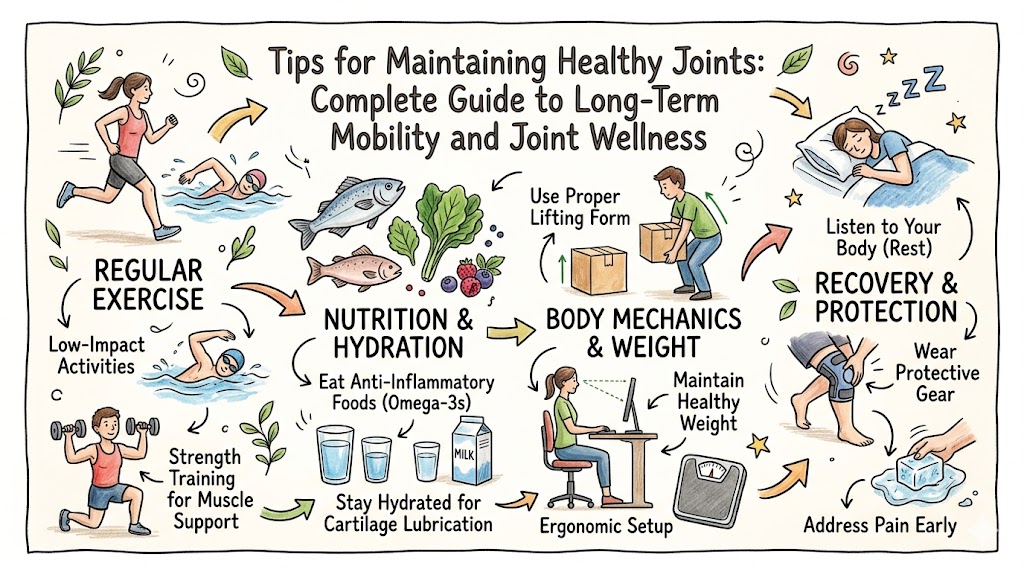
Maintaining healthy joints requires a balanced approach of regular low-impact exercise, strength training to support the muscles around your joints, and a nutrient-rich, anti-inflammatory diet. It is crucial to maintain a healthy body weight to reduce stress on weight-bearing joints like the hips and knees. Additionally, practice good posture, stay hydrated, and listen to your body—never ignore persistent joint pain. By combining these habits with consistent movement and professional orthopedic check-ups, you can effectively preserve your mobility and prevent premature joint degeneration.
Understanding Joint Health
What Are Joints?
Joints are the connection points where two or more bones meet. They are designed to allow movement, provide support, and bear weight. They include simple hinges like your fingers and complex structures like the hip and shoulder.
How Joints Work
Your joints are cushioned by cartilage, a smooth, rubbery tissue that prevents bones from rubbing against each other. They are surrounded by a joint capsule filled with synovial fluid, which lubricates the area to ensure fluid, friction-free movement.
Why Joint Health Matters
Healthy joints are the engine of your mobility. When joints are well-maintained, your body functions efficiently. When they degrade, even simple tasks like climbing stairs or carrying groceries can become painful, leading to a cycle of inactivity that further weakens your body.
Common Causes of Joint Problems
Issues often arise from overuse, injury, autoimmune conditions, or the gradual natural wear and tear of cartilage. Understanding your specific risk factors is the first step toward effective prevention.
Signs of Poor Joint Health
Early indicators include persistent stiffness, particularly in the morning, swelling, clicking or grinding sensations during movement, and pain that worsens with activity.
Common Factors That Affect Joint Health
Aging and Natural Wear
Over time, cartilage can thin, and the body’s production of lubricating synovial fluid can decrease. While aging is natural, your lifestyle choices determine how significantly these changes affect your daily life.
Excess Body Weight
Every extra pound of body weight exerts roughly four times that amount of pressure on your knees. Reducing weight is one of the most effective ways to lower stress on your weight-bearing joints.
Physical Inactivity
Joints need movement to stay healthy. Inactivity causes muscles around the joint to weaken, leaving the joint itself to take on more stress and load during movement.
Poor Posture and Body Mechanics
Slouching, lifting with your back rather than your legs, or repetitive awkward movements can create uneven stress on your joints, leading to premature wear.
Sports and Repetitive Stress Injuries
High-impact sports or repetitive motions at work can cause micro-traumas to cartilage. Without proper recovery and strength support, these injuries can accumulate into chronic issues.
Nutritional Deficiencies
Your joints need specific nutrients—such as Vitamin D, calcium, and Omega-3 fatty acids—to remain resilient. Deficiencies can weaken bone density and reduce your body’s ability to manage inflammation.
Top Tips for Maintaining Healthy Joints
Stay Physically Active
Commit to consistent movement. Whether it’s walking, swimming, or cycling, daily activity keeps your joint fluid circulating and keeps your muscles engaged.
Choose Low-Impact Exercises
You don’t need to run marathons to stay healthy. Focus on activities that build fitness without the jarring impact on your knees and ankles.
Strengthen Supporting Muscles
Muscles act as the body’s natural shock absorbers. A strong quadriceps supports the knee, while strong core muscles support the hips and lower back.
Maintain a Healthy Weight
Weight management is the most important “prescription” for joint longevity. Consult with a professional to find a healthy weight range that works for your body type.
Improve Flexibility and Mobility
Incorporate dynamic stretching and yoga into your routine. Flexibility prevents muscles from becoming tight and pulling unevenly on your joints.
Practice Good Posture
Keep your spine neutral, your shoulders back, and your head held high. Good posture ensures that weight is distributed evenly across your joints.
Use Proper Lifting Techniques
Always bend at the knees, keep the object close to your body, and engage your core. Never twist your body while carrying heavy loads.
Stay Hydrated
Cartilage contains a high percentage of water. Staying hydrated helps maintain the volume and health of the tissues surrounding your joints.
Eat a Joint-Friendly Diet
Focus on anti-inflammatory whole foods. A diet rich in plants, healthy fats, and lean proteins provides the building blocks for healthy cartilage.
Avoid Smoking and Excessive Alcohol
Smoking reduces blood flow to tissues, including cartilage, and interferes with the body’s ability to heal. Excessive alcohol can also lead to nutrient deficiencies that hurt bone health.
Best Exercises for Healthy Joints
Walking
Walking is the ultimate low-impact exercise. It builds bone density and strengthens the muscles around the hips and knees without harsh impact.
Swimming and Water Aerobics
The buoyancy of water supports your weight, making it the perfect environment to move stiff joints without gravity-induced pain.
Cycling
Stationary or road cycling strengthens the legs and improves knee range of motion while placing minimal stress on the joints.
Strength Training
Focus on resistance exercises. Using bands, light weights, or your own body weight helps stabilize the joints and protect them from injury.
Yoga and Stretching
Gentle, controlled movements improve the range of motion and reduce the chronic stiffness that often accumulates from sitting too long.
Balance and Stability Exercises
Exercises like standing on one leg or using a balance board help activate the stabilizing muscles, which prevents falls and joint-twisting injuries.
Best Foods for Joint Health
Omega-3 Rich Foods
Fatty fish, walnuts, and flaxseeds contain powerful anti-inflammatory properties that help soothe sore joints and reduce swelling.
Calcium-Rich Foods
Dairy, leafy greens, and fortified plant milks are essential for maintaining the bone density that supports your joints.
Vitamin D Sources
Fortified cereals, eggs, and moderate sun exposure help your body absorb calcium, which is vital for bone strength.
Fruits and Vegetables
Colorful produce is packed with antioxidants that combat oxidative stress and cellular inflammation throughout the body.
Lean Protein Sources
Proteins provide the amino acids necessary to build and repair the tissues, including tendons and ligaments, that support your joints.
Anti-Inflammatory Foods
Turmeric, ginger, garlic, and olive oil can help reduce the internal inflammatory response that often leads to joint pain.
Foods That Support Cartilage Health
Bone broths and collagen-rich foods may provide the essential proteins that support the structural integrity of your joints.
Foods and Habits That May Harm Joint Health
Highly Processed Foods
These often contain inflammatory additives and excessive refined sugars that can trigger system-wide inflammation, worsening joint discomfort.
Excess Sugar Consumption
High sugar intake is linked to weight gain and inflammation, both of which are enemies of healthy joints.
Sedentary Lifestyle
“Motion is lotion.” Sitting for eight or more hours a day causes muscles to shorten and joints to stiffen significantly.
Smoking
Smoking damages your vascular system, meaning less oxygen reaches your joints. This significantly slows down the body’s natural repair mechanisms.
Poor Sleep Habits
Sleep is when your body repairs tissue. Chronic sleep deprivation increases pain perception and slows recovery from minor joint strains.
Ignoring Joint Pain
“Working through the pain” is often counterproductive. Persistent pain is your body’s way of asking for a change in approach or professional help.
Comparison Table: Joint-Friendly Habits vs Joint-Damaging Habits
| Joint-Friendly Habit | Joint-Damaging Habit | Impact on Joints |
| Regular low-impact movement | Prolonged sitting | Movement lubricates; sitting stiffens |
| Maintaining healthy weight | Being overweight | Excessive weight strains joints |
| Eating whole, anti-inflammatory foods | Consuming high sugar/processed | Sugar fuels systemic inflammation |
| Stretching and Yoga | Static, repetitive posture | Flexibility prevents joint strain |
| Proper hydration | Dehydration | Water supports tissue resilience |
Comparison Table: Best Exercises for Different Joints
| Joint | Recommended Exercise | Why It Works |
| Knees | Stationary Cycling | Builds strength without impact |
| Hips | Water Aerobics | Buoyancy removes weight-bearing stress |
| Shoulders | Scapular Retractions | Improves posture and stability |
| Ankles | Balance Exercises | Prevents sprains and strengthens ligaments |
| Spine | Gentle Yoga/Cat-Cow | Promotes flexibility and spinal alignment |
Maintaining Healthy Knees
Daily Knee Care Tips
Focus on keeping the area warm if you have stiffness and avoid kneeling directly on hard surfaces. Always wear supportive, properly cushioned footwear.
Strengthening Knee Support Muscles
The quadriceps and hamstrings are the knee’s best friends. Exercises like straight-leg raises help stabilize the knee joint without putting pressure on it.
Preventing Knee Injuries
Avoid sudden pivots or jumping if you aren’t conditioned. Always warm up your muscles before engaging in any physical activity.
Managing Knee Stress During Activities
If you have a job that requires standing, use an anti-fatigue mat. If you are active, choose surfaces like grass or rubber tracks instead of hard asphalt.
Maintaining Healthy Hips
Hip Mobility Exercises
Leg swings and “clamshell” exercises help maintain the range of motion and strength in the hip abductor muscles.
Proper Movement Patterns
Avoid crossing your legs while sitting for long periods, as this can cause hip tension. Keep your feet flat on the floor to maintain neutral hip alignment.
Reducing Hip Joint Stress
When sleeping, place a pillow between your knees if you are a side sleeper. This keeps your hips in a neutral, relaxed position all night.
Maintaining Healthy Shoulders
Shoulder Strengthening Exercises
Rotator cuff exercises, using light resistance bands, are essential for keeping the shoulder joint centered and stable.
Preventing Overuse Injuries
If your work involves reaching overhead, take frequent breaks. Rotate your tasks to avoid fatiguing the same shoulder muscles constantly.
Maintaining Range of Motion
Daily gentle arm circles or “wall crawls” can prevent the shoulder capsule from tightening, which is a major cause of “frozen shoulder.”
Joint Health for Different Age Groups
Children and Teenagers
Focus on variety. Encourage children to play different sports rather than specializing in one, to prevent repetitive stress injuries.
Young Adults
Build a foundation of strength. This is the prime time to establish consistent weight training habits that will protect your joints in later life.
Middle-Aged Adults
Prioritize recovery. As you get older, your body needs more time to recover from intense workouts; listen to that need to prevent chronic injury.
Older Adults
Focus on balance and flexibility. Preventing falls is the single most important way to protect joint health for older adults.
Special Considerations for Athletes
Athletes must prioritize “pre-hab”—exercises specifically designed to balance the body and strengthen the joints before they get injured during intense training.
Preventing Arthritis and Joint Degeneration
Understanding Osteoarthritis
This is the most common form of arthritis, caused by the breakdown of joint cartilage. While genetics play a role, lifestyle choices are significant.
Early Warning Signs
If you notice that your joints feel better after an hour of moving but hurt after inactivity, or if they click and grind, have a professional check them out early.
Risk Reduction Strategies
Maintain a healthy weight, stay active, and avoid high-impact trauma. Protecting your joints early is much easier than repairing them later.
Importance of Early Intervention
Seeking physical therapy at the first sign of chronic stiffness can prevent the need for more invasive treatments later in life.
When to Seek Medical Attention
Persistent Joint Pain
If pain lasts for more than two weeks despite resting and gentle self-care, schedule an orthopedic evaluation.
Swelling and Inflammation
Visible puffiness or heat radiating from a joint can indicate acute inflammation that requires medical intervention.
Reduced Mobility
If you find yourself avoiding daily activities because of joint stiffness, your quality of life is being impacted, and it is time for professional support.
Joint Instability
If your knee or ankle “gives out” or feels like it cannot support your weight, this is a sign of ligament weakness that needs orthopedic assessment.
Recurrent Injuries
If you keep twisting the same ankle or hurting the same shoulder, the issue likely isn’t “bad luck” but a structural weakness that needs therapy.
Orthopedic Evaluation and Treatment Options
Physical Examination
Orthopedic specialists assess your range of motion, strength, and the specific way your joints move to pinpoint the source of discomfort.
Imaging and Diagnostic Tests
X-rays, MRIs, and ultrasound allow doctors to see the cartilage and soft tissues, providing a clear map of your joint health.
Non-Surgical Treatments
Physical therapy, bracing, specialized insoles, and anti-inflammatory medications are the first lines of defense for most joint issues.
Rehabilitation Programs
Custom programs designed by physical therapists can retrain your body to move in a way that protects your joints from future wear.
Long-Term Joint Care Plans
Your specialist can create a lifetime strategy that includes periodic screenings and activity modifications to ensure your joints remain functional.
Future of Joint Health Management
Personalized Orthopedic Care
We are moving toward genetic screening and precision medicine, where your specific risks help doctors customize your preventive plan.
Regenerative Medicine
Research into stem cells and platelet-rich plasma continues to show promise for repairing cartilage naturally rather than replacing the joint.
AI-Assisted Orthopedic Assessment
AI will soon analyze your gait and movement patterns through your phone’s camera, catching potential joint issues before you even feel pain.
Advanced Rehabilitation Technologies
Wearable robotics and smart braces will guide you through rehabilitation, ensuring every exercise you do is perfect and effective.
Preventive Orthopedic Healthcare
The focus is shifting from “fixing broken joints” to “optimizing healthy ones,” with schools and workplaces integrating more ergonomic movement habits.
Key Takeaways
- Joint health is about consistent, low-impact movement rather than high-intensity bursts.
- Muscles are the best support system for your joints; keep them strong.
- Weight management is the single most effective way to reduce stress on hips and knees.
- Listen to your body; persistent pain is a signal that you need a change in strategy.
- Always warm up your joints before exercise and stretch them afterward.
- Anti-inflammatory nutrition, such as Omega-3s, supports long-term cartilage resilience.
- Poor posture and body mechanics can cause joint wear as much as sports injuries can.
- Inactivity is often more dangerous for joints than moderate, safe activity.
- Early intervention with physical therapy can prevent the need for future surgeries.
- Stay hydrated to ensure your joints remain lubricated and tissues stay healthy.
FAQ Section
Is walking enough to keep my joints healthy?
Walking is an excellent start! It is low-impact and builds good bone and joint health. However, you should also include some resistance training to strengthen the muscles around the joints for full, 360-degree support.
Does clicking or grinding in my joints mean I have arthritis?
Not necessarily. Many people have joints that click due to trapped gas bubbles or tendons snapping over bone. However, if the clicking is accompanied by pain, swelling, or reduced motion, you should have it evaluated.
How often should I stretch to prevent stiffness?
Ideally, a little bit every day. You don’t need long sessions—just 5–10 minutes of gentle range-of-motion work in the morning or before bed can make a massive difference in how your joints feel.
Can I exercise even if I already have joint pain?
Usually, yes, but you must modify it. Avoid high-impact exercises like running. Focus on swimming, cycling, or seated exercises. If an exercise makes the pain significantly worse, stop immediately and seek advice from a physical therapist.
What is the best diet for joints?
A Mediterranean-style diet is generally considered the best. Focus on olive oil, fish, nuts, fruits, vegetables, and lean proteins. These foods are naturally anti-inflammatory and provide essential nutrients for cartilage.
Is running bad for your knees?
Not necessarily. For people with healthy joints and good form, running can be safe. However, if you are overweight, have a history of knee injury, or have poor form, the repetitive impact may accelerate wear. Use high-quality shoes and stick to softer surfaces.
When should I see an orthopedic specialist?
See one if you have pain that doesn’t go away after two weeks, swelling that won’t resolve, or if you feel a joint is “giving out.” Early assessment often prevents the need for major surgery later.
How does weight affect joint pain?
It’s a matter of physics. Your joints must support your weight every time you move. By losing weight, you dramatically reduce the mechanical force placed on your knee and hip cartilage, which directly reduces pain.
Can supplements like glucosamine help?
Research on supplements is mixed. Some people find relief, while others don’t. Before spending money on them, focus on a healthy diet and professional physical therapy—these have a much stronger track record for long-term health.
How important is posture for joint health?
Very important. Poor posture creates “eccentric loads,” meaning one part of the joint is bearing more stress than it was designed to handle. This creates uneven wear that leads to pain and degeneration over time.
Conclusion
Your joints are the foundation of your active life. By choosing a lifestyle that emphasizes consistent movement, smart weight management, and proactive strengthening, you are investing in your future freedom. Remember, taking care of your joints doesn’t mean you have to stop living—it means you have to start moving with intention.Small habits, practiced every single day, create the health you will enjoy in the decades to come. If you ever feel that your joint health is declining or if you simply want a professional assessment to ensure you are on the right track, remember that the experts at BestOrthoHospitals.com are here to support your journey. Keep moving, stay mindful, and enjoy the mobility you deserve.