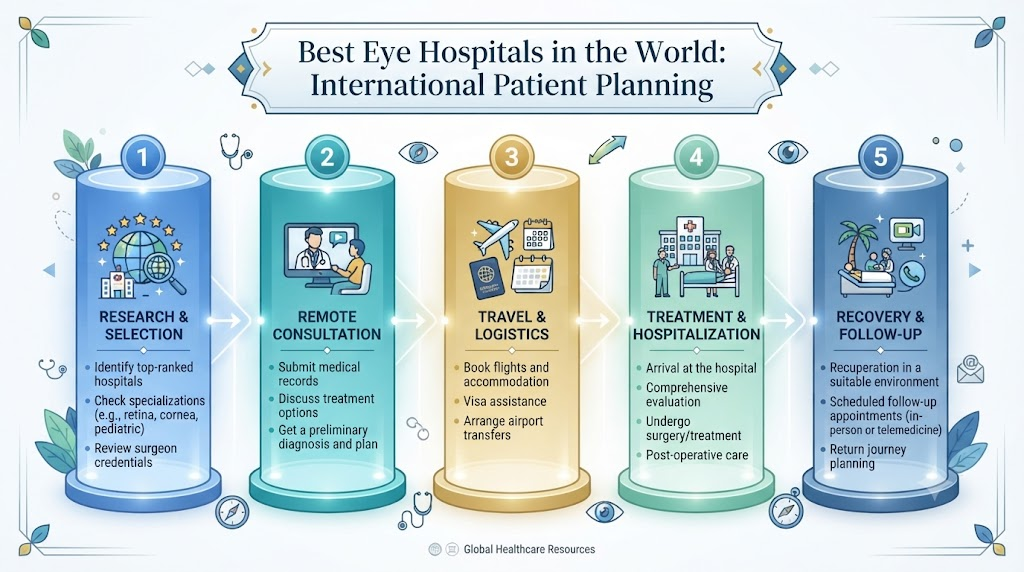
The human eye is complex, and protecting your sight requires exceptional, highly specialized healthcare. When diagnosed with vision issues like a maturing cataract or refractive errors requiring corrective surgery, discovering the right medical environment becomes crucial. The landscape of vision care spans from local neighborhood clinics to the best eye hospitals in the world, each offering vastly different levels of diagnostic imaging, advanced surgical suites, and specialized clinical expertise.Navigating these choices can feel overwhelming for patients, caregivers, and international medical tourists alike. Making an informed decision involves balancing clinical quality, modern laser eye surgery technologies, surgeon qualifications, and clear cost considerations. This educational guide breaks down the essential factors needed to evaluate the best ophthalmology hospitals globally and in prominent medical hubs like India, ensuring you can choose the right care platform safely and confidently.
Why Choosing the Right Eye Hospital Matters
Ophthalmology is profoundly technology-driven, relying heavily on exact microscopic precision. Selecting an accredited facility impacts everything from early diagnostic accuracy to long-term post-operative recovery outcomes. The best eye surgery hospitals invest heavily in modern infrastructural upgrades, ensuring that specialists work with top-tier tools for mapping the cornea, tracking eye movements, and stabilizing delicate structures.
Furthermore, hospital choice influences patient safety. High-volume, specialized eye centers follow strict protocols that minimize infection risks, such as endophthalmitis (severe internal eye inflammation). Comprehensive institutions house multidisciplinary teams, including a dedicated retina specialist, glaucoma treatment expert, or cornea specialist under one roof. This internal network ensures that if a minor procedure reveals secondary eye diseases, you will not have to scramble to find a different facility.
Key Factors to Compare Eye Hospitals
Clinical Accreditations and Safety Standards
When evaluating options, check for prominent national and international healthcare quality certifications. Look for institutions with Joint Commission International (JCI) clearance or country-specific bodies like the National Accreditation Board for Hospitals & Healthcare Providers (NABH) in India. These markers prove that a hospital meets rigorous baselines for sterilization, surgical safety checklist compliance, and structured nursing care.
Surgical Infrastructure and Medical Devices
A great hospital is only as strong as its technical tools. Top facilities utilize cutting-edge diagnostic imaging like Optical Coherence Tomography (OCT) to map retinal layers and advanced corneal topography systems. Ensure the surgical theatres are equipped with modern operating microscopes and clean-air laminar flow systems to reduce contamination risks during delicate ocular procedures.
Specialist Credentials and Experience
An outstanding clinic requires an exceptional eye surgeon. Research the resident ophthalmologist team’s backgrounds. Top-tier specialists often hold fellowships from recognized global boards, have performed thousands of successful surgeries, and actively participate in international ophthalmic research. Ensure your chosen doctor focuses specifically on your condition rather than practicing general ophthalmology alone.
Common Eye Conditions and Major Treatments
Modern vision care handles a wide spectrum of ocular challenges. Millions globally deal with age-related eye conditions or refractive structural changes that require professional interventions. The table below provides an accessible overview of the primary conditions encountered by global patients and the corresponding standard treatments offered at leading institutions.
| Condition | Primary Impact | Standard Treatment Approach | Specialized Equipment Used |
| Cataract | Clouding of the natural lens, causing blurry vision | Phacoemulsification or Femtosecond laser lens removal | Ophthalmic viscoelastics, phaco probes |
| Refractive Errors | Nearsightedness, farsightedness, or astigmatism | LASIK, PRK, or Implantable Collamer Lenses (ICL) | Excimer lasers, femtosecond microkeratomes |
| Glaucoma | Optic nerve damage caused by high fluid pressure | Medicated drops, selective laser trabeculoplasty, surgery | Tonometers, visual field analyzers |
| Retinal Detachment | Retinal tissue pulling away from the back of the eye | Vitrectomy, scleral buckling, or pneumatic retinopexy | Endolaser systems, intraocular gas/silicone |
Deep Dive into Major Eye Surgeries
Cataract Surgery Overview
Cataract extraction is one of the most common medical procedures performed globally. Over time, the eye’s natural crystalline lens hardens and loses clarity, obstructing light pathways. Modern extraction involves breaking up this cloudy matrix and replacing it with an artificial Intraocular Lens (IOL). Patients can choose standard monofocal lenses or premium multifocal and toric options that restore vision across multiple distances, reducing dependency on reading glasses.
As shown in the technical comparison above, patients can select between a traditional manual incision or a highly automated laser approach. Traditional methods rely on an expert hand using a steel or diamond blade to access the lens chamber. The modern femtosecond laser approach automates these initial entry cuts and fragments the cataract beforehand, requiring less ultrasound energy inside the delicate eye structure.
LASIK Surgery Overview
Laser-Assisted In Situ Keratomileusis (LASIK) remains a preferred option for individuals seeking freedom from glasses or contact lenses. This refractive surgery alters the shape of the cornea so light entering the eye focuses perfectly onto the retina. The entire procedure is remarkably fast, often taking under fifteen minutes for both eyes, with most patients reporting minimal discomfort and rapid vision improvement.
The diagram illustrates the step-by-step nature of this precise correction. First, the surgeon applies local anesthetic drops and creates a thin, microscopic flap on the outer surface of the cornea. Next, this flap is gently folded back to expose the underlying tissue. A specialized computer-guided excimer laser then reshapes the corneal bed, vaporizing microscopic tissue layers based on the patient’s unique visual map. Finally, the protective flap is smoothed back down, where it seals naturally without any stitches.
Comprehensive Surgical Comparisons
To choose the appropriate path, patients must weigh distinct procedures side by side. Below are three essential comparative breakdowns addressing common options encountered when researching modern vision care.
Comparison 1: Cataract Surgery vs LASIK Surgery
| Feature | Cataract Surgery | LASIK Surgery |
| Core Objective | Replace a cloudy, aged natural lens | Reshape the clear cornea to correct refractive errors |
| Advantages | Restores lost clarity; permanently eliminates cataracts | Fast recovery; reduces or eliminates reliance on glasses |
| Limitations | Requires physical lens extraction; mild post-op glare risks | Dependent on corneal thickness; temporary dry eye risks |
| Suitable Patients | Older adults or individuals with dense lens opacification | Adults with stable prescriptions and healthy corneas |
| Cost Considerations | Often covered by insurance; premium IOLs add extra fees | Typically elective/out-of-pocket; varies by laser type |
Comparison 2: Traditional Cataract Surgery vs Laser-Assisted Surgery
| Feature | Traditional Phacoemulsification | Femtosecond Laser-Assisted (FLACS) |
| Incision Method | Handheld blades directed manually by the eye surgeon | Automated computer-guided infrared laser pulses |
| Advantages | Highly cost-effective; decades of proven safety data | Incredible incision precision; reduced phaco energy usage |
| Limitations | Varies slightly based on manual blade techniques | Higher baseline procedural cost; setup takes more time |
| Suitable Patients | Standard cataract cases; budget-conscious individuals | Patients seeking premium IOLs or correcting astigmatism |
| Cost Considerations | Budget-friendly option; standard coverage applicable | Premium pricing tier; requires out-of-pocket premiums |
Comparison 3: Global Comparison: India vs Western Nations for Eye Surgery
| Feature | Eye Care in India | Eye Care in Western Nations (US/UK) |
| Clinical Standard | Equal numbers of JCI and NABH accredited facilities | Universally strict national regulatory standards |
| Advantages | High affordability; immediate scheduling; experienced doctors | Proximity for local residents; structured domestic insurance |
| Limitations | Requires international travel planning and transit time | Substantial out-of-pocket expenses; long waitlists |
| Suitable Patients | Medical tourists; individuals without comprehensive insurance | Patients with full local coverage wanting regional care |
| Cost Considerations | Remarkably economical; saves up to 70-80% on costs | Premium pricing structure for self-paying individuals |
Eye Treatment Cost Considerations
Medical pricing plays a critical role in treatment planning. Understanding the financial breakdown helps avoid unexpected expenses during your hospital stay.
Cataract Surgery Cost Factors
The overall expense depends heavily on the lens technology you select. A standard monofocal lens is highly affordable, whereas premium multifocal or toric lenses (which correct astigmatism) increase the price significantly. Choosing laser-assisted steps over manual incisions will also alter the final bill due to the advanced machinery required.
LASIK Surgery Cost Factors
Refractive correction costs fluctuate based on the specific laser methodology used. Traditional microkeratome LASIK (using a blade for the flap) is the most budget-friendly option. Custom Contoura Vision or completely bladeless, smile-based surgeries command higher fees due to their advanced tracking capabilities and specialized software.
The Indian Value Proposition
For many global individuals, tracking the cataract surgery cost in India or the LASIK surgery cost in India reveals massive financial advantages. Due to lower localized operational costs and a favorable exchange rate, top-tier Indian medical institutions offer these complex procedures at a fraction of Western costs. Patients frequently receive world-class care from highly experienced, English-speaking specialists while saving thousands of dollars, making the country a premier hub for dedicated medical tourism.
Practical Patient Scenarios
- Scenario A (Active Senior): A 68-year-old retired teacher experiences worsening glare while driving at night. A diagnostic imaging scan reveals early cataracts in both eyes. By comparing the best hospitals for cataract surgery, they opt for a facility offering laser-assisted extraction paired with premium multifocal lenses, successfully restoring clear intermediate and distance vision.
- Scenario B (Young Professional): A 26-year-old software engineer struggles with severe nearsightedness and dry eyes from contact lenses. After researching the best hospitals for LASIK surgery, they receive a detailed corneal topography mapping. The cornea specialist determines their tissue is thick enough for custom wavefront-guided adjustments, leading to smooth vision correction within days.
Expert Tips for Selecting Eye Care Providers
When selecting an eye care provider, focus heavily on specialized clinical experience. Verify how many procedures the specific specialist has completed for your exact condition. A surgeon who performs hundreds of laser corrections monthly will have highly refined fine-motor control and troubleshooting skills compared to a general practitioner.
Additionally, always request an upfront, all-inclusive financial quote before checking into any facility. A transparent hospital should provide a clear document itemizing the surgeon’s fees, operating room use, diagnostic scans, post-operative medications, and any potential follow-up visits. This transparency protects you from hidden fees discovered at discharge.
Best Practices for Successful Treatment Planning
1.Schedule a Complete Ophthalmic Assessment:Prerequisite.
Undergo an extensive eye examination including dilating drops, corneal mapping, and retinal evaluations to check for silent conditions like glaucoma.
2.Discontinue Contact Lenses Early:2 Weeks Pre-Op.
If planning laser vision correction, stop wearing contact lenses for at least two weeks beforehand. Contacts temporarily alter the shape of your cornea, which can distort diagnostic measurements.
3.Arrange Dependable Post-Op Transport:Surgery Day.
Ensure a family member or caregiver accompanies you on the day of your procedure. Your pupils will be dilated and your vision blurry, making driving unsafe.
4.Strictly Apply Prescribed Eye Drops:Post-Op Recovery.
Follow the post-operative schedule for antibiotic and anti-inflammatory drops exactly. Use clean hands, avoid rubbing the eye, and attend every scheduled checkup.
Common Mistakes to Avoid
A frequent mistake is choosing a hospital based entirely on the lowest price sheet. Cheap eye care packages may cut corners by using outdated diagnostic tools, generalist doctors, or low-grade artificial lenses that increase the risk of long-term complications or secondary adjustments.
Another common error is failing to mention your full medical history during initial consultations. Underlying systemic conditions, such as diabetes or autoimmune disorders, can slow down corneal healing and significantly alter your surgical options. Always provide your specialist with a complete list of current medications and health issues.
The Future of Eye Care
The field of ophthalmology is evolving rapidly through biotechnology and digital integration. We are seeing the rise of artificial intelligence diagnostic tools that can detect subtle signs of diabetic retinopathy or macular degeneration from simple scans long before a patient notices vision loss.
Surgical tools are also becoming less invasive. Next-generation robotic micro-assistants are refining the accuracy of delicate retinal procedures, while advanced bio-engineered drop therapies may one day slow down cataract development without surgery. Choosing a forward-thinking clinic ensures you gain access to these emerging, protective medical developments.
Why Rely on BestEyeHospitals.com?
Finding your way through global healthcare networks requires an organized, unbiased approach. BestEyeHospitals.com simplifies this research by gathering verified data on leading clinics, specialized ophthalmologists, and modern treatment options into one accessible place.
The platform offers independent comparisons without promoting specific medical outcomes. Users can look up credentialed professionals, check hospital accreditations, and research average regional costs for procedures like cataract or LASIK surgery. This comprehensive tool helps you build an actionable care plan tailored to your specific vision needs.
Frequently Asked Questions
1. What is the main difference between an ophthalmologist and an optometrist?
An ophthalmologist is a medical doctor (MD) who specializes in advanced eye diseases, performs complex surgeries, and prescribes therapeutic medications. An optometrist focuses primarily on vision health, conducting standard eye examinations, measuring refractive errors, and prescribing corrective glasses or contact lenses.
2. Is cataract surgery painful?
The procedure is virtually painless. Surgeons apply localized anesthetic numbing drops directly onto the eye before starting. Patients might feel a mild sensation of pressure or see bright lights during the short 15-minute process, but actual pain is rare.
3. How long does recovery take after undergoing LASIK surgery?
Most patients notice a significant improvement in vision clarity within 24 hours. Minor side effects, such as mild blurriness, light sensitivity, or a scratchy sensation, typically clear up within a few days as the outer corneal flap stabilizes.
4. What causes a cataract to form in the eye?
Cataracts develop naturally as part of the aging process. The natural proteins inside the eye’s crystalline lens break down over time, clumping together and turning the clear lens cloudy, which blocks light from reaching the retina.
5. Can I get cataracts in both eyes at the same time?
Yes, cataracts frequently develop in both eyes as you age. However, they rarely progress at the exact same rate. One eye may experience advanced vision cloudiness while the other displays only minor structural changes.
6. Will insurance cover my LASIK vision correction?
Because LASIK is generally classified as an elective cosmetic procedure to reduce dependency on glasses, most standard insurance providers do not cover it. However, it is always best to check with your insurer for any specific health account options.
7. Why do international patients choose India for major eye surgeries?
India has become a leading destination for specialized eye care because it combines world-class clinical standards with high affordability. Patients can access JCI-accredited facilities and highly experienced surgeons for a fraction of Western healthcare costs.
8. What is the purpose of premium intraocular lenses?
Premium lenses, such as multifocal or toric IOLs, are designed to restore clear vision across multiple focal points (near, intermediate, and far). They can also correct pre-existing astigmatism, significantly reducing your need for reading glasses after cataract surgery.
9. Are the results of a LASIK procedure permanent?
Yes, the structural changes made to your cornea by the excimer laser are permanent. However, LASIK cannot prevent the natural aging process of the eye, meaning most adults will still develop presbyopia (needing reading glasses) around age 45.
10. How often should I schedule a professional eye examination?
Healthy adults with clear vision should book a comprehensive exam every two years. If you are over the age of 60, wear contact lenses, or have systemic health conditions like diabetes, you should step up to an annual exam.
11. What exactly does a retina specialist do?
A retina specialist is an ophthalmologist who has completed advanced fellowship training focused exclusively on the vitreous fluid and delicate retinal tissues at the back of the eye, managing conditions like retinal tears or diabetic macular degeneration.
12. Can a child undergo laser vision correction like LASIK?
LASIK is not recommended for children. The FDA approves the procedure only for individuals aged 18 and older, as a person’s vision prescription must be completely stable before altering the shape of the cornea.
13. What happens if a growing cataract is left completely untreated?
If left alone, a cataract will continue to harden and cloud over, gradually reducing your vision until it causes legal blindness. Advanced cataracts can also increase internal eye pressure, leading to secondary complications like glaucoma.
14. What are the common side effects after laser eye surgery?
Common temporary side effects include fluctuating vision, mild dry eyes, glare, halos around bright lights at night, and slight redness. These issues generally fade over a few weeks as the cornea heals completely.
15. What should I look for regarding hospital safety accreditations?
Look for international gold standards like JCI (Joint Commission International) or major national certifications such as NABH in India. These accreditations show that the hospital meets rigorous protocols for infection control and patient safety.
Conclusion
Protecting your vision requires careful research and an informed approach to medical planning. Whether you are addressing an age-related cataract or exploring life-changing laser vision correction, the quality of your provider matters. By taking the time to compare hospital infrastructure, surgeon accreditations, and options like cataract or LASIK surgery costs in India and globally, you can make safe, reliable decisions for your long-term eye health. Always focus on clinical quality and verified credentials over cheap pricing packages to keep your sight protected for years to come.