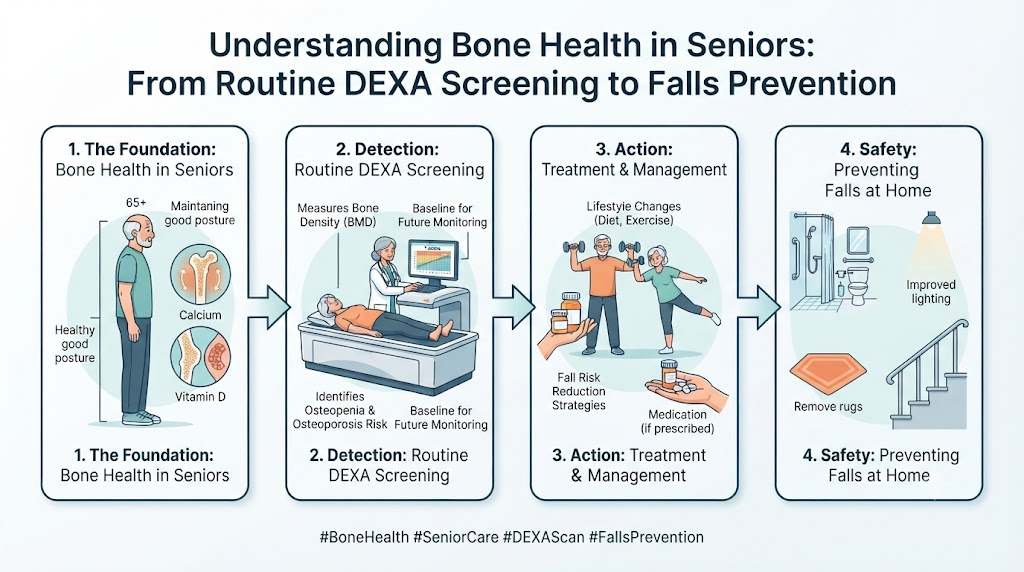
Introduction
As the human body journeys through the later stages of adulthood, maintaining physical wellness involves protecting the underlying skeletal foundation that holds everything together. Over time, the internal architectures of our bodies undergo subtle biological shifts that directly alter how we move, balance, and interact with our environments. Prioritizing bone wellness during these later milestones serves as an essential pillar for safeguarding long-term systemic stability and personal physical comfort.Learning about the biological changes that take place in aging bones, modern diagnostic imaging methods, and supportive everyday habits helps you make informed choices for your long-term physical well-being. If you or an older family member are looking for clear medical summaries, need to understand orthopedic tracking protocols, or want to explore supportive musculoskeletal care options, consider utilizing educational resources like BestOrthoHospitals. Connecting with trusted orthopedic insights helps you navigate your wellness journey safely, monitor skeletal baseline trends clearly, and manage your health goals with confidence and peace of mind.
What Is Bone Health?
Bone health refers to the structural density, mineral content, and cellular quality of the skeletal matrix required to support the body, protect vital internal organs, and allow for efficient physical movement. Far from being static, structural columns, living bones are highly dynamic organs that change continuously throughout an individual’s lifetime.
To keep the skeleton strong, the body utilizes a continuous biological maintenance process called bone remodeling. This process relies on a delicate balance between two specialized types of bone cells working in a coordinated loop:
- Osteoclasts: Specialized bone cells responsible for breaking down, dissolving, and clearing away old or structurally fatigued bone tissue from the skeletal matrix.
- Osteoblasts: Bone-building cells that follow behind the osteoclasts, depositing new, mineral-rich tissue layers to rebuild and reinforce the bone structure.
[ Active Remodeling Loop ]
  Osteoclasts (Clear old, fatigued tissue) ---> Osteoblasts (Deposit new, mineral-rich layers)
  ==========================================================================================
  * Healthy Adulthood: Balanced clearance and deposition keeps the skeleton resilient.
  * Later Adulthood: Tissue clearance outpaces cell replacement, leading to structural thinning.
During youth and early adulthood, the bone-building cells work highly efficiently, depositing tissue faster than it is cleared away. This allows individuals to reach their Peak Bone Mass usually by their late twenties.
As the body continues to age, the remodeling loop begins to shift naturally. The cellular activity of the osteoclasts starts to outpace the tissue-building capacity of the osteoblasts, meaning old bone is cleared away slightly faster than new tissue can be replaced. This progressive imbalance can lead to a gradual reduction in overall bone mineral density and a thinning of the internal bone architectures.
Maintaining skeletal health means taking proactive steps to slow this natural tissue thinning, ensuring the structural frame remains resilient against daily physical stresses.
Why Bone Health Matters in Seniors
Prioritizing skeletal wellness in later life provides meaningful physical benefits that directly influence an older adult’s daily safety, mobility, and general well-being.
Preserving Daily Mobility and Balance
A resilient skeletal framework serves as the structural anchor for the entire muscular system, providing the mechanical leverage needed to move efficiently. When bones remain dense and healthy, they can tolerate the physical forces of everyday movement easily. This structural strength helps older adults maintain steady balance, coordinates steady walking patterns, and supports a straight, upright posture, making it easier to navigate various environments confidently.
Minimizing the Risk of Structural Fractures and Complications
As bones grow thin, their ability to absorb physical impacts decreases, which can leave the skeleton vulnerable to fractures from minor slips or everyday movements. Catching bone thinning early through professional monitoring helps older adults take steps to protect their structural strength, significantly reducing the likelihood of unexpected bone breaks. Preventing these structural injuries avoids the need for invasive orthopedic surgeries, limits long-term physical downtime, and supports an independent, active daily routine.
+-----------------------------------------------------------------+
|                    SKELETAL INTEGRITY IMPACT                    |
+--------------------------------+--------------------------------+
| Dense, Mineral-Rich Matrix     | Thin, Porous Skeletal Framework|
+--------------------------------+--------------------------------+
| - Absorbs impacts smoothly     | - Vulnerable to minor shocks   |
| - Supports a straight posture  | - Risk of gradual height loss  |
| - Stable physical independent  | - Elevated hospital risks      |
+--------------------------------+--------------------------------+
Supporting Autonomy and General Comfort
Keeping your bones strong allows you to perform daily activities with comfort and ease, free from the physical limits caused by skeletal weakness. This functional strength means you can look after your home independently, participate in social outings, and stay connected with your community. Ultimately, maintaining a strong, stable skeletal frame protects your general health, reduces the risk of long-term hospital stays, and helps you enjoy your daily life with peace of mind.
Common Bone Conditions in Older Adults
The natural biological shifts that occur within aging skeletal tissues can lead to specific orthopedic conditions that require professional tracking and structured care.
Osteoporosis and Osteopenia
- Osteoporosis: A progressive metabolic bone disease characterized by a significant drop in bone mineral density and a thinning of the internal bone structures. This process causes the bones to become highly porous and fragile, increasing their vulnerability to fractures from minor impacts, slips, or simple movements like bending over.
- Osteopenia: A clinical state where bone mineral density is lower than standard historical baselines, but not yet thin enough to be categorized as osteoporosis. It serves as an early warning sign that the remodeling loop is shifting, indicating that proactive steps are needed to support bone health.
Osteoarthritis and Structural Fractures
- Osteoarthritis: A degenerative joint condition involving the progressive wear and tear of the protective cartilage that cushions the ends of the bones within the joints. As this cartilage thins, it can lead to direct bone-on-bone friction, causing localized discomfort, joint stiffness, and reduced physical flexibility.
- Hip Fractures: Structural breaks occurring in the upper section of the thigh bone (femur) near the hip joint, typically resulting from a fall. These serious orthopedic injuries usually require timely surgical correction and structured physical rehabilitation to help the patient safely regain their independent mobility.
- Vertebral Compression Fractures: Gradual structural collapses or tiny breaks within the bones of the spine (vertebrae), often caused by advanced bone thinning. Over time, these changes can lead to persistent back pain, a progressive loss of physical height, and a visibly stooped or curved posture (kyphosis).
[ Stable Vertebral Body ] --------> Normal physical alignment and structural height
[ Compression Fracture Change ] --> Internal thinning causes bone to wedge or collapse downward
Common Bone Conditions Comparison Table
| Orthopedic Classification | Basic Tissue Description | Potential Physical Impact | Common Clinical Diagnostic Tracking |
| Osteoporosis | Advanced loss of bone mineral density and thinning architectures | Significantly elevated risk of fractures from minor slips | DEXA Bone Density Scan, Fracture Risk assessment |
| Osteopenia | Mild to moderate thinning of bone tissue below standard baselines | Acts as an early warning signal; can develop without care | Routine DEXA screening, regular nutritional reviews |
| Osteoarthritis | Progressive wear and thinning of protective joint cartilage | Localized discomfort, morning joint stiffness, reduced mobility | Physical mobility exams, high-resolution joint X-rays |
| Hip Fracture | A physical break in the upper aspect of the femur bone | Requires immediate emergency surgical correction and physical rehab | Radiographic X-rays, emergency orthopedic triage |
| Compression Fracture | Small structural collapses within the spinal vertebrae | Persistent localized back discomfort and a stooped posture | Spinal X-rays, MRI scans, physical posture checks |
Risk Factors for Poor Bone Health
The speed at which bone tissue thins and the likelihood of developing skeletal vulnerabilities are influenced by a combination of genetics, medical history, environmental exposures, and daily habits.
- Natural Chronological Aging: The body’s natural cell renewal slows down as the years pass, meaning bone tissue is cleared away slightly faster than it can be replaced.
- Lineal Family History: Having close biological relatives who have experienced early bone thinning or hip fractures can point to shared genetic traits that affect bone strength.
- Low Long-Term Calcium Intake: A diet that lacks sufficient calcium leaves the body without the primary mineral needed to build and reinforce the skeletal matrix.
- Vitamin D Insufficiency: A lack of adequate Vitamin D makes it difficult for the digestive system to absorb calcium effectively, regardless of how much calcium you consume.
- Prolonged Physical Inactivity: Living a sedentary lifestyle without regular physical movement tells the body that dense bones are not required, which can accelerate tissue thinning.
- Consistent Tobacco Use: Smoking introduces harmful compounds that can disrupt normal bone cell activity and lower the body’s ability to utilize protective minerals.
- Regular, Excess Alcohol Intake: Consuming alcohol frequently can interfere with calcium absorption and alter hormone levels that keep the skeletal frame balanced.
- Long-Term Corticosteroid Use: Using specific prescription medications like prednisone over extended periods can slow down bone-building cell activity, requiring close medical tracking.
- Hormonal Changes: Gradual drops in hormone levels during later life—such as decreased estrogen in women following menopause or lowered testosterone in men—can alter the bone remodeling loop.
Signs That May Indicate Bone Problems
Skeletal thinning often progresses quietly without causing obvious early warnings. Recognizing subtle, shifting physical signs allows you to seek professional medical evaluation early, ensuring any vulnerabilities are managed before injury occurs.
- Experiencing Frequent or Unexpected Fractures: Breaking a bone from a minor slip, small bump, or everyday movement that would normally not cause an injury.
- A Noticeable Loss of Physical Height: Discovering during a routine medical checkup that you have lost an inch or more of your normal adult height.
- Persistent, Deep-Seated Back Discomfort: Ongoing, localized aching along the spine that could point to hidden structural changes within the vertebral bones.
- A Visibly Stooped or Curved Posture: Noticing a gradual rounding of the upper back and shoulders, often referred to as kyphosis.
- Reduced Physical Mobility: Finding it increasingly difficult to stand up from a low chair, open heavy doors, or move around comfortably.
- Ongoing Joint Stiffness: Experiencing limited flexibility or a restricted range of motion in key areas like the hips, knees, or spine, especially in the morning.
- Difficulty Keeping a Steady Balance: Feeling unsteady while standing or walking, which can raise your risk of experiencing a slip or fall.
- Developments in Walking Patterns: Noticing that your steps have become slower, shorter, or less synchronized over time.
                  +-----------------------------------+
                  |   SKELETAL PROGRESSION WATCHLIST  |
                  +-----------------------------------+
                   /               |                 \
                  /                |                  \
      [ Posture Changes ]    [ Injury Warnings ]    [ Functional Limits ]
       - Height loss and      - Fractures from minor - Joint stiffness and
         curving spine          slips or small bumps   difficulty balancing
Bone Density Testing
Evaluating skeletal strength and tracking internal tissue trends requires specialized diagnostic imaging. Orthopedic hospitals utilize specialized scans to check bone density and help map out your care plan.
Measuring Structural Strength with DEXA Scans
The primary diagnostic tool for assessing bone health is a Dual-Energy X-ray Absorptiometry (DEXA) scan. This non-invasive, quick imaging procedure uses very minimal radiation to measure exactly how many grams of calcium and other essential minerals are packed into specific segments of your bone, focusing primarily on the hip, spine, and forearm. The scan takes about 10 to 15 minutes, is completely painless, and allows you to rest comfortably on a padded table throughout the process.
Understanding Your Clinical T-Score
The data gathered during a DEXA scan is calculated into a statistical value known as a T-score. This score compares your bone mineral density against the standard baseline of a healthy young adult:
- Normal Bone Density: A T-score of -1.0 or higher indicates your skeletal framework is strong and healthy.
- Osteopenia Finding: A T-score between -1.1 and -2.4 points to early, mild tissue thinning that requires proactive lifestyle and nutritional focus.
- Osteoporosis Indication: A T-score of -2.5 or lower confirms significant bone thinning, highlighting the need for structured orthopedic guidance to lower fracture risks.
[ Strong, Normal Density ] ---> T-Score of -1.0 or higher: Skeletal matrix is strong and healthy
[ Early Tissue Thinning ] ----> T-Score of -1.1 to -2.4: Points to osteopenia; needs focus
[ Advanced Bone Loss ] -------> T-Score of -2.5 or lower: Confirms osteoporosis; needs guidance
Healthcare providers recommend regular bone density screenings for women aged 65 and older, men aged 70 and older, and any adult who has broken a bone from a minor slip or possesses multiple risk factors. Discussing your T-score results with your doctor allows you to interpret the data accurately and build a customized plan tailored to your body’s needs.
Bone Health Assessment Table
| Assessment Method | Core Clinical Purpose | Specific Patient Benefit |
| Bone Density Scan (DEXA) | Measures exact mineral content in key skeletal zones like the hip and spine | Pinpoints early bone thinning to help plan fracture prevention strategies |
| Physical Orthopedic Exam | Evaluates posture, muscle strength, flexibility, and walking patterns | Locates functional balance concerns before they cause a slip or injury |
| Comprehensive Blood Panels | Measures circulating levels of calcium, Vitamin D, and key metabolic markers | Verifies that the body has the nutritional raw materials needed for bone care |
| Fall Risk Evaluation | Checks home safety habits, footwear, and physical coordination together | Outlines practical adjustments to lower the likelihood of experiencing a fall |
Nutrition for Healthy Bones
Providing your body with a consistent supply of essential nutrients gives your skeletal remodeling loop the raw materials required to preserve bone density and support long-term physical wellness.
+--------------------------------------------------------------+
|                SKELETAL PROTECTION NUTRIENT PLATE            |
+------------------------------+-------------------------------+
|                              |                               |
|       CALCIUM SOURCES        |           VITAMIN D           |
|   (Leafy greens, dairy,      |    (Sunlight exposure,        |
|    fortified foods)          |     egg yolks, salmon)        |
|                              |                               |
+------------------------------+-------------------------------+
|                              |                               |
|         LEAN PROTEIN         |      SUPPORTIVE MINERALS      |
|    (Poultry, fish, beans)    |   (Magnesium, phosphorus)     |
|                              |                               |
+------------------------------+-------------------------------+
Prioritize Calcium and Vitamin D Partnerships
Calcium serves as the primary structural building block for the skeletal frame. Older adults should incorporate a variety of calcium-rich foods into their daily meals, such as dark leafy greens (kale and collard greens), broccoli, calcium-fortified plant milks, tofu, and low-fat dairy options.
To help your body utilize this mineral, ensure you get adequate Vitamin D through gentle, safe sunlight exposure, fatty fish like salmon, and egg yolks, as this nutrient helps your digestive tract absorb calcium effectively.
Incorporate Balanced Proteins and Core Minerals
Including high-quality lean proteins—such as skinless poultry, fish, lentils, and beans—is essential for maintaining lean muscle mass, which wraps around and supports your joints and bones.
Additionally, eat foods rich in magnesium and phosphorus, such as almonds, pumpkin seeds, and whole grains, to support overall bone quality. Remember to stay well-hydrated throughout the day by drinking plenty of water, as proper fluid balance supports cellular performance and helps keep your energy steady.
Exercises That Support Bone Health
Engaging in regular, doctor-approved physical activity places gentle, healthy mechanical stress on your bones, which stimulates the remodeling loop to maintain tissue density and support physical agility.
- Weight-Bearing Exercises: Activities where your feet and legs carry your body weight against gravity, such as brisk walking, light dancing, or climbing stairs, which help reinforce leg and hip bones.
- Resistance and Strength Training: Utilizing light dumbbells, elastic resistance bands, or bodyweight exercises to strengthen muscles, which pulls gently on bones to encourage tissue density.
- Targeted Balance Exercises: Practicing simple coordination drills, such as standing on one foot or walking heel-to-toe, to improve stability and lower your risk of falling.
- Structured Walking Routines: Committing to a daily walk helps keep your joints flexible, improves cardiovascular health, and maintains lower-body physical stamina.
- Tai Chi Practice: Engaging in this gentle, flowing martial art to enhance your physical coordination, build deep core stability, and support full-body balance.
- Flexibility and Stretching Work: Incorporating gentle stretching or yoga routines to maintain fluid joint motion, reduce muscle stiffness, and support a straight posture.
[ Sedentary Base ] ----> Skeletal tissues thin because they face zero mechanical demand
[ Active Exercise Path ] -> Gentle mechanical stress tells the body to preserve bone density
Essential Safety Guidelines for Older Adults
Before starting any new exercise routine, it is essential to consult your primary care doctor or orthopedic specialist to verify that the activities are safe for your specific baseline health. Always wear stable, non-slip athletic footwear that fits comfortably and supports your feet securely. Avoid exercises that involve deep spinal twisting or sudden forward bending, especially if you have been diagnosed with bone thinning, to protect your vertebrae from undue stress.
Preventing Falls and Fractures
Safeguarding your physical mobility involves taking active steps to lower the likelihood of experiencing a fall. Making small, practical adjustments around your home and managing your daily routines can create a significantly safer living environment.
Enhance Daily Home Safety
Look around your living spaces to find and fix potential tripping hazards. Remove loose throw rugs or secure them firmly with non-slip backing, keep hallways and walk paths free from clutter and loose electrical cords, and add bright nightlights in bathrooms, stairwells, and bedroom hallways to ensure you can see clearly at night.
In the bathroom, install sturdy, professionally mounted grab bars near the toilet and inside the shower stall, and use non-slip rubber mats to prevent slips on wet surfaces.
                  [ HOME SAFETY ADJUSTMENT FOCUS ]
  =============================================================
   Clear Walkways  | Safe Bathrooms | Bright Lighting
  =============================================================
   Remove clutter, | Install grab   | Add bright night-
   loose cords, and| bars and use   | lights in halls,
   slippery rugs   | non-slip mats  | stairs, and baths
  =============================================================
Manage Footwear, Vision, and Medications
Wear supportive, low-heeled shoes with non-slip soles both indoors and outdoors to keep your feet firmly planted on the ground, and avoid walking in loose socks or slippers. Schedule regular annual vision checkups to ensure your glasses prescription is up to date, making it easier to spot changes in flooring or sidewalk levels.
Finally, ask your healthcare provider to perform a routine review of all your medications to check if any prescriptions or combinations could cause temporary dizziness or drowsiness, allowing you to plan your daily activities safely.
Choosing the Right Orthopedic Hospital
Selecting an appropriate healthcare center for specialized skeletal tracking or joint evaluation is an important choice that impacts your immediate safety and long-term physical confidence.
Research Specialist Expertise and Dedicated Programs
Look for hospitals staffed by board-certified orthopedic specialists and geriatric bone healthcare experts who focus specifically on age-related bone wellness and fracture prevention.
Reputable centers often house dedicated bone health clinics where multi-disciplinary medical teams work together to track skeletal trends, analyze diagnostic imaging, and provide personalized care plans tailored to older adults.
Check Facility Infrastructure and Support Tools
Ensure the hospital features modern diagnostic equipment, including accredited, calibrated DEXA scanners and high-resolution imaging systems, to ensure your bone measurements are precise.
The facility should also offer comprehensive support programs, such as on-site physical rehabilitation suites and dedicated fall-prevention workshops, ensuring you have access to expert guidance throughout your wellness journey.
       [ ACCREDITED ORTHOPEDIC HOSPITAL ]
 (Certified Specialists + Calibrated DEXA Scans + Safe Wards)
                       |
       [ SUPPORTED OUTPATIENT OUTREACH ]
  (On-Site Rehabilitation Wards + Dedicated Fall Prevention Programs)
Prioritize Patient-Centered Education and Transparency
A high-quality institution values clear communication, transparent data, and patient education. During your initial consultation, the medical team should offer clear, straightforward explanations of your bone density scores, listen to your daily lifestyle goals, and discuss care strategies without utilizing high-pressure tactics or making unrealistic promises. A trustworthy care team focuses on your safety and gives you the information needed to make informed choices with peace of mind.
Hospital Selection Checklist
| Core Facility Feature | Clinical Significance for Seniors | Specific Quality Indicators to Look For |
| Orthopedic Specialists | Ensures your care plan is guided by experts who understand complex bone metabolism | Active board certifications; specialized training in geriatric orthopedics |
| Calibrated DEXA Scans | Delivers accurate bone mineral data to catch early structural changes reliably | Accredited imaging bays with regularly maintained scanning software |
| Rehabilitation Services | Rebuilds muscle tone, improves joint motion, and safely supports daily mobility | On-site physical therapy suites staffed by licensed clinical therapists |
| Advanced Diagnostic Tools | Provides clear, detailed structural images to guide precise evaluations | High-resolution digital X-rays and accessible MRI technology on-site |
| Fall Prevention Programs | Teaches practical safety habits to help reduce the risk of structural injuries | Specialized, group-based physical coordination and balance workshops |
Common Myths vs Facts
Myth: Significant bone thinning and structural fractures are an unavoidable part of the natural aging process that you cannot slow down.
Fact: While bones naturally experience subtle shifts over time, severe bone loss is a manageable medical condition. Adopting a balanced diet rich in calcium, participating in regular weight-bearing exercises, and working with an orthopedic specialist can help maintain your skeletal strength and lower your injury risks.
Myth: Osteoporosis is a skeletal condition that only affects older women after menopause.
Fact: While hormonal changes raise the risk for women, men can also develop osteoporosis as they age. Thinning bones can affect any older adult regardless of gender, making routine bone density screening an important preventative habit for everyone.
Myth: All structural fractures heal smoothly on their own without impacting a senior’s long-term mobility.
Fact: Recovering from a major bone break depends heavily on the patient’s baseline bone density, general health, and the location of the injury. Fractures in later life require professional orthopedic monitoring and structured physical therapy to ensure the bone repairs securely and mobility is restored safely.
Myth: Increasing your daily calcium intake through food or supplements is all you need to keep your bones permanently strong.
Fact: Calcium is a vital building block, but your body cannot build bone with calcium alone. Keeping your skeletal frame strong requires an integrated combination of Vitamin D for mineral absorption, lean proteins for muscle support, regular weight-bearing exercise, and ongoing medical oversight.
Common Mistakes Seniors Make
Navigating your skeletal health goals requires active communication and a systematic approach to your daily routines. Recognizing and avoiding frequent missteps can keep your health tracking safe, effective, and on schedule.
Disregarding Persistent Aches or Acribing Pain Only to Aging
A frequent pitfall is downplaying persistent back discomfort, ongoing joint stiffness, or localized bone aching, assuming these symptoms are just a normal part of getting older. Postponing a professional evaluation allows potential skeletal vulnerabilities or hidden compression changes to develop unmonitored. Sharing shifting physical sensations with your doctor early ensures you receive accurate answers and timely, protective care.
Avoiding Physical Activity Due to a Fear of Slips or Injuries
Some individuals stop exercising entirely because they worry that moving around might cause a fall or a bone break. However, living a sedentary lifestyle causes muscles to weaken and accelerates bone thinning, which actually raises your long-term fracture risks. Engaging in gentle, doctor-approved balance and walking exercises under professional guidance builds muscle tone and supports coordination, keeping you safer daily.
Postponing Prescribed Bone Density Screening Scans
Assuming that you do not need a DEXA scan because you feel strong and have never broken a bone is a common mistake. Because bone thinning develops quietly without causing physical warnings early on, waiting for a fracture to occur before testing misses the window for early, safe prevention. Scheduling routine screenings on time gives your care team the data needed to protect your health.
Overlooking Changing Balance Signs and Postponing Triage After a Fall
Downplaying brief dizzy spells, minor stumbles, or a tendency to catch yourself on furniture allows underlying balance concerns to go unmanaged. Additionally, avoiding a medical checkup after experiencing a minor slip because you feel okay can leave hidden structural injuries unmonitored. Seeking timely orthopedic triage after any fall ensures your skeletal framework remains stable and well-supported.
Practical Solutions
To support your skeletal health journey:
- Keep a simple notebook to track any physical changes, noting what your joints feel like and any balance questions so you can discuss them with your doctor.
- Work with a physical therapist to design a personalized, safe physical movement plan that builds your strength comfortably and addresses your fears.
- Treat routine bone density screenings as a regular, supportive part of your preventative healthcare, helping you stay ahead of structural changes with peace of mind.
Real-Life Educational Scenarios
Scenario A: Catching Early Changes Through Routine Structural Screening
A 66-year-old individual scheduled a routine bone density scan in accordance with preventative guidelines, despite feeling perfectly healthy and maintaining an active daily routine. The DEXA imaging process was quick, non-invasive, and completely painless.
The results showed a T-score of -1.8 in the hip area, pointing to early, mild tissue thinning known as osteopenia. Working closely with their orthopedic specialist, the patient added calcium-rich foods like dark leafy greens to their diet and began a daily 20-minute brisk walking routine. A repeat scan two years later confirmed their skeletal mineral levels had stabilized, showing how early tracking allows for practical adjustments that protect long-term health.
Scenario B: Improving Balance and Coordination Safely At Home
A 73-year-old individual noticed they occasionally felt unsteady when standing up quickly or walking on uneven sidewalks, which made them feel anxious about leaving the house. Rather than stopping their physical activities, they consulted their primary care physician for guidance.
[ Balance Notice: Unsteady Steps ] ---> Walking on uneven sidewalks causes minor unsteadiness
                                             |
[ Structured Physical Intervention ] -> Clinical balance drills and home safety tracking introduced
                                             |
[ Long-Term Outcome: Regained Stamina ] -> Rebuilt muscular coordination supports active daily outings
The doctor recommended a multi-step safety plan, which included enrolling in a supervised Tai Chi class to build core stability and working with a physical therapist to practice balance exercises. At home, the patient removed loose area rugs and upgraded their hallway lighting. Over the following months, their physical coordination improved significantly, allowing them to enjoy their daily outdoor walks with renewed confidence and peace of mind.
Scenario C: Supporting Structural Recovery Through Rehabilitation
An 81-year-old individual experienced an unexpected slip on a wet kitchen floor, resulting in a structural fracture of the upper femur bone. They were taken to an accredited hospital, where an experienced orthopedic surgical team repaired the bone cleanly using advanced, precise techniques.
Following the successful operation, the inpatient care team managed their comfort closely, helping the patient stand up safely within 24 hours to support blood circulation. After leaving the hospital ward, the patient participated consistently in a structured outpatient physical rehabilitation program for several weeks. Under the guidance of clinical therapists, they gradually rebuilt their leg strength and regained their independent mobility, eventually returning to their daily routines at home with a clear, supportive care plan.
FAQs (15 Questions)
1.Why does bone health become increasingly important for seniors?
As the body ages, the natural remodeling loop shifts, causing old bone tissue to be cleared away slightly faster than new tissue can be replaced. Monitoring bone health helps slow this natural thinning, protecting your mobility and independence.
2.What underlying factors cause osteoporosis to develop?
Osteoporosis is a progressive metabolic condition driven by a significant loss of bone mineral density, which can be influenced by age-related cellular shifts, family genetics, low calcium and Vitamin D levels, physical inactivity, or certain medications.
3.How can older adults strengthen and protect their bones daily?
Seniors can support their skeletal frame by eating a balanced diet rich in calcium and protein, getting adequate Vitamin D, engaging in regular weight-bearing and resistance exercises, and keeping a safe, clutter-free home environment.
4.Who should discuss scheduling a routine bone density test?
Medical boards recommend regular bone density screenings for women aged 65 and older, men aged 70 and older, and any adult who has broken a bone from a minor fall or possesses multiple lifestyle risk factors.
5.Which everyday foods provide the best nutritional support for bone care?
Excellent choices include dark leafy greens (kale and broccoli), calcium-fortified plant milks, tofu, sardines, low-fat dairy options, lean proteins like poultry and lentils, and magnesium-rich seeds and nuts.
6.Is regular daily walking considered a beneficial exercise for bones?
Yes. Brisk walking is an excellent low-impact, weight-bearing exercise where your legs carry your body weight against gravity, which tells your bone cells to maintain tissue density and helps keep your joints flexible.
7.Can the progression of significant bone thinning be slowed effectively?
Yes. While you cannot completely stop the natural passage of time, combining targeted nutrition and regular physical movement with professional orthopedic tracking can help stabilize mineral levels and lower fracture risks.
8.What specific clinical factors can elevate an older adult’s fracture risks?
Risks can be increased by a history of unmanaged bone thinning, poor lighting or tripping hazards at home, weakened core muscles, uncorrected vision changes, or medications that cause temporary dizziness.
9.How much calcium and Vitamin D are typically recommended for seniors?
Nutritional needs are highly personalized based on your medical history and age. Generally, older adults require around 1,200 mg of calcium daily along with adequate Vitamin D, which should always be discussed with your doctor to find the right balance.
10.What practical adjustments help lower the risk of experiencing a fall at home?
Practical steps include removing loose throw rugs, keeping walk paths free of loose cords and clutter, adding bright nightlights in hallways and bathrooms, and installing sturdy grab bars near the toilet and shower.
11.When is it appropriate to schedule a consultation with an orthopedic specialist?
You should book an appointment if you notice a gradual loss of physical height, experience persistent joint stiffness or back discomfort, feel unsteady while balancing, or are due for a routine bone density screening.
12.Can structured resistance exercises improve muscular coordination and bone resilience?
Yes. Working with light weights or resistance bands strengthens muscles, which pulls gently on your bones to support tissue density while building the lower-body strength needed to stay stable.
13.What physical signs could point to underlying skeletal vulnerabilities?
Early thinning develops quietly without causing pain, but shifting physical indicators can include breaking a bone from a minor bump, noticing a progressive rounding of the upper spine, or experiencing a loss of physical height.
14.How frequently should an older adult’s bone density be evaluated?
Screening schedules are customized to your specific health profile. Typically, follow-up tests are arranged every two to three years for individuals with changing scores, or less frequently if your baseline measurements remain clear and stable.
15.What everyday lifestyle habits support healthy, active aging for the skeleton?
Sustained skeletal wellness is supported by eating a nutrient-dense diet, staying well-hydated, exercising regularly, avoiding tobacco products, limiting alcohol consumption, and keeping up with regular medical evaluations.
Final Thoughts
Caring for your skeletal health is a continuous, rewarding process that plays an essential role in protecting your physical mobility, daily energy, and personal independence as the years pass. By utilizing modern diagnostic tools like calibrated DEXA scans and taking a proactive approach to nutrition and exercise, older adults can track internal tissue trends accurately and catch structural vulnerabilities early. Keeping your skeletal matrix stable and well-supported keeps you moving comfortably, allows you to enjoy daily routines, and helps prevent unexpected injuries.However, technology is only one part of a complete wellness routine. Protecting your musculoskeletal health over time relies on an ongoing partnership with your healthcare providers, supported by regular checkups, updating your health records on time, and making practical safety adjustments around your home. A balanced routine combines a diet rich in whole foods and safe, regular physical activity with professional medical evaluations, ensuring your care plan matches your body’s unique life and history.