Introduction
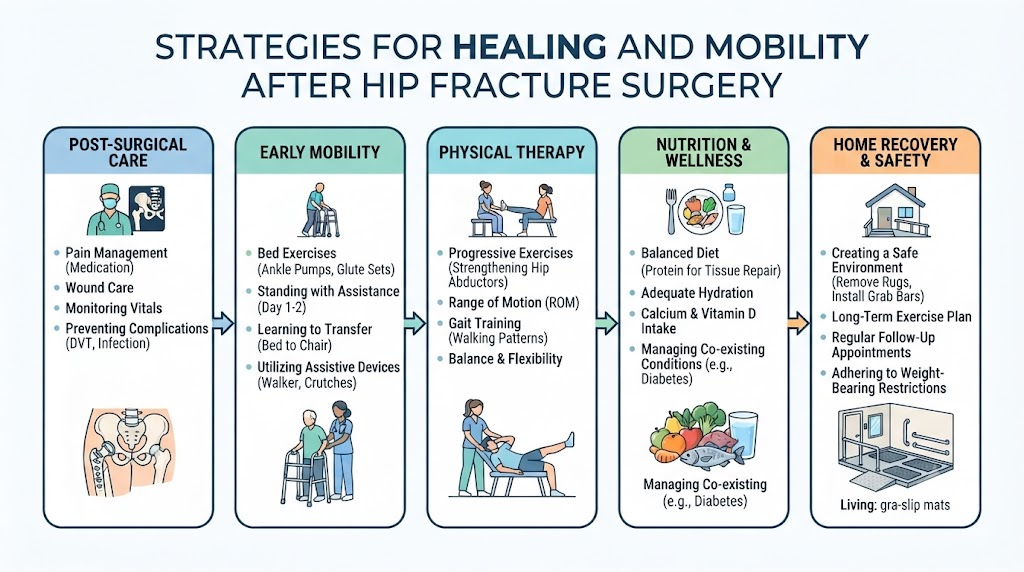
Undergoing surgery for a hip fracture is a significant life event that marks the beginning of a focused recovery journey. While the surgery itself is vital to stabilizing the bone, the path back to independence, mobility, and comfort is paved through dedicated rehabilitation. Understanding the process and knowing what to expect can empower you to take an active role in your own healing.In this guide, we will explore the stages of healing, the importance of physical therapy, and practical tips for navigating your recovery at home. For families and patients seeking reliable information on orthopedic surgery resources, specialist discovery, and evidence-based rehabilitation advice, BestOrthoHospitals provides a comprehensive foundation for your recovery journey.
What Is a Hip Fracture?
A hip fracture is a break in the upper portion of the femur (thigh bone) near the hip joint. These fractures are often the result of falls, particularly in individuals with reduced bone density, and they are typically categorized based on the specific location of the break.
Because the hip is essential for bearing weight and facilitating movement, surgery is almost always recommended to stabilize the bone, manage pain, and allow the patient to return to normal activity as quickly and safely as possible.
Types of Hip Fracture Surgery
Your orthopedic surgeon will determine the best surgical approach based on the type of fracture and your overall health.
Hip Fracture Surgery Comparison Table
| Procedure | Purpose | Typical Candidates |
| Internal Fixation | Stabilize fractured bone | Certain stable fractures |
| Partial Hip Replacement | Replace damaged femoral head | Selected femoral neck fractures |
| Total Hip Replacement | Replace hip joint | Selected patients with joint damage |
| Intramedullary Nail | Stabilize fracture | Many intertrochanteric fractures |
What to Expect Immediately After Surgery
The first few days are focused on stability and pain management. You will be monitored closely in the recovery room, and your medical team will begin a regimen to prevent post-operative complications such as blood clots or respiratory issues.
- Pain Control: Your team will work with you to manage discomfort so that you can participate in early movement.
- Early Movement: In many cases, you will be encouraged to sit up or take a few assisted steps within the first day or two after surgery to stimulate blood flow and improve lung function.
- Physiotherapy: A physical therapist will introduce gentle exercises while you are still in the hospital.
Stages of Recovery After Hip Fracture Surgery
Recovery is a marathon, not a sprint. It is generally divided into several key phases:
First Few Days
Focus is on pain management, preventing blood clots through medication and movement, and initial physical therapy assessments.
First Few Weeks
The goal shifts toward safe mobility. You will practice using assistive devices (like a walker or crutches), learn how to navigate your home environment safely, and begin gentle strengthening exercises.
Long-Term Recovery
This stage focuses on regaining full strength, improving balance, and returning to daily activities. Consistent follow-up care is essential to ensure the bone is healing as expected.
Physical Therapy and Rehabilitation
Physical therapy is the engine of your recovery. A personalized program will focus on:
- Strengthening: Specifically targeting the muscles around your hip and core to support your joint.
- Balance Training: Critical for preventing future falls.
- Range-of-Motion Exercises: Ensuring your hip remains flexible and prevents joint stiffness.
Rehabilitation Progress Table
| Recovery Phase | Primary Goal |
| Early Recovery | Pain control and safe mobility |
| Rehabilitation | Improve strength and flexibility |
| Functional Recovery | Restore independence |
| Long-Term Care | Maintain mobility and prevent future falls |
Nutrition for Bone Healing
Your body requires high-quality “building blocks” to knit the bone back together and repair surrounding tissues.
- Protein: Essential for muscle repair and strength.
- Calcium & Vitamin D: The foundational nutrients for bone density and healing.
- Hydration: Water supports circulation and prevents post-operative complications.
- Fruits & Vegetables: Rich in antioxidants that help manage inflammation.
Tips for Recovering Safely at Home
Returning home is an exciting milestone. To make it safe:
- Modify Your Environment: Remove loose rugs, ensure there is adequate lighting, and install grab bars in the bathroom.
- Use Aids Correctly: Stick to the walker or cane prescribed by your physiotherapist. Do not try to move without them until cleared.
- Follow the Schedule: Consistency with your home exercise program and medication schedule is key to steady progress.
Common Myths vs. Facts
- Myth: Bed rest speeds recovery.
- Fact: Early supervised movement is vital to prevent blood clots and muscle atrophy.
- Myth: Surgery alone completes the recovery.
- Fact: Surgery stabilizes the bone, but rehabilitation is required to regain function.
- Myth: Pain means I should stop all movement.
- Fact: Some discomfort is normal during physical therapy; however, always follow your therapist’s guidance on “good” pain versus “warning” pain.
Common Mistakes to Avoid
- Skipping Physical Therapy: This is the most common reason for delayed mobility.
- Returning to Activities Too Fast: Pushing yourself beyond your current capabilities can lead to setbacks.
- Missing Follow-up Visits: Your surgeon needs to monitor bone union through periodic X-rays.
- Ignoring Home Safety: Falls are the greatest risk during the first few months of recovery.
FAQs
- How long does recovery take?
It varies, but functional independence is often a goal for several months post-surgery. - When can I walk?
Usually within a few days, but with assistance. - Is physical therapy necessary?
It is essential for a safe and successful outcome. - What foods help healing?
High-protein foods and those rich in calcium and Vitamin D. - When can I climb stairs?
Once your therapist confirms your strength and balance are adequate. - Can older adults fully recover?
Yes, many regain their previous level of independence with dedicated rehab. - What exercises are best?
Those prescribed by your PT, focusing on glutes, quads, and balance. - How do I reduce pain?
Follow the medication schedule and use cold packs as directed. - What complications should I watch for?
Redness, swelling, fever, or sudden changes in pain. - How long will I use a walker?
Until your physical therapist determines you can safely walk without one. - Can I sleep on my operated side?
Consult your surgeon for specific positioning advice. - When can I drive?
Only after your surgeon clears you and you are off pain medications. - How do I prevent future falls?
Exercise, balance training, and home modifications. - How do I choose the right hospital?
Look for strong rehabilitation departments and experienced orthopedic surgeons. - When to contact my surgeon?
If you experience sudden pain, fever, or an inability to bear weight.
Final Thoughts
Recovering from hip fracture surgery is a process that rewards patience and persistence. By working closely with your surgical team and physical therapists, you are taking the best possible steps toward reclaiming your mobility and confidence. Remember that every small victory in your rehabilitation program is a step closer to your goals.For more resources on bone health, rehabilitation strategies, and understanding orthopedic procedures, we encourage you to explore the educational content at BestOrthoHospitals.