Introduction
Your spine helps you stand, sit, bend, and move. It also supports your body and protects the spinal cord. The spinal cord carries messages between your brain and the rest of your body.
Your spine works with muscles, joints, discs, and ligaments. These parts help you move and keep your body steady. When they work well together, daily activities can feel easier.
Daily habits can affect your back and neck comfort. Long periods without movement, repeated strain, and poor sleep may affect how your body feels. However, back pain can have many causes. It does not always come from posture or daily habits.
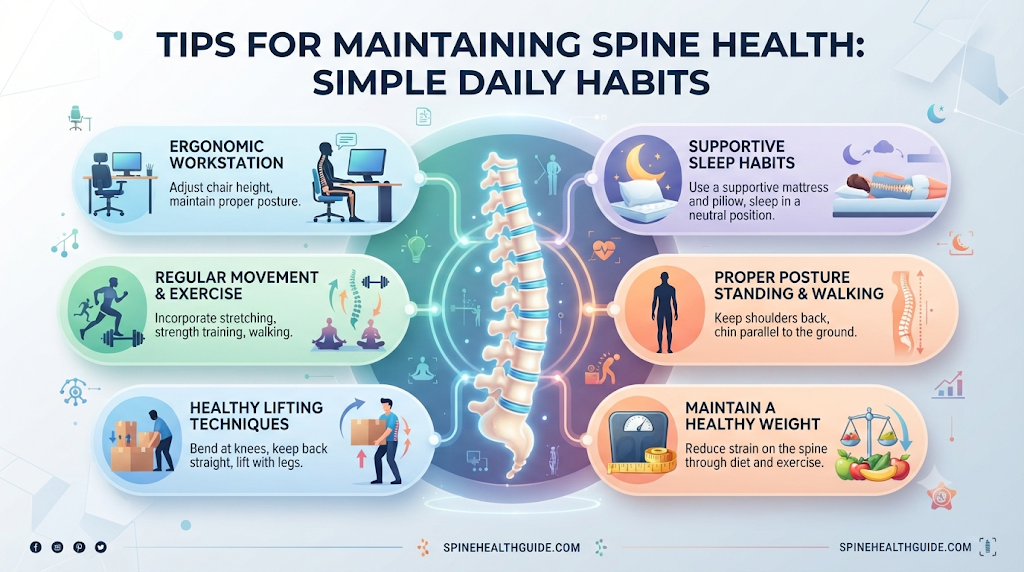
The good news is that small changes can support better spine health. Regular movement, balanced meals, safe lifting, and comfortable work habits all matter. These Tips for Maintaining Spine Health can help you build a routine that supports your back over time.For more orthopedic health information, visit BestOrthoHospitals.
Understand the Importance of Spine Health
The spine is a long column of bones called vertebrae. It runs from the base of your skull to your lower back. It has three main regions: the neck, upper back, and lower back.
The neck region supports your head and allows it to turn. The upper back connects with your ribs. The lower back carries much of your upper body’s weight.
Small soft discs sit between the vertebrae. They help absorb shock during movement. Joints connect the bones and allow the spine to bend and turn.
Ligaments are strong bands that help hold the bones together. Muscles around the spine support movement and stability. The spinal cord passes through a protected space inside the spine.
Healthy spine function involves more than standing straight. It also depends on muscle strength, movement, flexibility, and overall health. Gentle daily activity can help you maintain these abilities.
Age, injuries, medical conditions, and other factors can affect the spine. Healthy habits cannot prevent every spine problem. Still, they can support your movement and general well-being.
Maintain Comfortable and Healthy Posture
Posture describes how you hold your body while sitting, standing, or moving. A relaxed and balanced position can make daily tasks more comfortable. However, no single posture is perfect for everyone.
When sitting, choose a chair that supports your back. Keep your feet on the floor or a footrest. Let your shoulders relax and keep your screen at a comfortable height.
Avoid leaning forward for long periods while reading or using a phone. Raise your phone or book when possible. This can reduce the need to keep your head bent down.
When standing, spread your weight comfortably across both feet. Keep your knees relaxed instead of locking them. Avoid leaning to one side for long periods.
Most importantly, change positions throughout the day. You can sit, stand, stretch, or take a short walk. Movement matters more than holding one rigid position.
Good posture for back health should feel natural. Do not force your shoulders backward or keep your back stiff. Find comfortable positions and change them when needed.
Stay Active with Regular Exercise
Regular movement helps keep your muscles strong and your joints mobile. Strong back and abdominal muscles help support everyday movement. Exercise can also improve balance and general fitness.
Walking is a simple way to stay active. Start with a comfortable distance and increase it slowly. Swimming and cycling may also suit people who prefer low-impact activities.
Core exercises can strengthen the muscles around your stomach, hips, and back. These muscles help control body movement. A physiotherapist can suggest suitable spine strengthening exercises.
Gentle stretching can help maintain flexibility. Move slowly and avoid forcing a stretch. Stop if an activity causes sharp pain, unusual weakness, or worsening symptoms.
People who have been inactive should begin with light activity. Do not suddenly start intense workouts. Gradual progress gives your body time to adjust.
If you have an injury, ongoing pain, or a medical condition, ask a health professional for exercise advice. A suitable plan should match your ability and needs. One exercise routine does not suit everyone.
Follow Safe Lifting and Bending Techniques
Lifting heavy or awkward objects can place extra demands on your body. Sudden twisting while carrying a load may also cause discomfort. Plan the movement before you lift.
Move close to the object first. Keep your feet steady and bend through your hips and knees. Hold the object near your body as you lift.
Use a comfortable movement and avoid twisting while carrying the load. Turn your feet to change direction instead. This can help you move with better control.
Do not lift something that feels too heavy. Ask another person for help with large or awkward items. Use a trolley when one is available.
At home, avoid reaching far while lifting grocery bags or water containers. At work, follow safe handling rules. During gardening, keep tools close and take breaks.
Safe lifting techniques can reduce avoidable strain. However, no technique can prevent every injury. Your strength, the load, and the task all matter.
Choose a Spine-Friendly Work Environment
A comfortable workspace can make long workdays easier. Start by adjusting your chair and desk. Your feet should rest on the floor or a footrest.
Choose a chair with comfortable back support. Adjust its height so your shoulders can relax. Keep your elbows near your body while using the keyboard.
Place your computer screen at a comfortable viewing height. You should not need to lean forward to read it. Keep your mouse close enough to avoid repeated reaching.
If you use a laptop, consider a separate keyboard and mouse. A laptop stand or stable support can raise the screen. This may help you avoid looking down for long periods.
Take short movement breaks during long work sessions. Stand, walk, stretch gently, or change your sitting position. A standing desk can make position changes easier, but it does not replace movement.
For a home office, choose a quiet and comfortable work area. Use a suitable chair instead of working from a soft bed for long periods. Keep frequently used items within easy reach.
Do not worry about holding one fixed position all day. Comfort and regular movement are more useful than rigid posture rules.
Eat a Balanced Diet for Bone and Muscle Health
Good nutrition supports bones, muscles, and general health. Your body needs several nutrients to maintain strong bones and healthy muscles. A balanced diet can help provide them.
Calcium supports bone strength. Milk, curd, cheese, and some leafy green vegetables provide calcium. Some foods and drinks also contain added calcium.
Vitamin D helps your body absorb calcium. Eggs, oily fish, and fortified foods can provide some vitamin D. Sunlight also helps the body make vitamin D, but safe exposure varies.
Protein helps build and repair muscles. Good sources include lentils, beans, eggs, fish, milk, curd, and lean meat. Include suitable protein foods in your regular meals.
Fruits and vegetables provide vitamins, minerals, and fibre. Whole grains can add fibre and other nutrients. Try to include different food groups across the day.
No single food can cure a spine condition. Food choices support overall health rather than replace medical care. If you have dietary needs, ask a qualified health professional for guidance.
Maintain a Healthy Body Weight
Body weight can affect how comfortable some movements feel. Extra weight may increase the demands placed on the lower back. However, back pain can affect people at every body size.
Focus on habits that support your overall health. Choose balanced meals and stay active in ways you enjoy. Small changes are often easier to maintain than strict plans.
Avoid crash diets or extreme exercise routines. They may be difficult to follow and can affect your health. A gradual approach is more realistic.
If weight management is a concern, a doctor or dietitian can offer support. They can help you set goals that suit your health and daily life. Your worth is not defined by your body size.
Develop Healthy Sleeping Habits
Sleep supports general health and helps your body recover from daily activity. Poor sleep may also make pain feel harder to manage. A comfortable sleep routine can support your well-being.
Choose a mattress that feels comfortable and provides suitable support. There is no single mattress type that works best for everyone. Your comfort and needs should guide your choice.
Some people feel comfortable sleeping on their side. A pillow between the knees may help them settle. Others prefer sleeping on their back with a pillow under the knees.
Your pillow should support your head without forcing your neck into an uncomfortable angle. Adjust its height to suit your sleeping position. Change it if you often wake with neck discomfort.
There is no single sleeping position that suits everyone. Try a position that feels comfortable and allows restful sleep. If pain repeatedly wakes you, seek medical advice.
Avoid Habits That May Harm Spine Health
Staying in one position for too long can make your body feel stiff. Take regular movement breaks when possible. Even a short walk around the room can help you change position.
Smoking can harm general health and may affect the discs between spinal bones. Avoiding tobacco supports your overall health. If you smoke, ask a health professional about ways to quit.
Avoid lifting loads beyond your ability. Do not rush into intense exercise after a long inactive period. Warm up and increase activity gradually.
Use suitable protective equipment during sports. Follow coaching and safety instructions. Stop an activity if you experience unusual pain or weakness.
Do not ignore pain that keeps returning or gets worse. Also, avoid unverified treatments and self-medication. Ask a qualified professional before trying a treatment for a spine problem.
Recognize Common Spine Problems and Warning Signs
Several conditions can affect the spine. A muscle strain happens when muscles or nearby tissues become overstretched. It may cause pain, tightness, or difficulty moving comfortably.
A herniated disc occurs when the soft inner material of a disc pushes through its outer layer. It may irritate nearby nerves. Some people feel pain, tingling, or numbness in an arm or leg.
Spinal stenosis means the spaces around the spinal nerves become narrower. This may put pressure on nerves. Some people notice pain, numbness, or weakness while standing or walking.
Age-related changes can affect discs, joints, and bones. These changes do not always cause pain. A scan finding alone does not explain every symptom.
Common symptoms include neck pain, back pain, stiffness, and pain spreading into the arms or legs. Tingling, numbness, or weakness may also occur. Recurring, worsening, or severe symptoms need medical assessment.
Seek emergency medical care if you develop new trouble controlling your bladder or bowel movements. Numbness around the groin, genitals, or inner thighs is also an urgent warning sign. New or significant leg weakness needs urgent assessment, especially when it is getting worse.
These symptoms can signal serious pressure on spinal nerves. Do not wait for a routine appointment if they appear. Seek immediate medical attention.
An orthopedic or spine specialist may ask about your symptoms and medical history. They may check movement, strength, reflexes, and sensation. Imaging tests are used when the clinical assessment shows they may be needed.
The right care depends on the cause of your symptoms. Do not assume every episode of back pain needs a scan or surgery. A professional can explain suitable next steps.
Mandatory Table 1: Daily Habits That Support Spine Health
| Daily Habit | What to Do | How It Supports Spine Health |
|---|---|---|
| Comfortable posture | Use relaxed sitting and standing positions | Helps make daily movement more comfortable |
| Exercise | Walk and do suitable strength or mobility activities | Supports muscles, flexibility, and balance |
| Movement breaks | Change position and walk during long work sessions | Reduces time spent in one position |
| Safe lifting | Keep loads close and avoid sudden twisting | Helps reduce avoidable strain |
| Balanced nutrition | Eat foods with calcium, vitamin D, and protein | Supports bone and muscle health |
| Healthy sleep | Use a comfortable pillow and mattress | Supports rest and general recovery |
Mandatory Table 2: Common Spine-Straining Habits and Better Alternatives
| Common Habit | Possible Concern | Better Alternative |
|---|---|---|
| Prolonged sitting | May lead to stiffness or discomfort | Change positions and take movement breaks |
| Slouching for long periods | May feel uncomfortable over time | Use relaxed positions and adjust as needed |
| Unsafe lifting | May increase the chance of strain | Plan the lift and keep the load close |
| Sudden intense exercise | May cause soreness or injury | Start gently and build up gradually |
| Poor desk setup | May encourage reaching or leaning | Adjust chair, screen, and keyboard |
| Smoking | Can harm general and spinal health | Seek support to stop using tobacco |
Frequently Asked Questions
1. Why is maintaining spine health important?
Your spine supports your body and protects the spinal cord. It helps you stand, bend, turn, and move. Healthy muscles, joints, and bones support these actions. Looking after your spine can help maintain comfort and movement. It cannot prevent every condition, but healthy habits support general well-being.
2. What are the best daily habits for a healthy spine?
Stay active, change positions often, and use comfortable posture. Eat balanced meals and get enough sleep. Use care when lifting heavy objects. Avoid smoking and increase exercise gradually. These habits support general health and movement. Choose routines that suit your age, ability, and medical needs.
3. Can regular exercise improve spine health?
Regular exercise helps strengthen the muscles that support your body. Walking, swimming, and suitable cycling can improve general fitness. Gentle stretching may help maintain movement. Start slowly if you have been inactive. If you have pain or an injury, ask a health professional which activities are suitable.
4. Which foods support healthy bones and muscles?
Foods containing calcium support bone health. Examples include milk, curd, and some leafy green vegetables. Vitamin D helps the body absorb calcium. Protein foods such as lentils, beans, eggs, and fish support muscles. Eat a variety of fruits, vegetables, and whole grains for a balanced diet.
5. How should I sit to support my spine?
Choose a chair that feels comfortable and supports your back. Keep your feet on the floor or a footrest. Let your shoulders relax and place your screen at a comfortable height. Change positions regularly. You do not need to hold one stiff posture throughout the day.
6. Does prolonged sitting affect back health?
Long periods in one position may cause stiffness or discomfort for some people. Sitting itself is not automatically harmful. Try changing positions, standing, or walking during the day. Short movement breaks can make long work sessions more comfortable. Adjust your chair and desk to suit your body.
7. What is the safest way to lift heavy objects?
Move close to the object before lifting. Keep your feet steady and bend through your hips and knees. Hold the load close to your body. Avoid twisting while carrying it. Do not lift objects that feel too heavy or awkward. Ask for help or use suitable equipment.
8. Which sleeping position is comfortable for spine health?
Comfort depends on the person. Some people prefer sleeping on their side with a pillow between their knees. Others feel better on their back with a pillow under their knees. Choose a position that feels comfortable and supports restful sleep. Seek advice if pain repeatedly disturbs your sleep.
9. Can poor posture cause back and neck discomfort?
Holding one position for a long time may contribute to discomfort. However, posture is only one possible factor in back or neck pain. Injuries, health conditions, activity levels, and other factors can also play a role. Change positions often and seek advice if symptoms persist or worsen.
10. When should I consult an orthopedic or spine specialist?
Seek an assessment if pain keeps returning, worsens, or affects daily activities. Also get advice for ongoing numbness, tingling, or pain spreading into an arm or leg. New bladder or bowel control problems, groin numbness, or significant leg weakness need immediate medical care.
Final Thoughts
Maintaining spine health starts with small, steady habits. Move regularly, choose comfortable postures, and lift with care. Eat balanced meals and make time for restful sleep.
You do not need to change everything at once. Start with one or two habits that fit your daily routine. Build on them as they become easier.
Remember that healthy habits cannot prevent every spine condition. Persistent, worsening, or severe symptoms deserve professional attention. Seek urgent care for serious nerve-related warning signs.
For more orthopedic health information, explore BestOrthoHospitals.com. Consistent daily choices can help you support movement, comfort, and long-term spine health.